





Ultimate Otterhound Guide: Traits, Care, Training & Health Tips
A rough waterproof coat, big webbed feet, and a nose that works in moving water — meet Britain’s shaggy swimming hound, one of the rarest dog breeds in the world.

1. Introduction to the Breed
Some dogs were bred for the show ring. The Otterhound was bred for cold rivers. With a rough, shaggy double coat, big webbed feet, and a powerful frame built for long days of swimming, this rugged British hound spent centuries pursuing otters through the streams of England and Wales — and today it stands as one of the rarest breeds recognized by the American Kennel Club, which describes it as friendly, independent, and vocal.
We’ll be honest with you the way we’d want a friend to be honest with us: the Otterhound is not a quiet, low-maintenance house pet. It is big, boisterous, and famously independent, with a coat that demands real grooming commitment, an engine that needs serious daily exercise, and a booming bay that carries across the neighborhood. Behind the shaggy face, though, is a dog of remarkable endurance and a gentle nature — playful, clownish, and deeply affectionate with its people.
For the right family — experienced owners with secure fencing, time for intense exercise, and ideally some water to splash in — the Otterhound gives back loyalty, humor, and devotion in one big shaggy package.
2. History of the Breed
The Otterhound’s story begins centuries ago in England and Wales, where otters were considered pests that raided fish populations. Hunters needed a dog that could follow a scent trail over land and through moving water, and they built one: crosses of Bloodhounds, Griffons, and other hounds produced a swimmer with an exceptional nose, webbed feet, and a harsh coat that shrugged off cold rivers. Otterhounds worked in packs or alongside hunters, trailing scent over long distances with minimal direction — work that demanded stamina and independent judgment.
When otter hunting was banned in the UK, the breed’s job disappeared, and its numbers collapsed. Dedicated enthusiasts preserved the Otterhound as a companion and show dog while keeping its working traits intact, and it remains one of the rarest AKC breeds today. That heritage of independent, all-day work explains the modern dog: endurance-oriented, vocal, sometimes stubborn, and happiest with purpose.
“An Otterhound is not just a shaggy dog. It is a powerful water hound wrapped in endurance and independence.”
3. Physical Characteristics
Otterhounds are large, powerful dogs with a balanced, rectangular build that should look rugged and capable. Males typically stand 24–26 inches and weigh 75–115 pounds; females run about 22–24 inches and 65–90 pounds.
Height & Weight
22–26 inches; 65–115 pounds of muscle built for endurance.
Coat
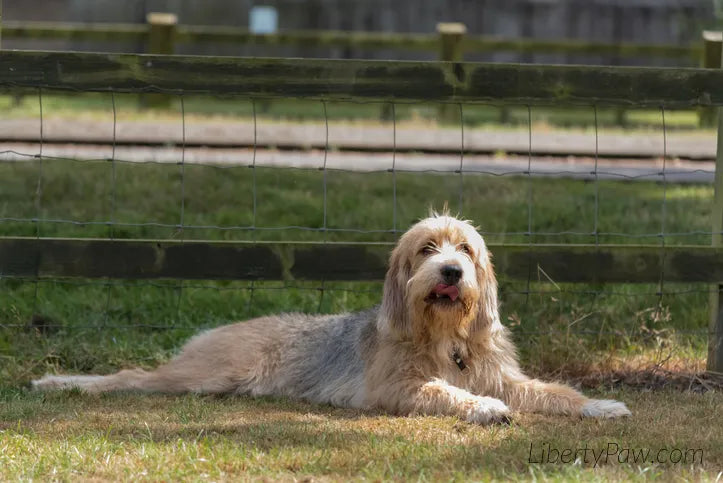
Rough, shaggy double coat — dense undercoat, harsh water-resistant outer layer.
Signature Traits
Webbed feet, long ears, deep chest, and a famous baying voice.
Lifespan
Typically 10–13 years with good care and a lean body condition.
The coat is the breed’s calling card: rough, shaggy, and double-layered, in grizzle, sandy, blue, or black and tan. Underneath is a deep chest, strong neck, and powerful hindquarters, with a long tail carried in a curve and an expressive, gentle hound face framed by long ears. Because all that fur can hide weight changes, check body condition with your hands regularly — a healthy Otterhound should feel strong and lean, since extra pounds stress joints and sap endurance.
4. Personality Traits
Otterhounds are independent, friendly, intelligent, and unmistakably vocal. They bond with their people and can be affectionate, clownish, and entertaining — leaning in for pets one minute, supervising your yard work the next. But generations of solo work on the water left a strong independent streak: an Otterhound learns quickly, then decides whether a command feels worth doing.
- Gentle with family — affectionate and playful, often good with trained, supervised children
- Independent thinker — patient, engaging training beats drills
- Vocal — expect baying, especially on scent; teach a quiet cue early
- Dog-friendly — usually good with other dogs, but may chase small pets
- Endurance athlete — bred for long days, not short strolls
This is not a breed for people who want a quiet, low-energy, or highly obedient dog. An Otterhound shines when its stamina and independence are understood and its need for activity is met.
5. Care Requirements
Exercise
Most healthy adults need 60–120+ minutes of daily activity, and this breed excels where nose and water meet: swimming, scent work and tracking, long walks and hikes, and fetch or tug games in secure areas. Cold-water swimming comes naturally; in warm weather, provide shade and water and go easy at midday. A secure space is non-negotiable — that hunting drive is real, and a motivated Otterhound can dig or jump when a scent calls.
Grooming
Grooming commitment is high. The shaggy double coat needs brushing several times a week to stay ahead of mats and tangles, plus regular checks for debris after outdoor adventures. Those long, heavy ears trap moisture and need routine attention, and nails, teeth, and paws round out the weekly checklist.
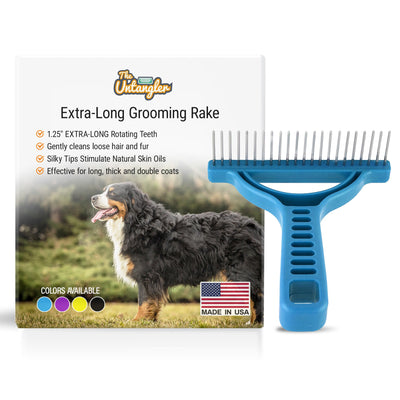
Grooming Pick
Extra-Long Tooth Groom Rake: 1.25" Teeth
A rough double coat this deep needs teeth that reach the undercoat. This made-in-USA rake’s 1.25-inch stainless steel rotating teeth glide through dense, shaggy fur and work out tangles without pulling — ideal for the Otterhound’s weatherproof jacket. Browse more American-made undercoat rakes for every coat type.
Shop the Extra-Long Tooth RakeDiet
Feed a balanced, high-quality diet formulated for large, active dogs — growth support for puppies, protein and calories for hardworking adults, and joint support for seniors. Keep portions honest and your dog lean, and make sure fresh water is always available.
6. Health and Lifespan
Otterhounds commonly live 10–13 years and are generally sturdy, but large hounds carry known risks worth understanding: hip and elbow dysplasia, eye disorders, hypothyroidism, skin issues and allergies, cardiac concerns, ear infections from those long ears, and bloat risk from the deep chest. Responsible breeders screen hips, elbows, eyes, heart, and thyroid — the Otterhound Club and AKC recommend health clearances, so ask for records. Day to day, weight management, joint support, routine ear care, and bloat awareness go a long way. Call your veterinarian about limping, vision changes, ear trouble, or digestive problems.
7. Training and Socialization
Start early, keep it positive, and keep sessions short and varied — harsh methods backfire with this breed. A reliable recall is the single most important skill, because hunting drive can override a half-trained “come.” Add loose-leash walking, a quiet cue, crate comfort, calm greetings, and plenty of impulse-control work. Socialize generously in puppyhood: people, dogs, sounds, surfaces, grooming, and handling all build the confident, manageable adult. Training should continue for life — an Otterhound with a job is a joy, while an under-exercised, untrained one can become vocal, destructive, or difficult.
8. Ideal Home Environment
- Experienced owners who understand hound independence
- Intense daily exercise and mental stimulation — ideally with water access
- Tall, secure fencing (Otterhounds can dig or jump when motivated)
- Grooming commitment and patience with baying
- Active or rural homes — apartment living is very challenging
- Supervision around small children and small pets due to size and drive
Otterhounds often do well with families and other dogs when trained, and after a long swim or hike they need a comfortable, supportive place to recover — joint support matters for a dog this size.
9. Best Beds and Toys for Otterhounds
A big endurance athlete needs real joint support at rest and tough, engaging toys that stand up to a powerful, playful hound.
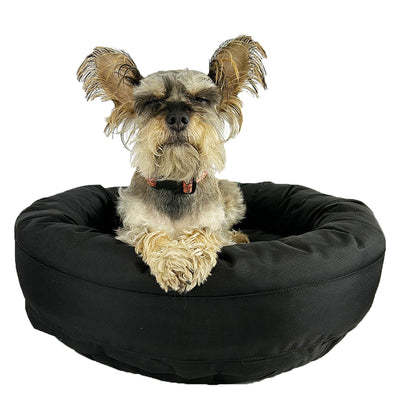
Bed Pick
Dog Bed Round Bolster Armor™
An orthopedic-grade round bolster with a tough, chew-resistant build — supportive cushioning for big hips and elbows after a day of swimming and scent work, plus a bolstered rim for that satisfying curl-up. See all American-made dog beds and pads.
Shop the Armor Round Bolster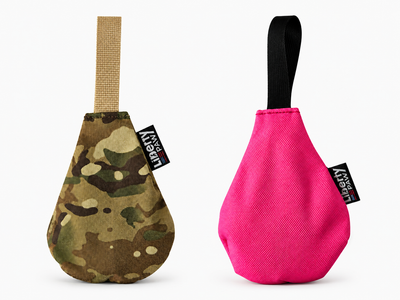
Toy Pick
Water Drop Tug for Dogs
A water-drop-shaped tug for Britain’s swimming hound feels almost too fitting. Durable and USA-made, it turns that tugging power into interactive play with built-in “take it” and “drop it” training. Explore more American-made dog toys.
Shop the Water Drop TugAlways supervise playtime and inspect toys regularly — toy longevity depends on your dog’s chewing style, and toys for a hound this strong should be rated for large, powerful dogs.
10. Adoption and Breeder Tips
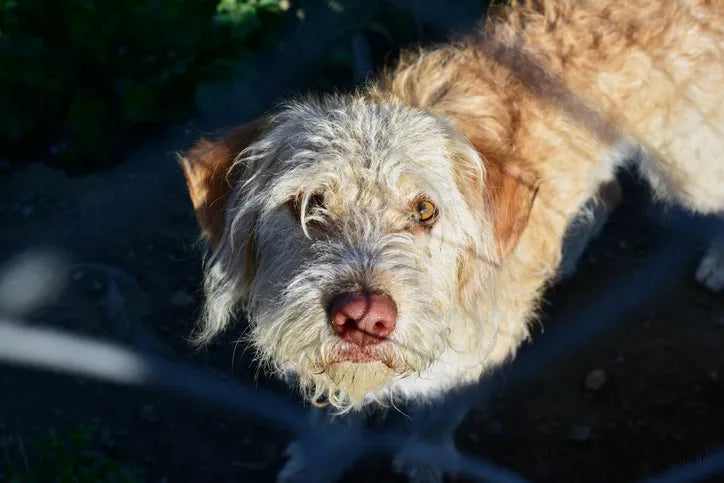
Choosing an Otterhound calls for experience with large, independent, vocal hounds — and honest preparation for intense exercise, grooming, secure fencing, and drive management. A responsible breeder health tests hips, elbows, eyes, heart, and thyroid, socializes puppies, welcomes your questions about parent temperament and guarantees, and lets you meet the mother. Be cautious of anyone with constant puppy availability or no health focus. For adults, Otterhound and hound-breed rescues occasionally place wonderful dogs — ask about vocal habits, containment history, and experience with children and other pets. In the right home, an Otterhound repays the effort with loyalty, endurance, gentleness, and a shaggy charm all its own.
11. Frequently Asked Questions
Are Otterhounds good family dogs?
Yes, for active, experienced families. They are gentle and playful with their people and often do well with children when trained and supervised — but their size and energy require care around little ones.
Do Otterhounds like to swim?
Most love it. Webbed feet, a water-resistant coat, and centuries of river work make swimming one of the best outlets for this breed — cold water included.
How much grooming does an Otterhound need?
A lot. The shaggy double coat needs brushing several times a week with a long-tooth rake and comb to prevent mats, plus regular ear checks — those long ears are prone to infection.
Why are Otterhounds so rare?
When the UK banned otter hunting, the breed lost its job and its numbers collapsed. Dedicated enthusiasts preserved it, but it remains one of the rarest AKC breeds today.
Ready to Welcome a One-of-a-Kind Companion?
At LibertyPaw, every product we carry is proudly made in the USA and tested on our own dogs. Whether your rare-breed athlete needs a supportive bed, an engaging tug toy, or the right grooming tools for that double coat — we’ve got you covered.
Free shipping on qualifying orders • 30-day happiness guarantee • 2% of every sale goes out through our 2% for America promise, supporting K9s For Warriors.
Email us anytime at shop@libertypaw.com — we’re real pet parents here to help!
Toy Safety Disclaimer
Always supervise your dog during playtime and choose toys appropriate for your dog’s size, age, strength, chewing habits, and style of play. Inspect toys regularly for wear, loose parts, tears, cracks, or other damage, and discontinue use if a toy becomes damaged or presents a potential choking, ingestion, or injury hazard.
No dog toy should be considered indestructible. The safety and longevity of any toy depend on the individual dog’s chewing strength, behavior, manner of play, and continued supervision.
Dog Bed & Comfort Product Disclaimer
Choose a bed or comfort product appropriate for your dog’s size, weight, mobility, behavior, and individual needs. Inspect beds and related products regularly for damage, exposed filling, loose components, deterioration, or other conditions that could create a safety hazard.
Dog beds, including products described as orthopedic or supportive, are intended to provide comfort and support. They should not be considered medical devices and are not substitutes for veterinary diagnosis, treatment, rehabilitation, or professional medical advice.
If your dog experiences persistent pain, difficulty standing, mobility problems, changes in sleeping behavior, or other health concerns, consult a licensed veterinarian.
Grooming Product Disclaimer
Use grooming tools and products only as directed and select products appropriate for your dog’s coat type, skin condition, size, age, and individual sensitivities.
Use grooming tools carefully and avoid excessive pressure, pulling, repeated brushing over irritated areas, or use on broken or inflamed skin. Stop using a grooming product or tool if your dog experiences irritation, discomfort, redness, swelling, unusual sensitivity, or another adverse reaction.
Seek guidance from a veterinarian or qualified professional groomer when dealing with severe matting, persistent skin problems, wounds, unusual coat loss, or other conditions that may require professional attention.
Disclaimer
This blog is intended for general informational and educational purposes only and does not replace professional veterinary advice, diagnosis, treatment, or individualized guidance. Every dog is unique, and individual needs may vary based on age, breed, size, health status, activity level, behavior, environment, and individual sensitivities.
Information regarding pet care, nutrition, training, grooming, supplements, toys, beds, accessories, or other pet products should not be interpreted as a guarantee of safety, suitability, performance, durability, or specific health outcomes for every dog. Product selection, use, and results may vary by individual animal.
Always follow applicable product directions, warnings, care instructions, and recommended usage guidelines. Consult a licensed veterinarian or qualified canine professional before making significant changes to your dog’s diet, supplementation, exercise routine, grooming regimen, health care, or other practices that may affect your dog’s health or wellbeing.


0 comments