






Ultimate Mudi Guide: Traits, Care, Training & Health Tips
A curly coat, a lightning-fast mind, and a motor that never quits — meet Hungary’s do-everything farm dog, one of the rarest herding breeds in the world.


1. Introduction to the Breed
Some rare breeds are famous for how they look. The Mudi (pronounced “MOO-dee”) earned its reputation for what it can do. On the farms of rural Hungary, this medium-sized dynamo herded cattle and sheep, guarded the property, cleared out vermin, and still had energy left to clown around with the family at night. Behind the distinctive curly-to-wavy coat is one of the most versatile working dogs on Earth — brilliant, agile, devoted, and famously vocal.
We’ll be honest with you the way we’d want a friend to be honest with us: the Mudi is not a low-maintenance companion, and it is definitely not a couch potato. This breed wants a job, and if you don’t assign one, it will promote itself to a position you didn’t post — usually head of barking, digging, or squirrel patrol. According to the American Kennel Club, the Mudi is intelligent, active, and loyal, and it remains rare even in its Hungarian homeland.
For active families, dog-sport enthusiasts, and anyone who loves training a quick-thinking partner, the Mudi gives back loyalty, humor, and off-the-charts capability.
2. History of the Breed
The Mudi developed in Hungary as the all-purpose farmhand of the dog world, shaped by crosses among native herding dogs like the Puli and Pumi. Farmers didn’t need a specialist — they needed one dog that could move stubborn cattle in the morning, pen sheep in the afternoon, sound the alarm at strangers, and keep the barn free of rats. The Mudi did it all, working close to its handler and making smart decisions on the fly.
Like so many European breeds, the Mudi was nearly lost after World War II. A handful of dedicated Hungarian enthusiasts rebuilt the population, and the breed slowly gained recognition at home and abroad. Even today, Mudis remain scarce outside Hungary — spotting one at your local park is a genuine event. That working history explains the modern dog perfectly: a quick learner with real drive, a strong desire to partner with its people, and an opinion about everything.
“A Mudi is not just a curly-coated herder. It is a whole farm crew in one medium-sized, endlessly clever package.”
3. Physical Characteristics
Mudis are medium-sized, athletic dogs with a balanced, slightly rectangular build — everything about them says quick and capable. Males stand about 16–18 inches and weigh 24–33 pounds; females run about 15–17 inches and 18–29 pounds.
Height & Weight
15–18 inches; 18–33 pounds of lean, agile herding muscle.
Coat
Curly to wavy and dense — black, brown, gray, white, or striking merle.
Signature Traits
Erect ears, alert expression, and that unmistakable tousled coat.
Lifespan
Typically 12–14 years with good care and a lean body condition.
The coat is the breed’s calling card: weather-resistant curls and waves over a muscular frame built for sharp turns and long days. The head is wedge-shaped with dark, intelligent eyes and upright ears that catch every sound — and there are a lot of sounds a Mudi feels obligated to comment on. Because these are active working dogs, body condition matters; the curls can hide weight changes, so run your hands over your dog regularly. You should feel ribs and a defined waist under all that texture.
4. Personality Traits
Living with a Mudi means living with a dog that notices everything, learns instantly, and wants in on every family activity. They bond hard to their people, often shadowing a favorite person from room to room, and they bring a playful, almost clownish sense of humor to daily life — right up until there’s work to do, when they flip a switch and get all business.
- Brilliant and trainable — learns new skills in a handful of repetitions
- High-energy — bred for full days of farm work, not full days on the sofa
- Vocal — barking is part of the job description; teach a “quiet” cue early
- Loyal and people-oriented — wants to be on the team, not in the yard alone
- Herdy — may try to organize kids, cats, and other dogs without being asked
Mudis generally do well with respectful children and other dogs when socialized, though their energy and herding instincts need supervision around little ones. This is not the breed for someone who wants a quiet, independent pet — it’s the breed for someone who wants a partner.
5. Care Requirements
Exercise
Plan on 60–90+ minutes of real activity every day, and remember that for a Mudi, mental work counts double. Herding trials, agility, obedience, flyball, scent games, long hikes, and structured fetch-and-tug sessions all shine. A bored Mudi becomes a loud, creative, destructive Mudi — the energy will go somewhere, so choose the destination yourself.
Grooming
The curly-to-wavy coat is surprisingly practical but not maintenance-free. Brush several times a week to keep curls from tangling into mats, paying special attention behind the ears, under the legs, and around the collar area. Round out the routine with regular nail trims, ear checks, dental care, and paw inspections after hard play.

Grooming Pick
Mini Rake with V-Shape — Double Row 1" Teeth
Made in the USA, this compact rake’s rotating double-row teeth glide through the Mudi’s curly, wavy Hungarian herding coat, easing out tangles before they become mats — without pulling on sensitive skin. Browse more American-made undercoat rakes for every coat type.
Shop the Mini V-Shape RakeDiet
Feed a balanced, high-quality diet formulated for active medium-sized dogs, and portion for the work your dog actually does. Hard-working Mudis need protein and calories to match their output; weekend athletes need honest portions so the curls don’t hide creeping weight. Seniors benefit from joint support, and fresh water should always be available.
6. Health and Lifespan
Mudis are a generally hardy breed and commonly live 12–14 years. Like most herding breeds, though, there are concerns worth knowing: hip dysplasia, eye disorders, hypothyroidism, skin issues and allergies, cardiac concerns, and epilepsy in some lines. Responsible breeders screen hips, eyes, heart, and thyroid — ask to see the records. Between annual exams, keep your Mudi lean, support those hard-working joints, and watch for limping, vision changes, recurring skin trouble, or any dip in that trademark energy.
7. Training and Socialization
Training a Mudi is the fun part — this breed learns so fast that your biggest challenge is staying ahead of it. Start early with positive reinforcement and keep sessions short, upbeat, and varied; Mudis are sensitive to harsh corrections and will shut down or push back if training turns into a grind. Priority skills include a rock-solid recall, loose-leash walking, impulse control, a “place” command for settling, and that all-important “quiet” cue.
Socialize generously in puppyhood: people of all kinds, calm dogs, novel surfaces, sounds, grooming, and handling. Early exposure builds confidence and teaches a young herder what is — and is not — livestock. Keep training going for life; a Mudi with a job is a joy, and a Mudi without one will invent something you won’t approve of.
8. Ideal Home Environment
- Active owners with time for daily exercise, training, and real engagement
- A securely fenced yard for play, training games, and zoomies
- Interest in dog sports, herding, hiking, or other shared jobs
- Patience with an expressive, vocal dog who narrates the neighborhood
- Families with respectful kids and well-matched canine housemates
Mudis can adapt to different living situations when their needs are met, but they genuinely thrive in homes that feel active and purposeful. After a full day of doing everything, this breed also needs a comfortable spot to recharge — those herding joints earn their rest.
9. Best Beds and Toys for Mudis
A dog with this much drive needs two things at home: play that gives the energy somewhere productive to go, and a bed worth curling up in when the workday ends.
Bed Pick
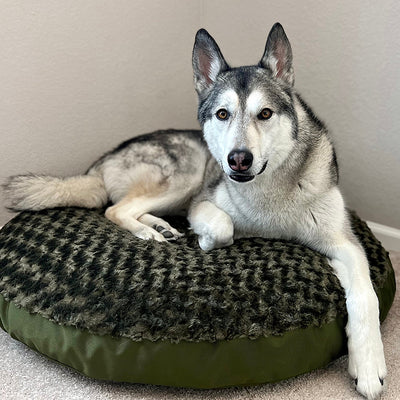
Dog Bed Round Base Furvana™
Cloud-soft comfort in the round shape herders love for the classic post-work curl-up. Made in the USA with a washable design, it gives a hard-charging Mudi a cozy landing spot to recover between adventures. See all American-made dog beds and pads.
Shop the Furvana Round Bed
Toy Pick
Fire Hose Tugs (Stars)
Fetch-and-tug is tailor-made for a herding brain — build in “take it” and “drop it” rules and every game becomes training in disguise. Crafted from tough fire-hose material in the USA, it stands up to a Mudi’s enthusiasm session after session. Explore more American-made dog toys.
Shop the Fire Hose TugAlways supervise playtime and inspect toys regularly — toy longevity depends on your dog’s chewing style.
10. Adoption and Breeder Tips

Because the Mudi is rare even in Hungary, expect a search — and treat the wait as a feature, not a bug. A responsible breeder will show health clearances for hips, eyes, heart, and thyroid, socialize puppies from day one, and talk frankly about working drive, energy, and vocal habits. Ask about the parents’ temperaments, meet the mother if you can, and be cautious of anyone who always has puppies available or dodges health questions. Mudi and herding-breed rescues occasionally place wonderful adults; ask about exercise needs, barking, and how the dog handles alone time. Above all, be honest about your lifestyle — this breed needs daily exercise, mental work, grooming, and a family that wants it in the middle of everything.
11. Frequently Asked Questions
Are Mudis good family dogs?
Yes, for active families who can meet their exercise and training needs. Mudis are loyal and playful with their people, though their energy and herding instincts call for supervision around small children.
Do Mudis bark a lot?
They can. Barking was part of the Mudi’s farm job — alerting, herding, and communicating. Early training of a “quiet” cue and plenty of exercise keep the commentary manageable.
How much grooming does a Mudi’s coat need?
Moderate. Brushing several times a week with a rake or comb prevents mats in the curly-to-wavy coat, with extra passes during seasonal shedding. Regular nail, ear, and dental care rounds it out.
Why are Mudis so rare?
The breed was nearly lost after World War II and was rebuilt from a small population by Hungarian enthusiasts. Numbers remain low worldwide, so responsible breeders often have waiting lists.
Ready to Welcome a One-of-a-Kind Companion?
At LibertyPaw, every product we carry is proudly made in the USA and tested on our own dogs. Whether your rare-breed athlete needs a cozy bed, a tough tug toy, or the right grooming tools for that curly coat — we’ve got you covered.
Free shipping on qualifying orders • 30-day happiness guarantee • 2% of every sale goes out through our 2% for America promise, supporting K9s For Warriors.
Email us anytime at shop@libertypaw.com — we’re real pet parents here to help!
Toy Safety Disclaimer
Always supervise your dog during playtime and choose toys appropriate for your dog’s size, age, strength, chewing habits, and style of play. Inspect toys regularly for wear, loose parts, tears, cracks, or other damage, and discontinue use if a toy becomes damaged or presents a potential choking, ingestion, or injury hazard.
No dog toy should be considered indestructible. The safety and longevity of any toy depend on the individual dog’s chewing strength, behavior, manner of play, and continued supervision.
Dog Bed & Comfort Product Disclaimer
Choose a bed or comfort product appropriate for your dog’s size, weight, mobility, behavior, and individual needs. Inspect beds and related products regularly for damage, exposed filling, loose components, deterioration, or other conditions that could create a safety hazard.
Dog beds, including products described as orthopedic or supportive, are intended to provide comfort and support. They should not be considered medical devices and are not substitutes for veterinary diagnosis, treatment, rehabilitation, or professional medical advice.
If your dog experiences persistent pain, difficulty standing, mobility problems, changes in sleeping behavior, or other health concerns, consult a licensed veterinarian.
Grooming Product Disclaimer
Use grooming tools and products only as directed and select products appropriate for your dog’s coat type, skin condition, size, age, and individual sensitivities.
Use grooming tools carefully and avoid excessive pressure, pulling, repeated brushing over irritated areas, or use on broken or inflamed skin. Stop using a grooming product or tool if your dog experiences irritation, discomfort, redness, swelling, unusual sensitivity, or another adverse reaction.
Seek guidance from a veterinarian or qualified professional groomer when dealing with severe matting, persistent skin problems, wounds, unusual coat loss, or other conditions that may require professional attention.
Disclaimer
This blog is intended for general informational and educational purposes only and does not replace professional veterinary advice, diagnosis, treatment, or individualized guidance. Every dog is unique, and individual needs may vary based on age, breed, size, health status, activity level, behavior, environment, and individual sensitivities.
Information regarding pet care, nutrition, training, grooming, supplements, toys, beds, accessories, or other pet products should not be interpreted as a guarantee of safety, suitability, performance, durability, or specific health outcomes for every dog. Product selection, use, and results may vary by individual animal.
Always follow applicable product directions, warnings, care instructions, and recommended usage guidelines. Consult a licensed veterinarian or qualified canine professional before making significant changes to your dog’s diet, supplementation, exercise routine, grooming regimen, health care, or other practices that may affect your dog’s health or wellbeing.


0 comments