





Ultimate Skye Terrier Guide: Traits, Care, Training & Health Tips
Long, low, and draped in a floor-length coat — meet Scotland’s dignified Isle of Skye hunter, one of the rarest terriers in the world.


1. Introduction to the Breed
At first glance, the Skye Terrier looks like a dog built for a shampoo commercial — long, low, and draped in a flowing double coat that nearly sweeps the floor. Look closer and you’ll find something far tougher: a serious working terrier bred to face foxes and badgers in the rocky terrain of Scotland’s Isle of Skye. That gorgeous coat wasn’t for show. It shielded a determined hunter from weather and brambles.
We’ll be honest with you the way we’d want a friend to be honest with us: the Skye Terrier is not a lap dog and not a low-maintenance companion. This breed is independent, spirited, and often has a mind of its own. Skyes form deep bonds with their people — many are famously one-person or one-family dogs — yet stay reserved and dignified with strangers. According to the American Kennel Club, the Skye Terrier remains one of the rarest terrier breeds, with dedicated preservation efforts keeping it going.
For experienced owners who appreciate true terrier spirit, commit to the grooming, and respect the dog’s independence, the Skye gives back loyalty, courage, and a charm all its own.
2. History of the Breed
The Skye Terrier originated centuries ago on the Isle of Skye, where Scottish farmers and hunters needed a dog small enough to go to ground after foxes, badgers, and vermin, yet tough enough to face fierce quarry in rocky burrows. The distinctive long coat protected the dog from harsh island weather and thorns while it worked, and the breed earned its keep through sheer courage and determination.
In the Victorian era the Skye leapt from working farms to fashionable drawing rooms, thanks in large part to Queen Victoria’s well-known fondness for the breed. Yet popularity faded, and today the Skye Terrier is genuinely rare, with breed clubs working hard to preserve it. That working history still shows: Skyes were bred to make their own decisions in dangerous situations with minimal direction, which explains the independent — and sometimes stubborn — temperament owners meet today.
“A Skye Terrier is not just a long-haired terrier. It is a courageous working breed wrapped in elegance and determination.”
3. Physical Characteristics
Everything about the Skye Terrier says “long and low.” The body is roughly twice as long as it is tall, carried on short, sturdy legs, with a deep chest and powerful hindquarters built for agility in rough terrain.
Height & Weight
About 10 inches at the shoulder; roughly 25–40 pounds, with females slightly smaller.
Coat
Long, dense double coat — harsh outer layer over a soft undercoat — in black, gray, silver, cream, or fawn.
Signature Traits
Long, low body; feathered prick or drop ears; a keen, dignified terrier expression.
Lifespan
Typically 12–15 years with good care and a healthy weight.
Because the back is so long, body condition really matters. Extra weight stresses the spine and joints, and that flowing coat can easily hide gradual weight gain. Run your hands over your Skye regularly — you should feel a sturdy, muscular dog underneath, not padding. The beautiful coat can be misleading: under all that elegance is a tough, determined working terrier.
4. Personality Traits
Skye Terriers are courageous, loyal, intelligent, and famously independent. They think for themselves — a trait that served them well underground and can test your patience in the living room. They are affectionate with their family, often leaning in for attention or shadowing a favorite person, while staying politely aloof with strangers.
- Loyal and devoted — deep bonds, often with one special person
- Independent thinker — learns fast, then decides whether it’s worth doing
- Courageous and alert — an excellent little watchdog
- Vocal — teach a “quiet” cue early
- Dignified — charming and playful, but always on its own terms
Skyes can do well with respectful older children and can live with other dogs after careful introductions, though same-sex scuffles occur in some lines. Their hunting heritage means small pets may be seen as quarry, so manage and supervise accordingly.
5. Care Requirements
Exercise
Most healthy adult Skyes do best with 45–70 minutes of daily activity. Walks, hikes, training games, scent work, puzzle toys, and play in secure areas all fit the bill. Mental work counts double with this thinking breed. Because of the strong hunting drive, off-leash time belongs only behind secure fencing, and warm-weather outings call for shade and water.
Grooming
Grooming commitment is the price of admission. That long double coat needs thorough combing several times a week to stay mat-free, with extra attention around the ears, under the legs, and beneath the coat where tangles hide. Regular nail trims, ear checks, and dental care round out the routine, and a professional groom now and then keeps everything manageable.
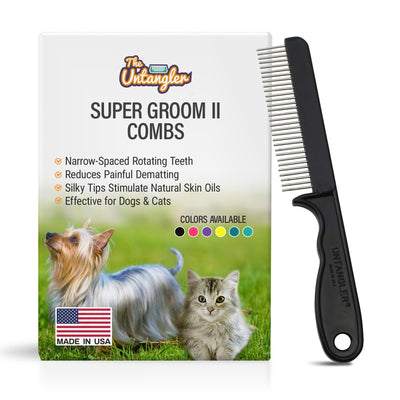
Grooming Pick
Super Groom 2 Comb
A long, silky double coat like the Skye’s needs regular combing to stay mat-free, and this made-in-USA comb’s smooth-glide rotating teeth work through tangles without pulling — a gentler experience for a dignified dog that remembers everything. Browse more American-made pet combs for every coat type.
Shop the Super Groom 2Diet
Feed a balanced, high-quality diet suited to an active small-to-medium dog, and keep portions honest — a lean Skye is a sound Skye, and every extra pound loads that long back. Seniors may benefit from joint support, and fresh water should always be available.
6. Health and Lifespan
Skye Terriers commonly live 12–15 years and are generally hardy, but there are concerns worth knowing about: hip dysplasia, eye disorders, hypothyroidism, skin issues and allergies, cardiac concerns, patellar luxation, dental disease, and back or joint strain related to the long, low build. Responsible breeders screen hips, eyes, heart, and thyroid — ask to see records. Day to day, weight management, back-friendly habits (more on that below), and routine wellness exams do the heavy lifting. Call your veterinarian about limping, reluctance to jump, back pain, or vision changes.
7. Training and Socialization
Start early, keep it positive, and keep sessions short and varied. Skyes are intelligent but not eager-to-please in the retriever sense — they respond to patience, consistency, and rewards, and they shut down under harsh methods. Prioritize name recognition, a reliable recall (critical with this hunting heritage), loose-leash walking, a quiet cue, and calm greetings. Socialize puppies generously to people, dogs, sounds, surfaces, grooming, and handling; a Skye that learns the world is safe grows into a confident, dignified adult instead of a suspicious one. Keep training going for life — a Skye with a purpose is a joy, while a bored one invents hobbies you won’t appreciate.
8. Ideal Home Environment
- Experienced owners who understand and respect terrier independence
- Daily exercise plus real mental stimulation
- Secure fencing — hunting drive and small animals are a risky mix
- A grooming commitment measured in years, not weeks
- Patience with vocal announcements and strong opinions
- Respectful older children; careful supervision with small pets
Skyes adapt to many living situations when their needs are met, and they genuinely want to be part of the family team — with dignity intact. One more back-friendly habit worth building: discourage leaps on and off furniture, and give your Skye a supportive bed of its own at floor level.
9. Best Beds and Toys for Skye Terriers
A long, low back deserves cushioned support at rest, and a gentle, clever player deserves toys that match its style.
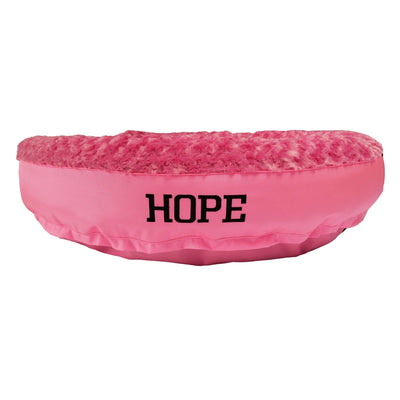
Bed Pick
Dog and Cat Bed Round Bolster Furvana™ ‘Hope’
Cloud-soft cushioning that’s easy on a long spine, a low profile that’s simple to step into — no jumping required — and a bolstered rim made for curl-up security. A floor-level retreat like this helps keep your Skye off the couch-diving circuit. See all American-made dog beds and pads.
Shop the Furvana ‘Hope’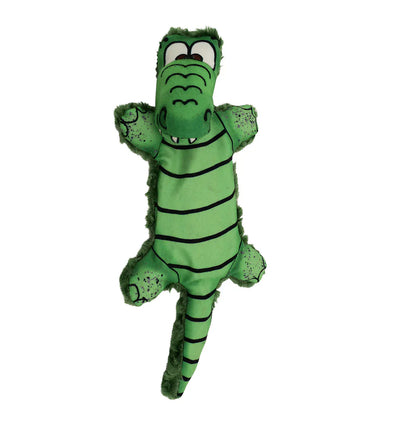
Toy Pick
Allie Gator Plush Toy
Gentle plush play suits the Skye’s style — interactive games of carry, squeak, and snuggle without the leaping and twisting that stress a long back. This USA-made gator is sized right for a medium terrier mouth. Explore more American-made dog toys.
Shop the Allie GatorAlways supervise playtime and inspect toys regularly — toy longevity depends on your dog’s chewing style.
10. Adoption and Breeder Tips

Because the breed is rare, expect a search — and let that patience work in your favor. A responsible breeder health-tests hips, eyes, heart, and thyroid, socializes puppies, understands terrier drive, and welcomes your questions while asking plenty of their own. Meet the mother if you can, and walk away from anyone with constant availability or no health focus. Skye Terrier rescues and all-terrier rescues occasionally place wonderful adults; ask about grooming tolerance, containment history, and how the dog handles other animals.
Before you commit, be honest about your lifestyle: experience with independent dogs, daily exercise, secure space, patient training, and a real grooming habit. In the right home, a Skye Terrier gives loyalty, courage, spirit, and a devoted partnership wrapped in rare Scottish elegance.
This guide wraps up our ten-part Rare Dog Breeds series — from the six-toed Norwegian Lundehund to the dreadlocked Bergamasco to this dignified Scot. Explore the full Rare Dog Breeds collection to meet them all.
11. Frequently Asked Questions
Are Skye Terriers good family dogs?
Yes, for experienced families with respectful older children. Skyes are deeply loyal and affectionate with their people but independent, dignified, and reserved with strangers — supervision with very young children and small pets is a must.
How much grooming does a Skye Terrier need?
A lot. The long double coat needs thorough combing several times a week to prevent mats, plus regular nail trims, ear checks, and dental care. Occasional professional grooming helps keep the coat manageable.
Why are Skye Terriers so rare?
The breed’s popularity peaked in the Victorian era and never fully recovered. Today the Skye Terrier is one of the rarest terrier breeds, and breed clubs run active preservation efforts to keep the gene pool healthy.
Are Skye Terriers good apartment dogs?
They can adapt to apartment life if they get 45–70 minutes of daily exercise plus mental stimulation — but be prepared for a vocal watchdog. Teaching a quiet cue early makes close-quarters living much easier.
Ready to Welcome a One-of-a-Kind Companion?
At LibertyPaw, every product we carry is proudly made in the USA and tested on our own dogs. Whether your rare-breed companion needs a supportive bed, a gentle plush toy, or the right comb for that flowing coat — we’ve got you covered.
Free shipping on qualifying orders • 30-day happiness guarantee • 2% of every sale supports Veteran Service Organizations like K9s For Warriors.
Email us anytime at shop@libertypaw.com — we’re real pet parents here to help!
Toy Safety Disclaimer
Always supervise your dog during playtime and choose toys appropriate for your dog’s size, age, strength, chewing habits, and style of play. Inspect toys regularly for wear, loose parts, tears, cracks, or other damage, and discontinue use if a toy becomes damaged or presents a potential choking, ingestion, or injury hazard.
No dog toy should be considered indestructible. The safety and longevity of any toy depend on the individual dog’s chewing strength, behavior, manner of play, and continued supervision.
Dog Bed & Comfort Product Disclaimer
Choose a bed or comfort product appropriate for your dog’s size, weight, mobility, behavior, and individual needs. Inspect beds and related products regularly for damage, exposed filling, loose components, deterioration, or other conditions that could create a safety hazard.
Dog beds, including products described as orthopedic or supportive, are intended to provide comfort and support. They should not be considered medical devices and are not substitutes for veterinary diagnosis, treatment, rehabilitation, or professional medical advice.
If your dog experiences persistent pain, difficulty standing, mobility problems, changes in sleeping behavior, or other health concerns, consult a licensed veterinarian.
Grooming Product Disclaimer
Use grooming tools and products only as directed and select products appropriate for your dog’s coat type, skin condition, size, age, and individual sensitivities.
Use grooming tools carefully and avoid excessive pressure, pulling, repeated brushing over irritated areas, or use on broken or inflamed skin. Stop using a grooming product or tool if your dog experiences irritation, discomfort, redness, swelling, unusual sensitivity, or another adverse reaction.
Seek guidance from a veterinarian or qualified professional groomer when dealing with severe matting, persistent skin problems, wounds, unusual coat loss, or other conditions that may require professional attention.
Disclaimer
This blog is intended for general informational and educational purposes only and does not replace professional veterinary advice, diagnosis, treatment, or individualized guidance. Every dog is unique, and individual needs may vary based on age, breed, size, health status, activity level, behavior, environment, and individual sensitivities.
Information regarding pet care, nutrition, training, grooming, supplements, toys, beds, accessories, or other pet products should not be interpreted as a guarantee of safety, suitability, performance, durability, or specific health outcomes for every dog. Product selection, use, and results may vary by individual animal.
Always follow applicable product directions, warnings, care instructions, and recommended usage guidelines. Consult a licensed veterinarian or qualified canine professional before making significant changes to your dog’s diet, supplementation, exercise routine, grooming regimen, health care, or other practices that may affect your dog’s health or wellbeing.


0 comments