
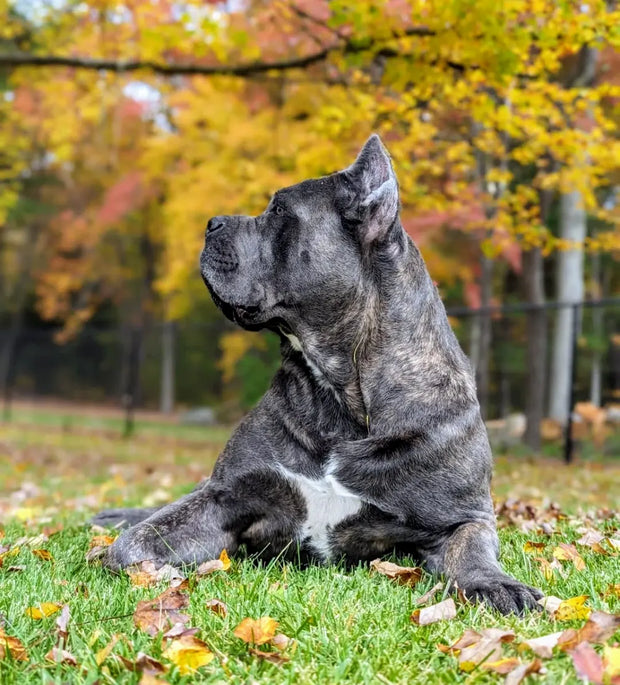







Ultimate Thai Ridgeback Guide: Traits, Care, Training & Health Tips
A ridge of hair that grows backward, the agility of a cat, and the independence of an ancient hunter — meet Thailand’s rare ridge-backed athlete and legendary escape artist.


1. Introduction to the Breed
Some dogs beg for attention. The Thai Ridgeback earns yours on its own terms. This rare primitive breed from Thailand wears its signature down its spine — a distinctive ridge of hair growing backward against the rest of the coat — and moves with a cat-like agility that has to be seen to be believed. Sleek body, erect ears, alert expression: this is an ancient Southeast Asian dog with the spirit to match.
We’ll be honest with you the way we’d want a friend to be honest with us: the Thai Ridgeback is not a Velcro dog, not eager-to-please, and not a beginner’s breed. It is self-reliant, intelligent, and dignified — affectionate on its own terms, playful and even clownish with family, and famously aloof with strangers. The American Kennel Club describes a medium-sized, short-coated dog that is loyal to its family but reserved with everyone else.
For experienced owners who appreciate primitive breeds, provide secure spaces, and respect a dog’s independence, the Thai Ridgeback gives back quiet loyalty, sharp intelligence, and a personality unlike anything else on four legs.
2. History of the Breed
The Thai Ridgeback’s roots run centuries deep in rural Thailand, where it served as hunter, guardian, and village companion. These dogs hunted small game, watched over homes, and lived closely with their people — but they were never bred for complex teamwork like herding or retrieving. That history built a dog that is loyal to its family yet thoroughly self-reliant.
The famous ridge is a natural genetic mutation preserved in the breed, a trait shared with only a few other dogs in the world, including the Rhodesian Ridgeback. In modern times the breed earned recognition in Thailand and later internationally, but it remains genuinely rare outside Southeast Asia.
Today’s Thai Ridgeback still carries those village instincts: reserved with outsiders, intensely bonded to its people, and happiest with owners who understand primitive breed needs and respect its dignity.
“A Thai Ridgeback is not just a ridged dog. It is an ancient Southeast Asian companion wrapped in agility and independence.”
3. Physical Characteristics
Thai Ridgebacks are medium-sized, muscular athletes with a sleek, rectangular build made for speed, jumping, and — fair warning — climbing. Males typically stand 22–24 inches and weigh 50–65 pounds; females run 20–22 inches and 40–55 pounds.
Height & Weight
20–24 inches; 40–65 pounds of lean, agile muscle.
Coat
Short, dense, low-shedding — solid red, black, blue, or fawn.
Signature Traits
Backward-growing ridge along the spine, erect ears, cat-like climbing agility.
Lifespan
Typically 12–14 years with good care and a lean body condition.
The ridge should be well-defined and symmetrical, though not every dog carries a perfect one — it is a genetic trait, not a guarantee. Behind the ridge is a functional, primitive athlete: deep chest, tucked abdomen, powerful hindquarters, and a long tail carried curved or straight. Because these dogs jump and climb hard, body condition matters. Keep your Ridgeback lean to protect joints and preserve that remarkable spring.
4. Personality Traits
Many owners describe living with a Thai Ridgeback as living with a very large cat: dignified, observant, affectionate in private, and entirely convinced that commands are suggestions. They often bond intensely with one person or one family, following routines and seeking quiet companionship rather than constant interaction.
- Independent thinker — learns fast, then decides whether it’s worth doing
- Loyal to family — deep bonds with trusted people, reserved with strangers
- Alert watchdog — barks to announce, without being aggressive to family
- Agile and athletic — a jumper and climber that needs secure containment
- Sensitive and dignified — gentle handling only; harsh corrections backfire
With early socialization, Thai Ridgebacks can do well with respectful children and calm canine housemates. Their hunting heritage means small pets may trigger a chase, so supervise introductions and manage the environment.
5. Care Requirements
Exercise
Most healthy adults need 45–75 minutes of daily activity, and this breed wants both body and brain engaged. Long walks and hikes, secure fenced runs, agility or rally, scent work, puzzle feeders, and training games all shine. Warm weather suits that short coat beautifully — this is a tropical breed at heart — while cold snaps may call for a coat and shorter outings.
Grooming
Grooming is refreshingly low-maintenance. The short, dense coat needs only occasional brushing to lift loose hair and keep the skin healthy, with a little extra attention along the ridge, where skin irritation can hide. Add routine nail trims, ear checks, and dental care, and you’re done.

Grooming Pick
Small Pet Brush — 40 Teeth
This made-in-USA brush’s 40 rotating teeth glide through a short, dense coat without scraping sensitive skin — exactly what the Ridgeback’s ridge line needs. A quick weekly pass keeps loose hair off your couch. Browse more American-made pet detangling brushes for every coat type.
Shop the Small Pet BrushDiet
Feed a balanced, high-quality diet formulated for active medium-sized dogs, and keep portions honest — a lean Ridgeback is a sound Ridgeback. Puppies need controlled growth support, seniors may benefit from joint-friendly nutrition, and fresh water should always be available, especially in warm weather.
6. Health and Lifespan
Thai Ridgebacks commonly live 12–14 years and are generally a hardy breed. Concerns worth knowing about include hip dysplasia, eye disorders, hypothyroidism, cardiac issues, skin problems or allergies (especially around the ridge), and dermoid sinus — a rare condition associated with ridged breeds. Responsible breeders screen hips, eyes, heart, and thyroid; ask to see the records. Between wellness exams, watch for limping, vision changes, skin irritation along the ridge, or digestive trouble, and keep weight in check to spare those hard-working joints.
7. Training and Socialization
Start early, stay positive, and keep sessions short and engaging. Thai Ridgebacks are intelligent enough to learn anything and independent enough to negotiate everything. Gentle, consistent, reward-based training builds trust; harsh corrections shut this sensitive breed down.
Two skills are non-negotiable: a reliable recall and calm acceptance of secure containment. This breed can jump and climb its way out of spaces that would hold most dogs, so off-leash time belongs only in fully fenced areas. Early socialization to people, dogs, sounds, surfaces, and handling builds confidence in a naturally reserved dog — and a well-socialized Ridgeback is a quietly wonderful companion, while a bored or isolated one may become withdrawn, vocal, or escape-prone.
8. Ideal Home Environment
- Experienced owners who understand and respect primitive, independent breeds
- Secure, tall fencing — this is a professional jumper and climber
- Daily exercise and mental stimulation without a chaotic, highly social household
- Gentle, consistent handling and quiet companionship over constant attention
- Respectful older children and calm resident dogs or cats, with careful introductions
- Warm or moderate climates suit the short coat; protect from cold extremes
After a day of running and climbing, a Thai Ridgeback needs a comfortable, quiet resting place of its own — a supportive bed in a calm corner fits this dignified breed perfectly.
9. Best Beds and Toys for Thai Ridgebacks
A lean, short-coated athlete from a tropical climate needs a bed that cushions without overheating — and a powerful, agile jaw deserves a toy built to take it.
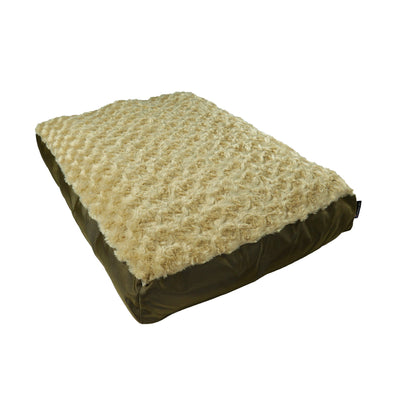
Bed Pick
Dog Bed Rectangle Furvana™
Cloud-soft cushioning in a breathable rectangle design — ideal for a short-coated, warm-climate breed that wants to stretch out and cool down after a hard run. Made in the USA and sized for medium athletes. See all American-made dog beds and pads.
Shop the Rectangle Furvana
Toy Pick
Firefighter Firehose Tug Toy
Genuine firehose material stands up to a powerful, athletic tugger — and structured tug with “take it” and “drop it” rules doubles as training for a breed that bonds through working with its trusted people. Explore more American-made dog toys.
Shop the Firefighter Firehose TugAlways supervise playtime and inspect toys regularly — toy longevity depends on your dog’s chewing style.
10. Adoption and Breeder Tips

Because the breed is rare outside Southeast Asia, patience — and homework — pays. A responsible breeder will show health clearances for hips, eyes, heart, and thyroid, socialize puppies thoughtfully, and speak fluently about primitive temperament. Ask about parent temperament, early socialization, energy levels, and guarantees; meet the mother if you can; and walk away from anyone with constant availability or no health focus. Thai Ridgeback and primitive-breed rescues occasionally place wonderful adults — ask about containment history, reserve with strangers, and how the dog handles alone time.
Before you commit, be honest about your lifestyle: secure space, gentle handling, daily exercise, and genuine respect for independence. Meet those needs, and a Thai Ridgeback returns quiet loyalty, agility, intelligence, and devoted partnership from a rare ancient breed with a dignified spirit.
11. Frequently Asked Questions
Are Thai Ridgebacks good family dogs?
For experienced families with respectful older children, yes. They are loyal and playful with their trusted circle but independent, reserved with strangers, and best suited to calm households — not chaotic, highly social ones.
Why does the Thai Ridgeback have a ridge?
The backward-growing ridge along the spine is a natural genetic mutation preserved in the breed — a trait shared with only a few dogs worldwide, including the Rhodesian Ridgeback. It should be well-defined and symmetrical, though not every dog has a perfect one.
Do Thai Ridgebacks shed much?
Very little. The short, dense coat is low-shedding and needs only occasional brushing — just pay extra attention to skin health along the ridge area during grooming sessions.
Are Thai Ridgebacks escape artists?
Famously so. They jump and climb with cat-like agility, so tall, secure fencing and a reliable recall are essential. Off-leash time belongs only in fully enclosed areas.
Ready to Welcome a One-of-a-Kind Companion?
At LibertyPaw, every product we carry is proudly made in the USA and tested on our own dogs. Whether your rare-breed athlete needs a breathable bed, a firehose-tough tug toy, or the right brush for that short coat — we’ve got you covered.
Free shipping on qualifying orders • 30-day happiness guarantee • 2% of every sale goes out through our 2% for America promise, supporting K9s For Warriors.
Email us anytime at shop@libertypaw.com — we’re real pet parents here to help!
Toy Safety Disclaimer
Always supervise your dog during playtime and choose toys appropriate for your dog’s size, age, strength, chewing habits, and style of play. Inspect toys regularly for wear, loose parts, tears, cracks, or other damage, and discontinue use if a toy becomes damaged or presents a potential choking, ingestion, or injury hazard.
No dog toy should be considered indestructible. The safety and longevity of any toy depend on the individual dog’s chewing strength, behavior, manner of play, and continued supervision.
Dog Bed & Comfort Product Disclaimer
Choose a bed or comfort product appropriate for your dog’s size, weight, mobility, behavior, and individual needs. Inspect beds and related products regularly for damage, exposed filling, loose components, deterioration, or other conditions that could create a safety hazard.
Dog beds, including products described as orthopedic or supportive, are intended to provide comfort and support. They should not be considered medical devices and are not substitutes for veterinary diagnosis, treatment, rehabilitation, or professional medical advice.
If your dog experiences persistent pain, difficulty standing, mobility problems, changes in sleeping behavior, or other health concerns, consult a licensed veterinarian.
Grooming Product Disclaimer
Use grooming tools and products only as directed and select products appropriate for your dog’s coat type, skin condition, size, age, and individual sensitivities.
Use grooming tools carefully and avoid excessive pressure, pulling, repeated brushing over irritated areas, or use on broken or inflamed skin. Stop using a grooming product or tool if your dog experiences irritation, discomfort, redness, swelling, unusual sensitivity, or another adverse reaction.
Seek guidance from a veterinarian or qualified professional groomer when dealing with severe matting, persistent skin problems, wounds, unusual coat loss, or other conditions that may require professional attention.
Disclaimer
This blog is intended for general informational and educational purposes only and does not replace professional veterinary advice, diagnosis, treatment, or individualized guidance. Every dog is unique, and individual needs may vary based on age, breed, size, health status, activity level, behavior, environment, and individual sensitivities.
Information regarding pet care, nutrition, training, grooming, supplements, toys, beds, accessories, or other pet products should not be interpreted as a guarantee of safety, suitability, performance, durability, or specific health outcomes for every dog. Product selection, use, and results may vary by individual animal.
Always follow applicable product directions, warnings, care instructions, and recommended usage guidelines. Consult a licensed veterinarian or qualified canine professional before making significant changes to your dog’s diet, supplementation, exercise routine, grooming regimen, health care, or other practices that may affect your dog’s health or wellbeing.


0 comments