





Ultimate Newfoundland Guide: Traits, Care, Training & Health Tips
The gentle water rescue giant — the Newfoundland is a massive, sweet-natured working breed known for strength, patience, loyalty, swimming ability, and a famously loving heart.


Want to explore more breeds? Visit the full hub here: Top 50 Purebred Dog Guide.
1. Introduction to the Breed
The Newfoundland is one of the most beloved giant dog breeds in the world. Large, powerful, gentle, and deeply loyal, this breed is famous for its calm temperament and natural water ability. Often called the “Newfie,” the Newfoundland has a presence that is impossible to miss.
It is huge. It is hairy. It is sweet. And it often seems to believe it is much smaller than it is.
A Newfoundland may weigh more than many adults expect, but its personality is usually soft, patient, and affectionate. This is a dog that often wants to be close to its people, rest beside the family, watch over children, and move through life with quiet confidence.
The breed is especially known for its gentle nature. Many Newfoundlands are wonderful family companions when properly trained and supervised. They are often patient with children, calm indoors, and steady in busy households. Their size can make them impressive, but their heart is what makes people fall in love.
This is a working dog. The Newfoundland was bred for hard jobs in cold water and rough coastal conditions. It helped fishermen, hauled loads, worked around boats, and became famous for water rescue instincts. That history still shows today in the breed’s strength, swimming ability, thick coat, and steady disposition.
A Newfoundland is not usually hyper. But it is not low-responsibility. This breed needs space, grooming, training, weight control, joint support, and regular veterinary care. It also needs owners who understand giant-dog management. A sweet dog that weighs over 100 pounds still needs manners.
A Newfoundland puppy may look like a fluffy bear cub. But that puppy grows quickly. Leash manners, calm greetings, crate comfort, grooming tolerance, and household boundaries should start early. A full-grown Newfoundland that pulls, jumps, or refuses handling can be difficult to manage even if it means well.
Newfoundlands can be a good fit for:
- Families who want a gentle giant
- Owners who enjoy calm, affectionate dogs
- Homes with space for a large breed
- People willing to groom regularly
- Families with respectful children
- Owners who enjoy water activities
- People prepared for drool, shedding, and size
They may not be ideal for:
- Homes that dislike drool
- People who avoid grooming
- Owners who cannot manage a giant dog
- Hot climates without cooling
- Small spaces with no room for a large body
- Families wanting a high-speed jogging dog
- Owners unwilling to train early
The Newfoundland is a giant companion with a working soul. Gentle does not mean effortless. But for the right home, this breed is unforgettable.
"A steady protector. A natural swimmer. A soft-hearted giant."
2. History of the Breed
The Newfoundland comes from the island of Newfoundland, off Canada’s eastern coast. Its history is tied to cold water, fishing communities, and hard work. These dogs were developed to help people survive and work in harsh coastal conditions. They were not bred for decoration. They were bred for usefulness, strength, and dependability.
Newfoundlands worked beside fishermen. They helped pull nets. They hauled carts. They carried loads. They retrieved items from the water. They assisted around boats and docks.
Their swimming ability became legendary. The breed’s thick double coat, large webbed feet, powerful body, and strong tail helped make it a natural water worker. The Newfoundland could move through cold water with strength and endurance, making it valuable in places where water work was part of daily life.
Over time, the breed became especially known for water rescue. Stories of Newfoundlands saving people from drowning became part of the breed’s identity. Their combination of power, courage, patience, and instinct made them uniquely suited to rescue work.
That history still matters. Many modern Newfoundlands still love water. Some naturally enter lakes, pools, ponds, or oceans with confidence. Others need gentle introduction. But the breed’s body was clearly designed for aquatic work.
The Newfoundland’s temperament was also shaped by its work. A dog working around fishermen, families, boats, and children needed to be stable and trustworthy. It needed strength without recklessness. It needed courage without unnecessary aggression. It needed to work close to people and remain dependable. That is why the modern Newfoundland is known as a gentle giant.
The breed eventually spread beyond Canada and became admired in Europe and the United States. It gained recognition as both a working dog and a family companion.
Newfoundlands were valued for:
- Water rescue ability
- Strength
- Carting and hauling work
- Gentle temperament
- Loyalty
- Cold-weather endurance
- Family companionship
Today, many Newfoundlands live as beloved family dogs. Some still participate in water rescue training, carting, obedience, therapy work, and other activities that honor their working heritage.
Even if a Newfoundland never pulls a net or performs a rescue, its history is still present. In the coat. In the size. In the calmness. In the love of water. In the steady way it watches over its family. The Newfoundland was built to help. That helpful heart remains one of the breed’s greatest gifts.
3. Physical Characteristics
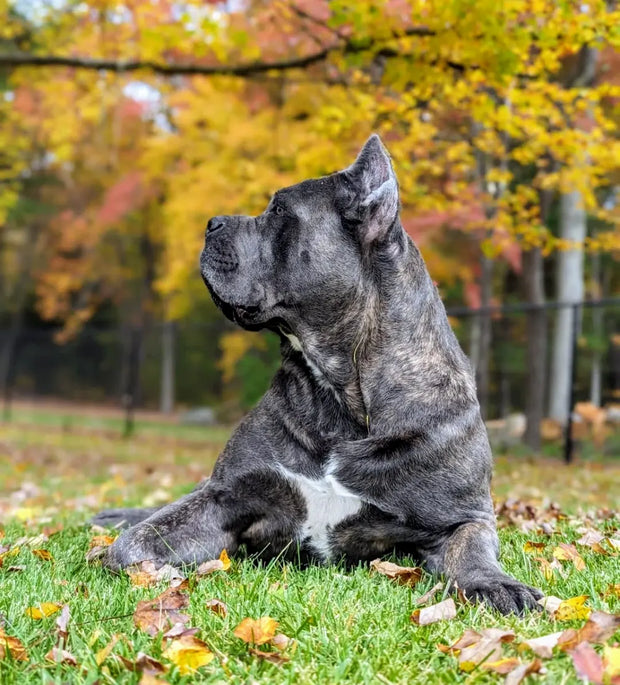
The Newfoundland is a giant working dog with a massive body, heavy bone, thick coat, and powerful build. This breed should look strong, balanced, and capable of real work. It is large, but it should not be sloppy or weak. A healthy Newfoundland should have substance, muscle, and smooth movement.
Males typically stand about 28 inches at the shoulder and weigh around 130–150 pounds. Females usually stand about 26 inches and weigh around 100–120 pounds.
This is a very large dog. Everything about ownership must account for that size. A Newfoundland needs room to lie down, move through the home, ride in a vehicle, visit the veterinarian, and rest comfortably. Owners must also think about ramps, stairs, grooming space, and safe handling.
The head is broad and noble. The expression is soft, intelligent, and gentle. The ears are relatively small compared with the head and lie close to the cheeks. The eyes are deep-set and kind. The muzzle is broad and strong.
The body is muscular and substantial. The chest is deep. The back is strong. The legs are powerful. The feet are large and suited for swimming. The tail is strong and acts almost like a rudder in the water.
The coat is one of the breed’s most important features. Newfoundlands have a thick double coat that helps protect them in cold and wet conditions. The outer coat is coarse and water-resistant. The undercoat is soft, dense, and insulating. This coat is beautiful. It is also a lot of work.
Common Newfoundland colors include:
- Black
- Brown
- Gray
- White and black, often called Landseer
The black Newfoundland is the most familiar, but all recognized colors can be striking.
Newfoundlands shed. They shed year-round and often blow coat seasonally. During heavy shedding periods, owners may find large amounts of undercoat throughout the home.

Regular brushing is essential. The coat can mat behind the ears, under the legs, around the tail, near the collar area, and in thick feathering. Mats can pull on the skin and trap moisture.
Because Newfoundlands are giant dogs, body condition matters. Extra weight can create serious stress on joints, heart, breathing, and mobility. A Newfoundland should be large because of structure, not because of fat. Fat should not be confused with structure.
A healthy Newfoundland should feel powerful and muscular under the coat. You should be able to feel the ribs with light pressure. The dog should move comfortably. The breed’s size is impressive enough. It does not need extra weight.
4. Personality Traits
Newfoundlands are gentle, loyal, patient, affectionate, and calm. They are famous for their sweet temperament. Many owners describe them as kind, steady, and deeply devoted to family life. The breed’s nickname, “gentle giant,” is well earned when the dog is properly bred, trained, and socialized.
A Newfoundland often wants to be near its people. It may rest at your feet, lean against your leg, follow slowly from room to room, or lie where it can watch the family. It may not demand constant activity, but it usually wants companionship. This is not a breed that thrives in isolation. A Newfie wants to belong.
Newfoundlands are often patient with children. Their calmness and tolerance can make them excellent family dogs. Still, supervision is important because of their size. A Newfoundland can accidentally knock over a child, step on a foot, or sweep items off a table with its tail. Gentle does not mean small.
Common Newfoundland personality traits include:
- Gentle
- Patient
- Loyal
- Affectionate
- Calm
- Sweet-natured
- Watchful
- Intelligent
- Strong
- Protective when needed
- Social with family
- Sometimes stubborn
- Often drooly
Newfoundlands are usually not aggressive dogs. They often protect through presence rather than noise. Their size alone can be enough to discourage trouble. Many are friendly with visitors when properly introduced, though some may be calmly reserved.
The breed is intelligent, but it may not respond with the sharp speed of some herding or sporting dogs. A Newfoundland may think. Then move. Slowly.
Training should be patient and consistent. Newfoundlands are sensitive enough that harsh treatment is unnecessary. They respond well to positive reinforcement, calm leadership, and clear expectations. Because of their size, manners must be taught early.
Newfoundlands can often live with other dogs. They may also do well with cats and smaller pets when introduced properly. Their temperament is usually gentle, but every dog is an individual.
Puppy energy can be surprising. Newfoundland puppies grow fast but mature slowly. They may be goofy, clumsy, mouthy, and playful while already weighing more than many adult dogs. Training during this stage is extremely important.
A well-raised Newfoundland is a calm, affectionate, dependable companion. An untrained Newfoundland can be overwhelming simply because of size. The breed’s temperament is one of its greatest strengths. Protect it with good breeding. Shape it with good training. Support it with good care.
5. Care Requirements
Newfoundlands need serious daily care because of their size, coat, health risks, and slow-growing giant-breed structure. They are not high-energy dogs compared with some working breeds, but they are high-maintenance in other ways. They need grooming. They need space. They need weight control. They need joint support. They need heat protection. They need owners who notice small problems early.
Exercise Needs
Newfoundlands need moderate daily exercise. They are not built for long, high-speed running, but they do need regular movement to maintain muscle, support joint health, and prevent weight gain.
Good exercise options include:
- Daily walks
- Swimming
- Gentle hikes in cool weather
- Carting activities with proper training
- Slow neighborhood walks
- Water play
- Controlled yard time
- Gentle fetch
- Training games
- Scent games
Swimming is one of the best activities for many Newfoundlands. It allows exercise with less impact on the joints. Because the breed was built for water, many enjoy swimming naturally. Still, water safety matters. Always supervise water activity. Use safe entry and exit points. Avoid strong currents, unsafe ice, rough surf, and polluted water.
Puppies need controlled exercise. Giant-breed puppies should not be forced into long runs, repeated jumping, or excessive stair use. Their joints and growth plates need time to develop. Gentle walks, short play sessions, and safe exploration are better.
Adult Newfoundlands benefit from steady conditioning. Too little exercise can lead to weight gain and weakness. Too much impact can stress the joints. Senior Newfoundlands may need shorter walks, swimming, ramps, and softer surfaces. A rugged, dependable walking lead built for strong dogs makes daily outings with a giant breed safer and easier.
Heat is a major concern. Newfoundlands have thick coats and large bodies. They can overheat in warm or humid weather. Exercise should happen during cooler times of day, and the dog should always have shade, water, and indoor cooling.
Watch for signs of overheating:
- Heavy panting
- Excessive drooling
- Weakness
- Stumbling
- Refusing to move
- Bright red or pale gums
- Collapse
A Newfoundland is built for cold water. Not summer heat.
Grooming Needs
Grooming is a major part of Newfoundland ownership. Their thick double coat needs regular brushing to prevent mats, remove loose undercoat, and keep the skin healthy.
Most Newfoundlands need brushing several times per week. During heavy shedding seasons, daily brushing may be needed.
Focus on:
- Behind the ears
- Chest
- Neck
- Armpits
- Belly
- Rear feathering
- Tail
- Feet
- Under the collar
Routine grooming should include:
- Brushing several times per week
- Undercoat removal during shedding season
- Bathing as needed
- Thorough drying after baths or swimming
- Ear checks
- Nail trimming
- Dental care
- Paw inspection
- Drool cleanup
Drying matters. A damp Newfoundland coat can trap moisture close to the skin. This may contribute to odor, irritation, or hot spots. After swimming or bathing, make sure the coat dries thoroughly.
A LibertyPaw Pet Rake, Pet Comb, or Detangling Brush can help manage loose undercoat and reduce matting between professional grooming sessions.
Prefer browsing? Explore the full grooming lineup here: LibertyPaw Pet Grooming Products
Drool is part of the breed. Some Newfoundlands drool more than others, but owners should expect slobber on floors, clothing, furniture, and sometimes walls. Keep towels nearby. This is Newfie life.
Dietary Considerations
Nutrition must be managed carefully. Newfoundlands need a large-breed appropriate diet that supports slow, steady growth in puppies and healthy body condition in adults.
Do not overfeed puppies. Rapid growth and excess weight can increase stress on developing joints.
Good feeding habits include:
- Feed measured meals
- Use large-breed puppy food when appropriate
- Avoid free-feeding
- Monitor body condition regularly
- Limit high-calorie treats
- Keep the dog lean
- Discuss ideal weight with a veterinarian
- Avoid intense exercise around meals
Because Newfoundlands are large, food costs can be significant. Owners should be prepared. Fresh water should always be available, especially after exercise or in warm weather.
A Newfoundland should be strong and substantial. Not overweight.
6. Health and Lifespan
Newfoundlands usually live about 9–10 years. Some live longer with excellent care, responsible breeding, healthy weight, and early veterinary attention. Still, this is a giant breed, and owners should be realistic about health risks.
Common Newfoundland health concerns may include:
- Hip dysplasia
- Elbow dysplasia
- Heart disease
- Subaortic stenosis
- Cystinuria
- Bloat
- Arthritis
- Obesity
- Skin hot spots
- Ear infections
- Cruciate ligament injuries
- Heat intolerance
The Newfoundland Club of America considers hips, elbows, heart, and cystinuria testing necessary for breeding stock. It also strongly recommends thyroid, eye, and patella testing where indicated.
Hip and elbow health are especially important. This breed carries significant weight. Orthopedic issues can affect mobility, comfort, and quality of life. Responsible breeders should screen breeding dogs and provide documentation.
Heart health is another major topic. Subaortic stenosis and other cardiac concerns can occur in the breed. Puppy buyers should ask breeders about cardiologist evaluations.
Cystinuria is a genetic condition that can lead to urinary stones. Testing helps breeders reduce risk and make responsible breeding decisions.
Bloat is a serious emergency risk in large, deep-bodied dogs.
Signs may include:
- Swollen abdomen
- Restlessness
- Drooling
- Unproductive retching
- Pacing
- Pain
- Weakness
- Collapse
Bloat can be life-threatening. Seek emergency veterinary care immediately.
Skin health needs attention too. A thick coat can trap moisture, especially after swimming, rain, or baths. Hot spots may develop quickly if the coat stays damp or skin is irritated.
Ear care is also important, especially for dogs that swim.
Watch for:
- Head shaking
- Ear odor
- Redness
- Discharge
- Scratching
- Sensitivity around the ear
Weight management may be one of the most important health tools for this breed. Extra pounds make everything harder. Walking. Rising. Breathing. Cooling down. Joint comfort. A lean Newfoundland is usually a happier Newfoundland.
Owners should contact a veterinarian if they notice:
- Limping
- Trouble rising
- Stiffness after rest
- Reluctance to climb stairs
- Sudden swelling
- Coughing
- Exercise intolerance
- Unproductive retching
- Abdominal bloating
- Repeated hot spots
- Ear irritation
- Sudden weakness
- Appetite changes
A Newfoundland may be gentle and stoic. Do not wait for dramatic symptoms. Small changes matter.
7. Training and Socialization
Training is essential for the Newfoundland. This breed is gentle, but it is also giant. A poorly trained Newfoundland can be difficult to manage even if it has a loving temperament.
Start early. A fluffy puppy that pulls on leash may seem harmless. A 130-pound adult doing the same thing is a serious problem.
Important early skills include:
- Name recognition
- Sit
- Down
- Stay
- Come
- Leave it
- Drop it
- Loose-leash walking
- Place command
- Crate comfort
- Calm greeting
- Doorway manners
- Handling tolerance
- Grooming cooperation
Loose-leash walking is critical. A Newfoundland must learn not to drag its owner toward people, dogs, water, or interesting smells. A heavy-duty USA-made training leash or long-line gives you dependable control while those manners are still a work in progress.
Calm greetings also matter. A jumping Newfoundland can knock someone over. Teach the dog to greet politely from the beginning.
Positive reinforcement works well.
Use:
- Treats
- Praise
- Gentle repetition
- Calm voice
- Short sessions
- Clear routines
- Patience
- Consistency
This breed may mature slowly. Do not mistake slow response for lack of intelligence. Newfoundlands can learn well, but they may process and move at a relaxed pace.
Harsh training is not appropriate. A Newfoundland is sensitive and people-oriented. Heavy-handed correction can damage trust. Firm, kind, consistent leadership works better.
Socialization should begin in puppyhood. A Newfoundland should learn to be calm around people, children, other dogs, traffic, grooming tools, veterinarians, and household activity.
Good socialization includes:
- Meeting calm adults
- Seeing respectful children
- Walking near traffic
- Visiting pet-friendly stores
- Practicing around other dogs
- Hearing household noises
- Experiencing brushing and drying
- Learning car rides
- Practicing vet-style handling
- Being around water safely
The goal is not excitement. The goal is steadiness. A Newfoundland should learn to remain calm in new situations. Because of its size, emotional control matters.
Water training can be a wonderful activity for the breed. If owners want to explore water work, they should use safe, positive introductions and appropriate guidance. Never force a dog into water.
Many Newfoundlands enjoy training activities such as:
- Water rescue practice
- Carting
- Therapy dog work
- Obedience
- Rally
- Scent games
- Gentle tricks
A trained Newfoundland is a joy. It is calm, connected, manageable, and impressive. An untrained Newfoundland may still be sweet. But sweetness does not replace manners.
8. Ideal Home Environment
The ideal Newfoundland home is spacious, calm, committed, and prepared for giant-dog realities. This breed does best with families or owners who have time for grooming, training, gentle exercise, and companionship. It does not need constant intense activity, but it does need daily involvement.
A Newfoundland can live in different home types if its needs are met, but space helps. This is a very large dog. It needs room to stretch out, move safely, rest comfortably, and avoid overheating.
The best homes usually include:
- Calm, patient owners
- Space for a giant dog
- Daily moderate exercise
- Regular grooming
- Cool indoor areas
- Supportive bedding
- Secure outdoor access
- Weight management
- Veterinary commitment
- Respectful children
- Tolerance for drool and shedding
Newfoundlands should live indoors with their families. They are not backyard decorations. They bond closely with people and need companionship. Isolation can lead to sadness, anxiety, barking, or unwanted behaviors.
They often do beautifully with children. Still, supervision is important. Their size alone can create accidental risk. Children should learn not to climb on the dog, pull fur, disturb sleep, or use the dog as furniture. A Newfoundland may tolerate a lot. That does not mean it should have to.
They can live with other dogs when properly introduced. Many are peaceful and social, but care should still be taken with food, space, toys, and size differences. Cats and smaller pets may be fine in many homes, especially with early exposure and supervision.
This breed may not be ideal for:
- Owners who dislike drool
- People who want a low-grooming dog
- Hot homes without air conditioning
- Very small spaces with no room for a giant breed
- Owners unable to manage veterinary or food costs
- People who want a running partner
- Homes with slippery floors and no traction support
- Owners unwilling to train early
Slippery floors can be difficult for giant dogs. Use rugs, runners, or mats where needed to help prevent slipping and joint strain.
A supportive bed is essential. This is a heavy breed. Hard floors can create pressure discomfort, calluses, and stiffness. A thick, supportive bed gives the Newfoundland a better place to recover.
The ideal home understands the Newfoundland rhythm. Gentle walks. Cool rooms. Big naps. Heavy grooming. Water when possible. Family always. That is where this breed shines.
9. Best Beds and Toys for Newfoundlands
Newfoundlands need gear built for giant size, strength, comfort, and coat care. This is not a breed for tiny toys, thin beds, or flimsy equipment. Everything should be safe, durable, washable, and appropriately sized.
Best Dog Bed for a Newfoundland
A high-quality bed is essential for a Newfoundland. This breed is heavy, and its joints carry a lot of weight. A supportive bed helps reduce pressure on the hips, elbows, shoulders, and spine.
A good Newfoundland bed should offer:
- Thick support
- Orthopedic-style cushioning
- Giant-breed sizing
- Durable construction
- Washable cover
- Stable surface
- Room to stretch
- Comfort for senior joints
Newfoundlands may sprawl out, sleep on their sides, or rest with their head elevated. Choose a bed large enough for natural positioning.
A washable cover is important because Newfoundlands shed, drool, and may come inside wet or muddy.
For senior Newfoundlands, supportive bedding becomes even more important. Arthritis, stiffness, and pressure points can make hard floors uncomfortable.
Explore LibertyPaw Dog Beds and Pads for supportive rest options built for large, comfort-loving dogs.
Best Toys for Newfoundlands
Newfoundland toys should be large, durable, and safe. This breed may have a gentle mouth, but it is still powerful. Toys that are too small can become choking hazards. Toys that are too weak may be destroyed quickly.
Good toy options include:
- Large tug toys
- Durable chew toys
- Floating water toys
- Treat-dispensing toys
- Oversized fetch toys
- Puzzle toys
- Rope toys used with supervision
- Training toys
Water toys can be a great choice for many Newfoundlands. Floating toys encourage swimming, retrieving, and low-impact exercise. Always supervise water play and use safe locations.
Tug can also be enjoyable, but it should be controlled. Teach “Take it,” “Drop it,” “Leave it,” and “Wait.” Because Newfoundlands are strong, tug should stay polite and structured.
Puzzle toys are helpful for mental enrichment. A Newfoundland may enjoy slow, thoughtful food puzzles or treat toys during quiet time.
Avoid small balls and toys meant for small or medium breeds. Size matters.

Toy Pick #1
LibertyPaw Firefighter Firehose Tug Toy
A durable option for supervised tug and bonding games with a large, powerful dog. Rugged USA-made firehose construction stands up to giant-breed strength.
Get the Firehose Tug Toy
Toy Pick #2
LibertyPaw RECON Camo Firehose Tug Toy
A rugged choice for giant-breed play sessions, training rewards, and interactive fun. Built from tough firehose material and made in the USA.
Shop the RECON Camo TugWant more USA-made options? Browse the full collection: Shop LibertyPaw American-Made Dog Toys
10. Adoption and Breeder Tips
Choosing a Newfoundland should be done carefully. This breed is gentle and loving, but it is also giant, expensive to care for, heavy-shedding, drooly, and health-sensitive. The right Newfoundland can be a life-changing companion. The wrong match can overwhelm an unprepared home.
If buying from a breeder, choose someone who prioritizes health, temperament, structure, and responsible placement.
Ask about:
- Hip evaluations
- Elbow evaluations
- Cardiologist heart screening
- Cystinuria testing
- Thyroid testing where appropriate
- Eye exams where appropriate
- Parent temperament
- Puppy socialization
- Growth and feeding guidance
- Health guarantees
- Return policy
- Breed experience
A responsible breeder should welcome questions. They should also ask you questions. Good breeders want to know whether you understand grooming, drool, size, food costs, heat sensitivity, and training needs. They should not place Newfoundland puppies casually.
Be cautious of breeders who:
- Avoid health testing
- Refuse to show documentation
- Advertise extreme size
- Always have puppies available
- Dismiss heart or cystinuria concerns
- Sell puppies with no questions
- Keep dogs in poor conditions
- Pressure quick purchases
- Minimize grooming or drool
Meet the mother dog if possible. She should appear stable, healthy, clean, and well cared for. Puppies should be curious, clean, and raised with positive handling.
Adoption can also be a wonderful option. Newfoundland rescues and giant-breed rescues sometimes have adults looking for homes. Adult Newfoundlands can be excellent companions because their size, temperament, grooming needs, and energy level are easier to evaluate.
Before adopting, ask:
- Is the dog good with children?
- Is the dog good with other dogs?
- Has the dog lived with cats?
- Is the dog crate trained?
- Does the dog have separation anxiety?
- What grooming routine is needed?
- Are there known heart or joint issues?
- Does the dog swim?
- What training does the dog know?
- Does the dog tolerate grooming and drying?
A newly adopted Newfoundland may need time to adjust. Provide routine, patience, gentle training, supportive bedding, and grooming help.
Be honest about your lifestyle. A Newfoundland needs space. It needs grooming. It needs cooling. It needs training. It needs health care. It needs people who are ready for giant love and giant responsibility.
For the right home, the Newfoundland is extraordinary. Massive in body. Gentle in spirit. Brave in water. Devoted at heart.
Gear Up for Your Newfoundland
Shop American-made dog toys, supportive dog beds, grooming tools, and collars designed for gentle giant companions like the Newfoundland.
- Shop Dog Toys — durable, giant-breed-safe tug and fetch toys
- Shop Dog Beds & Pads — supportive rest for heavy frames and senior joints
- Shop Grooming Tools — rakes, combs, and brushes for thick double coats
- Shop Collars, Harnesses & Leashes — rugged, dependable walking gear for giant breeds
Built for Gentle Giants
From giant-breed orthopedic beds to shedding rakes for thick double coats, LibertyPaw has USA-made gear designed for breeds like the Newfoundland.
Toy Safety Disclaimer
Always supervise your dog during playtime and choose toys appropriate for your dog’s size, age, strength, chewing habits, and style of play. Inspect toys regularly for wear, loose parts, tears, cracks, or other damage, and discontinue use if a toy becomes damaged or presents a potential choking, ingestion, or injury hazard.
No dog toy should be considered indestructible. The safety and longevity of any toy depend on the individual dog’s chewing strength, behavior, manner of play, and continued supervision.
Dog Bed & Comfort Product Disclaimer
Choose a bed or comfort product appropriate for your dog’s size, weight, mobility, behavior, and individual needs. Inspect beds and related products regularly for damage, exposed filling, loose components, deterioration, or other conditions that could create a safety hazard.
Dog beds, including products described as orthopedic or supportive, are intended to provide comfort and support. They should not be considered medical devices and are not substitutes for veterinary diagnosis, treatment, rehabilitation, or professional medical advice.
If your dog experiences persistent pain, difficulty standing, mobility problems, changes in sleeping behavior, or other health concerns, consult a licensed veterinarian.
Grooming Product Disclaimer
Use grooming tools and products only as directed and select products appropriate for your dog’s coat type, skin condition, size, age, and individual sensitivities.
Use grooming tools carefully and avoid excessive pressure, pulling, repeated brushing over irritated areas, or use on broken or inflamed skin. Stop using a grooming product or tool if your dog experiences irritation, discomfort, redness, swelling, unusual sensitivity, or another adverse reaction.
Seek guidance from a veterinarian or qualified professional groomer when dealing with severe matting, persistent skin problems, wounds, unusual coat loss, or other conditions that may require professional attention.
Disclaimer
This blog is intended for general informational and educational purposes only and does not replace professional veterinary advice, diagnosis, treatment, or individualized guidance. Every dog is unique, and individual needs may vary based on age, breed, size, health status, activity level, behavior, environment, and individual sensitivities.
Information regarding pet care, nutrition, training, grooming, supplements, toys, beds, accessories, or other pet products should not be interpreted as a guarantee of safety, suitability, performance, durability, or specific health outcomes for every dog. Product selection, use, and results may vary by individual animal.
Always follow applicable product directions, warnings, care instructions, and recommended usage guidelines. Consult a licensed veterinarian or qualified canine professional before making significant changes to your dog’s diet, supplementation, exercise routine, grooming regimen, health care, or other practices that may affect your dog’s health or wellbeing.


0 comments