








Ultimate Catahoula Leopard Dog Guide: Traits, Care, Training & Health Tips
Leopard spots, glass eyes, and webbed feet — meet Louisiana’s swamp-bred herding dog, a rare American original with drive to spare.


1. Introduction to the Breed
Some dogs were bred to look striking. The Catahoula Leopard Dog just happens to be striking — the leopard-spotted coat, the pale “glass” eyes, the webbed feet — because every one of those features was built for a job. This is a true American original, developed in the swamps and forests of Louisiana to herd wild hogs and cattle through terrain that would stop most dogs cold.
We’ll be honest with you the way we’d want a friend to be honest with us: the Catahoula is not a casual companion and not a beginner’s dog. It is high-energy, independent, often dominant, and deeply loyal — a serious working dog that bonds hard to its family, stays reserved with strangers, and needs purpose and leadership every single day. According to the American Kennel Club, the breed is a medium-to-large, powerfully built herder that remains rare outside working circles.
For experienced owners, farmers, hunters, or active families who can offer jobs, training, and secure fencing, the Catahoula gives back incredible drive, versatility, and devotion.
2. History of the Breed
The Catahoula’s story begins in Louisiana somewhere between the 16th and 19th centuries, when local and Native American dogs mixed with mastiffs and hounds brought by Spanish explorers, and later with French and English breeds. Settlers and Native Americans put the results to work herding feral hogs and cattle, hunting game, and guarding homesteads in wetlands where webbed feet meant swimming power and independent judgment meant survival.
The name comes from Catahoula Parish in Louisiana; the “leopard” refers to that famous spotted coat. The breed became Louisiana’s official state dog and earned recognition from the UKC and AKC, yet it remains genuinely rare. Generations of dangerous, self-directed work shaped a dog that thinks for itself, makes decisions with minimal direction, and expects its owner to earn respect rather than demand it.
“A Catahoula Leopard Dog is not just a spotted dog. It is a powerful working breed with a leopard’s intensity and a loyal heart.”
3. Physical Characteristics
Catahoulas are medium-to-large, muscular athletes with a strong, rectangular build made for herding, swimming, and rough terrain. Males typically stand 22–26 inches and weigh 65–95 pounds; females run 20–24 inches and 50–75 pounds.
Height & Weight
20–26 inches; 50–95 pounds of lean working muscle.
Coat
Short and dense — famous leopard spotting, plus brindle, solid, and combinations.
Signature Traits
“Glass” or cracked-glass eyes, webbed feet, intense working stare.
Lifespan
Typically 10–14 years with good care and healthy weight.
The eyes may be blue, green, or amber — sometimes one of each — and the webbed feet are a hallmark that turns this herder into a strong swimmer. Under all that beauty is a deep chest, powerful hindquarters, and a body built to work. Because Catahoulas are active working dogs, body condition matters: extra weight stresses joints and dulls performance, so a healthy Catahoula should feel strong and lean-muscled.
4. Personality Traits
Catahoulas are intelligent, independent, driven, and protective — famous for an intense work ethic and a strong personality. Many are one-person or one-family dogs with a dominant streak. They learn fast but are not eager-to-please; they think for themselves and need firm, fair, consistent leadership. Without work or exercise, that big brain finds its own projects, and you will not approve of any of them.
- Loyal and protective — deeply bonded to family, reserved with strangers
- Independent problem-solver — bred to make decisions without direction
- High-drive and versatile — herding, hunting, and guarding instincts run strong
- Dominant streak — needs experienced, confident handling
- Good with older children when trained and supervised; careful introductions with other dogs
5. Care Requirements
Exercise
Most healthy adults need 60–120+ minutes of intense daily activity, and mental work counts. Herding trials, hunting or tracking, long hikes or runs in secure areas, agility, scent work, and purposeful training games all shine — and thanks to those webbed feet, most Catahoulas love to swim. In hot weather, provide water and shade and skip midday work; even a swamp dog can overheat.
Grooming
Grooming is refreshingly moderate: occasional brushing keeps the short coat healthy, plus routine nail trims, ear checks, dental care, and paw inspections — webbed feet can collect debris after a day in the field. The bigger grooming event is bath day, because a dog bred for swamps will find mud and water like a heat-seeking missile.
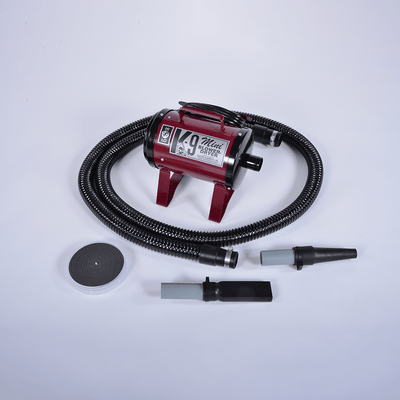
Grooming Pick
MINI K-9 Dryer
When your swamp-bred swimmer comes home soaked and muddy, a high-velocity dryer blasts water and loose hair out of that dense coat in minutes — no damp-dog smell, no soggy couch. Made in the USA and built to last. Compare all K-9 high velocity dog dryers.
Shop the MINI K-9 DryerDiet
Feed a balanced, high-quality diet for large, active working dogs — puppies need growth support, working adults need protein and calories without weight gain, and seniors benefit from joint support. Keep your Catahoula lean and muscular, check body condition regularly, and keep fresh water available at all times.
6. Health and Lifespan
Catahoulas commonly live 10–14 years and are generally sturdy, but concerns to know about include hip and elbow dysplasia, eye disorders such as cataracts, hypothyroidism, skin allergies, cardiac concerns, and bloat risk from that deep chest. Responsible breeders screen hips, elbows, eyes, heart, and thyroid. Keep up routine wellness exams, weight management, and joint support, and watch for limping, vision changes, swelling, or digestive trouble — with a deep-chested breed, sudden bloating is an emergency.
7. Training and Socialization
Start early and stay consistent. Catahoulas respond to positive reinforcement paired with firm, fair leadership — they work for respect and clear rules, and harsh methods backfire with this breed. Prioritize name recognition, recall, loose-leash walking, a solid place command, crate training, and calm greetings, with heavy emphasis on impulse control. Socialization in puppyhood is essential: people, dogs, sounds, surfaces, and handling all build the confidence that keeps natural protectiveness from tipping into over-reactivity. A well-trained Catahoula with a job is a joy; an under-exercised, untrained one is a handful you will not forget.
8. Ideal Home Environment
- Experienced owners who can provide calm, consistent leadership
- Daily intense exercise and real mental work — this breed wants a job
- Tall, secure fencing — Catahoulas can jump and dig
- A large yard, acreage, or a working rural home is ideal; apartments only with serious daily outlets
- Older, respectful children; careful management with other dogs
After a hard day’s work, a Catahoula needs real recovery — supportive rest matters as much as exercise for a body this hard-working.
9. Best Beds and Toys for Catahoula Leopard Dogs
Hard-working joints deserve orthopedic support at rest, and powerful jaws deserve toys that can take the pressure.
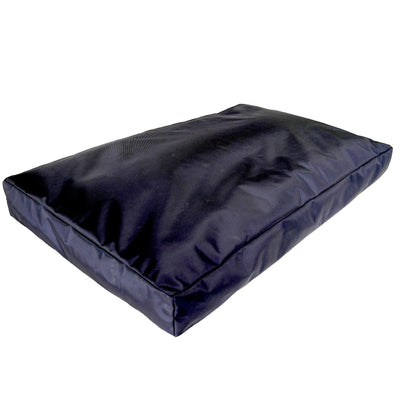
Bed Pick
Dog Bed Rectangle Armor™
A chew-resistant orthopedic bed built for big, hard-working bodies — the supportive base cushions hips and elbows after a day of herding, swimming, or trail running, and the tough cover stands up to a dog that plays as hard as it works. See all American-made dog beds and pads.
Shop the Rectangle Armor Bed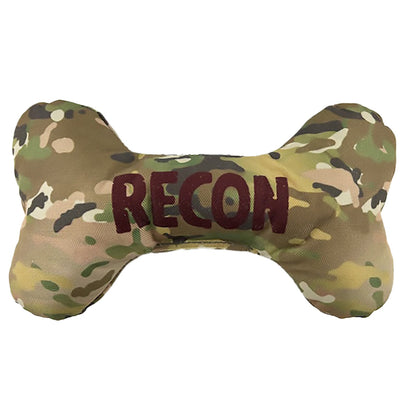
Toy Pick
RECON Camo Bone Chew Toy
Catahoula jaws are no joke — this USA-made camo bone is built for strong chewers who need a durable outlet for all that drive between work sessions. Explore more American-made dog toys.
Shop the RECON Camo BoneAlways supervise playtime and inspect toys regularly — toy longevity depends on your dog’s chewing style.
10. Adoption and Breeder Tips

Choosing a Catahoula takes honesty about your lifestyle: experience with high-drive, dominant breeds, time for intense daily exercise, secure space, and consistent leadership. A responsible breeder will show health clearances for hips, elbows, eyes, heart, and thyroid, socialize their puppies, understand working drive, and answer questions about parent temperament, energy level, and guarantees. Meet the mother if you can, and be cautious of anyone with constant availability or no health focus. Catahoula rescues and working-breed rescues are excellent routes to adults with known drive and training — ask about containment history, dog-to-dog behavior, and how much work the dog is used to.
11. Frequently Asked Questions
Are Catahoula Leopard Dogs good family dogs?
For experienced, active families, yes. They often do well with older children when trained and supervised, but their size, drive, and intensity make them a poor match for novice owners or homes with very young kids.
Why do Catahoulas have “glass” eyes?
The pale blue or cracked-glass eyes are a striking breed trait, sometimes with two different colored eyes. Hunters valued them for visibility in dark swamps — and perhaps a little intimidation.
Do Catahoula Leopard Dogs like water?
Most love it. The breed’s webbed feet were developed for swimming in Louisiana wetlands, and many Catahoulas will happily find every pond, puddle, and mudhole in range.
How much exercise does a Catahoula need?
Plan on 60–120+ minutes of intense daily activity plus mental work. Herding games, hiking, swimming, and scent work suit them far better than a short leash walk around the block.
Ready to Welcome a Louisiana Original?
At LibertyPaw, every product we carry is proudly made in the USA and tested on our own dogs. Whether your rare-breed working partner needs a chew-resistant orthopedic bed, a durable chew toy, or a high-velocity dryer for bath day — we’ve got you covered.
Free shipping on qualifying orders • 30-day happiness guarantee • 2% of every sale goes out through our 2% for America promise, supporting K9s For Warriors.
Email us anytime at shop@libertypaw.com — we’re real pet parents here to help!
Toy Safety Disclaimer
Always supervise your dog during playtime and choose toys appropriate for your dog’s size, age, strength, chewing habits, and style of play. Inspect toys regularly for wear, loose parts, tears, cracks, or other damage, and discontinue use if a toy becomes damaged or presents a potential choking, ingestion, or injury hazard.
No dog toy should be considered indestructible. The safety and longevity of any toy depend on the individual dog’s chewing strength, behavior, manner of play, and continued supervision.
Dog Bed & Comfort Product Disclaimer
Choose a bed or comfort product appropriate for your dog’s size, weight, mobility, behavior, and individual needs. Inspect beds and related products regularly for damage, exposed filling, loose components, deterioration, or other conditions that could create a safety hazard.
Dog beds, including products described as orthopedic or supportive, are intended to provide comfort and support. They should not be considered medical devices and are not substitutes for veterinary diagnosis, treatment, rehabilitation, or professional medical advice.
If your dog experiences persistent pain, difficulty standing, mobility problems, changes in sleeping behavior, or other health concerns, consult a licensed veterinarian.
Grooming Product Disclaimer
Use grooming tools and products only as directed and select products appropriate for your dog’s coat type, skin condition, size, age, and individual sensitivities.
Use grooming tools carefully and avoid excessive pressure, pulling, repeated brushing over irritated areas, or use on broken or inflamed skin. Stop using a grooming product or tool if your dog experiences irritation, discomfort, redness, swelling, unusual sensitivity, or another adverse reaction.
Seek guidance from a veterinarian or qualified professional groomer when dealing with severe matting, persistent skin problems, wounds, unusual coat loss, or other conditions that may require professional attention.
Disclaimer
This blog is intended for general informational and educational purposes only and does not replace professional veterinary advice, diagnosis, treatment, or individualized guidance. Every dog is unique, and individual needs may vary based on age, breed, size, health status, activity level, behavior, environment, and individual sensitivities.
Information regarding pet care, nutrition, training, grooming, supplements, toys, beds, accessories, or other pet products should not be interpreted as a guarantee of safety, suitability, performance, durability, or specific health outcomes for every dog. Product selection, use, and results may vary by individual animal.
Always follow applicable product directions, warnings, care instructions, and recommended usage guidelines. Consult a licensed veterinarian or qualified canine professional before making significant changes to your dog’s diet, supplementation, exercise routine, grooming regimen, health care, or other practices that may affect your dog’s health or wellbeing.


0 comments