





Ultimate Azawakh Guide: Traits, Care, Training & Health Tips
Bred by Saharan nomads to run down gazelle and guard the camp — meet West Africa’s aloof, elegant desert sighthound.


1. Introduction to the Breed
Most dogs meet you at the door. An Azawakh watches from across the room, decides you are acceptable, and goes back to what it was doing. This tall, fine-boned sighthound from West Africa was built for speed and endurance in some of the harshest country on Earth, and it carries itself accordingly — regal, observant, and uninterested in performing for strangers.
We’ll be honest with you the way we’d want a friend to be honest with us: the Azawakh is not a beginner’s dog. It is reserved, sensitive, independent, and fast enough to be gone before you finish calling its name. According to the American Kennel Club, this is a tall, elegant sighthound with a short coat, fine bone, and a temperament deeply loyal to family but aloof with outsiders.
For the right home — secure fencing, gentle hands, and an owner who reads quiet dignity as a feature rather than a flaw — the Azawakh gives back a devotion deeper than most breeds ever manage.
2. History of the Breed
The Azawakh comes from the Sahel, the dry belt of grassland and scrub south of the Sahara running through Mali, Niger, and Burkina Faso. For centuries the Tuareg and other nomadic peoples kept these dogs for two jobs: coursing gazelle across open desert on sight and raw speed, and guarding the camp at night. Both shaped the dog we have today.
Hunting meant working far ahead of any human, making split-second decisions alone. Guarding meant reading strangers carefully and sounding off when something was wrong. Surviving on scarce food and water meant a lean frame with nothing wasted. The Azawakh was never a pet in the modern sense — it was a working partner and a member of the household.
French military officers and diplomats brought the first Azawakhs to Europe in the 20th century, and the breed gained a foothold in France before spreading slowly. It remains genuinely rare outside its homeland.
“An Azawakh is not just a beautiful sighthound. It is a desert hunter and camp guardian wrapped in grace and independence.”
3. Physical Characteristics
Azawakhs are tall, slender, and unmistakably elegant — a rectangular silhouette on long legs, with a deep chest, dramatic tuck-up, and powerful hindquarters that launch all that leg into a gallop. Males typically stand 25–29 inches and weigh 45–55 pounds; females run 23–27 inches and 35–45 pounds. They look taller than the tape says, because there is so little of them side-on.
Height & Weight
23–29 inches; 35–55 pounds of lean, long-legged athlete.
Coat
Short and fine — fawn, red, brindle, black, or blue, often with white markings.
Signature Traits
Deep chest, extreme tuck-up, dark almond eyes, long curved tail.
Lifespan
Typically 12–15 years with good care and honest body condition.
That short coat is built for heat, not cold — it offers almost no insulation. And body condition matters more here than in most breeds: a healthy Azawakh shows visible ribs and a sharp waist, which is correct, not concerning. Extra weight is the real problem.
4. Personality Traits
Azawakhs are frequently described as cat-like, and it fits. Most bond intensely with one or two people and stay politely distant with everyone else — not fearful, just unbothered. At home with family they can be affectionate, silly, and surprisingly playful. In public they tend to go formal.
- Fiercely loyal to family — and openly indifferent to strangers
- Independent thinker — learns fast, complies when it makes sense
- Highly sensitive — harsh corrections damage trust, sometimes permanently
- Alert and territorial — a natural watchdog that barks to announce, not to attack
- Strong chase drive — a running squirrel outranks your recall cue
5. Care Requirements
Exercise
Most healthy adults need 60–90 minutes of daily activity and somewhere to genuinely open up — a securely fenced run, lure coursing, or safe chase games. Off-leash time in unfenced areas is not an option: an Azawakh spotting movement half a mile away is gone, and no training reliably overrides that. Heat suits them; cold does not.
Grooming
This is the easy part. The short coat needs only a quick weekly pass to lift loose hair and spread skin oils, plus routine nail trims, ear checks, dental care, and a look for scrapes or sun-sensitive spots.
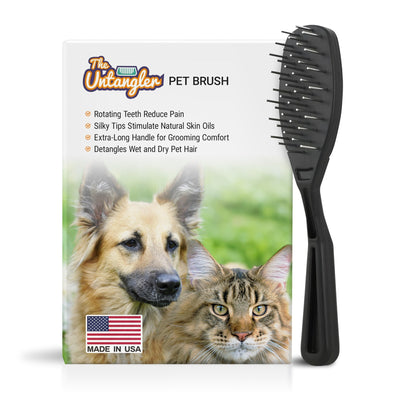
Grooming Pick
PRO Brush: 40 Teeth
A short-coated sighthound does not need much, but it needs the right touch. This made-in-USA brush’s rotating stainless teeth glide over thin skin without scraping, leaving that fine coat sleek in a couple of minutes a week. Browse more American-made pet detangling brushes.
Shop the PRO BrushDiet
Feed a balanced, high-quality diet built for an active dog, with lean protein and honest portions. Because the breed is deep-chested, split meals into two or more smaller servings and avoid hard exercise right after eating — more on why below. Fresh water always.
6. Health and Lifespan
Azawakhs commonly live 12–15 years and are generally hardy, but there are concerns worth knowing: hip dysplasia, eye disorders, hypothyroidism, cardiac issues, skin allergies, joint strain from hard running, and bloat (gastric dilatation-volvulus), which that deep chest makes a real risk. Bloat is a genuine emergency — a distended abdomen, unproductive retching, or sudden restlessness means the vet now, not in the morning.
Responsible breeders screen hips, eyes, heart, and thyroid, and hand over the records without being asked twice. Beyond that: routine wellness exams, lean body condition, and an eye out for limping, vision changes, or digestive trouble.
7. Training and Socialization
Start early, keep it gentle, keep it short. Azawakhs read tone acutely — positive reinforcement builds a partner, harsh handling builds a dog that shuts down and stops trusting you. Recall deserves more work than any other cue, though even a good recall is a backup plan rather than a fence.
Socialization in puppyhood is where this breed is won or lost. Reserved is normal; shy and fearful is not, and the difference is usually early, careful exposure to people, dogs, sounds, surfaces, and handling. Go at the puppy’s pace and keep training into adulthood — an under-socialized Azawakh withdraws rather than acts out, which makes it easy to miss.
8. Ideal Home Environment
- Experienced owners who understand and respect sighthound temperament
- Tall, secure fencing — they can jump, and they can flat-out run
- A calm household rather than a busy, high-traffic one
- Respectful older children; calm dogs or cats are usually fine with proper introductions, but supervise around small pets
- Warm climates suit them best; cold weather means coats and shorter outings
- Apartments can work if daily exercise and safe running space are genuinely provided
9. Best Beds and Toys for Azawakhs
Here is the thing about a dog with this little padding: hard floors are punishing. Bony hips, elbows, and that prominent spine need real cushioning.
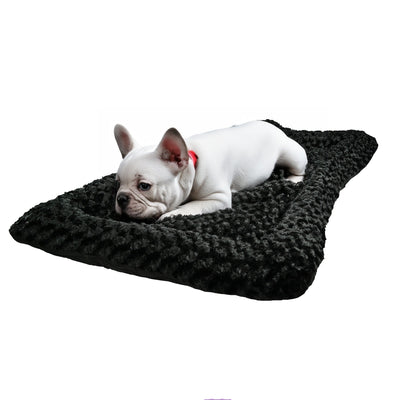
Bed Pick
Dog Bed Rectangle Bolster Furvana™ ‘Cloud’
Cloud-soft is exactly what a lean frame wants — deep, forgiving cushioning that keeps pressure off bony points, with a bolster rim to drape that long neck over and a rectangle shape built for length. See all American-made dog beds and pads.
Shop the Furvana Cloud Bolster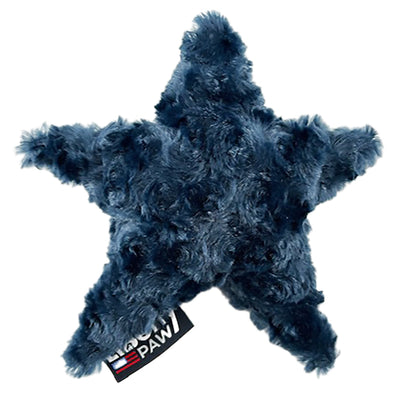
Toy Pick
Patriotic Star Plush Toy
Azawakhs are gentle players who’d rather carry, toss, and shake a soft toy than wrestle it apart. This handcrafted USA-made star is light enough to fling and soft enough for a sighthound’s fine mouth — ideal for indoor chase games on days too cold to run outside. Explore more American-made dog toys.
Shop the Patriotic Star PlushAlways supervise playtime and inspect toys regularly — toy longevity depends on your dog’s chewing style.
10. Adoption and Breeder Tips

Because the breed is rare, expect a wait — and use it. A responsible breeder health tests hips, eyes, heart, and thyroid, socializes puppies deliberately, and asks you as many questions as you ask them. Meet the mother if you can, and walk away from anyone who always has puppies available or talks up the breed’s exotic looks while dodging health questions.
Azawakh-specific and sighthound rescues occasionally place adults, which has a real advantage: with a grown dog, the temperament is already on the table. Ask about containment history, how the dog handles strangers and alone time, and whether it has lived with other animals. Get those answers honestly and an Azawakh will give you quiet, unshakable loyalty for a decade and more.
11. Frequently Asked Questions
Are Azawakhs good family dogs?
They can be, in the right family. Azawakhs are devoted to their own people and usually do well with respectful older children, but they are reserved, sensitive, and fast — a poor match for chaotic homes, rough play, or families wanting an everyone-is-my-friend dog.
How much exercise does an Azawakh need?
Plan on 60–90 minutes daily, including real opportunity to run in a securely fenced area or at a lure coursing club. Long walks alone will not satisfy a dog bred to course gazelle across open desert.
Why is my Azawakh so thin?
It probably isn’t. Visible ribs and a dramatic tuck-up are correct for the breed and reflect the lean build that let these dogs work the Sahel. Emaciation is different from lean — if you are unsure, ask your veterinarian to assess body condition.
Can Azawakhs live with cats or small dogs?
Often yes, with early introductions and steady socialization — many share homes with calm dogs and cats. But the chase instinct is real and hardwired, so supervise around small pets, especially ones that run.
Ready to Welcome a One-of-a-Kind Companion?
At LibertyPaw, every product we carry is proudly made in the USA and tested on our own dogs. Whether your rare-breed athlete needs a cloud-soft bed for a bony frame, a gentle plush toy, or the right brush for a short coat — we’ve got you covered.
Free shipping on qualifying orders • 30-day happiness guarantee • 2% of every sale goes out through our 2% for America promise, supporting K9s For Warriors.
Email us anytime at shop@libertypaw.com — we’re real pet parents here to help!
Toy Safety Disclaimer
Always supervise your dog during playtime and choose toys appropriate for your dog’s size, age, strength, chewing habits, and style of play. Inspect toys regularly for wear, loose parts, tears, cracks, or other damage, and discontinue use if a toy becomes damaged or presents a potential choking, ingestion, or injury hazard.
No dog toy should be considered indestructible. The safety and longevity of any toy depend on the individual dog’s chewing strength, behavior, manner of play, and continued supervision.
Dog Bed & Comfort Product Disclaimer
Choose a bed or comfort product appropriate for your dog’s size, weight, mobility, behavior, and individual needs. Inspect beds and related products regularly for damage, exposed filling, loose components, deterioration, or other conditions that could create a safety hazard.
Dog beds, including products described as orthopedic or supportive, are intended to provide comfort and support. They should not be considered medical devices and are not substitutes for veterinary diagnosis, treatment, rehabilitation, or professional medical advice.
If your dog experiences persistent pain, difficulty standing, mobility problems, changes in sleeping behavior, or other health concerns, consult a licensed veterinarian.
Grooming Product Disclaimer
Use grooming tools and products only as directed and select products appropriate for your dog’s coat type, skin condition, size, age, and individual sensitivities.
Use grooming tools carefully and avoid excessive pressure, pulling, repeated brushing over irritated areas, or use on broken or inflamed skin. Stop using a grooming product or tool if your dog experiences irritation, discomfort, redness, swelling, unusual sensitivity, or another adverse reaction.
Seek guidance from a veterinarian or qualified professional groomer when dealing with severe matting, persistent skin problems, wounds, unusual coat loss, or other conditions that may require professional attention.
Disclaimer
This blog is intended for general informational and educational purposes only and does not replace professional veterinary advice, diagnosis, treatment, or individualized guidance. Every dog is unique, and individual needs may vary based on age, breed, size, health status, activity level, behavior, environment, and individual sensitivities.
Information regarding pet care, nutrition, training, grooming, supplements, toys, beds, accessories, or other pet products should not be interpreted as a guarantee of safety, suitability, performance, durability, or specific health outcomes for every dog. Product selection, use, and results may vary by individual animal.
Always follow applicable product directions, warnings, care instructions, and recommended usage guidelines. Consult a licensed veterinarian or qualified canine professional before making significant changes to your dog’s diet, supplementation, exercise routine, grooming regimen, health care, or other practices that may affect your dog’s health or wellbeing.


0 comments