






Ultimate Peruvian Inca Orchid Guide: Traits, Care, Training & Health Tips
Warm bare skin, an elegant sighthound frame, and 2,000 years of Peruvian history — meet the ancient hairless companion that was buried alongside the people it loved.


1. Introduction to the Breed
Most rare breeds are rare because a job disappeared. The Peruvian Inca Orchid is rare because it survived — more than 2,000 years of it. Long before the Inca Empire, hairless dogs with warm, bare skin and elegant, alert faces were living inside Peruvian homes, appearing in pottery and textiles, and being buried beside the people they belonged to. This was never a novelty animal. It was a companion, and it has been doing that same job since before most modern breeds existed.
We’ll be honest with you the way we’d want a friend to be honest with us: this breed is affectionate, funny, and deeply devoted, but it is not low-maintenance. That bare skin is a real responsibility. It sunburns. It gets cold. It needs washing, moisturizing, and daily attention. And this is a sensitive, people-focused dog that does not do well being left alone or handled roughly. According to the American Kennel Club, the breed comes in hairless and coated varieties and in three sizes — small, medium, and large.
For the right home — one that can offer sunscreen, sweaters, soft places to rest, and real family membership — this ancient Peruvian companion gives back a bond that feels every bit as old as its history.
2. History of the Breed
Archaeological evidence puts hairless dogs in Peru more than two millennia ago, in pre-Inca cultures that painted them onto ceramics, wove them into textiles, and buried them with human remains. That last detail says everything: these dogs held spiritual or status significance to the people who kept them. They were not livestock. They were family.
Their working history is domestic, not rugged. They hunted small game at times, but their most valued trait may simply have been their warmth — bare skin radiates heat, and a Peruvian Inca Orchid in the bed on a cold Andean night was a genuine comfort. The hairless trait was prized and deliberately preserved. The “Inca Orchid” name nods to the elegant, almost flower-like refinement of some lines.
“A Peruvian Inca Orchid is not just a hairless dog. It is an ancient Peruvian companion wrapped in sensitivity and charm.”
That history explains the dog on your couch today. Peruvian Inca Orchids were never bred to work at a distance from people. They were bred to be with people. Their need to be near you, their sensitivity to tone and touch, their reaction to being shut out of family life — none of it is a flaw. It is two thousand years of selective breeding doing exactly what it was designed to do.
3. Physical Characteristics
The skin is the headline. It can be any color, frequently freckled or spotted, and in the hairless variety it is usually accompanied by short hair on the head, tail, and feet. Coated Peruvian Inca Orchids carry short, smooth hair over the whole body. Underneath either version is the same athletic, deep-chested, tuck-waisted frame that moves with real grace.
Height & Weight
Small: 10–16 in, 8–18 lb. Medium: 16–20 in, 18–26 lb. Large: 20–26 in, 26–55 lb.
Coat
Hairless (often with hair on head, tail, and feet) or short, smooth coated.
Signature Traits
Warm bare skin, erect ears, dark alert eyes, long curved tail, elegant build.
Lifespan
Typically 12–15 years with good care and skin protection.
One quirk worth knowing: hairless Peruvian Inca Orchids commonly have incomplete or missing teeth. It is normal for the breed and genetically linked to the hairless trait — but it does mean dental care deserves more of your attention, not less. Keep them lean, and check that exposed skin regularly for dryness, irritation, or sun damage the way you would check a coated dog’s coat for mats.
4. Personality Traits
Owners reach for the same words over and over: clownish, charming, expressive. This is a dog that supervises. It follows you room to room, leans into your hand, invents games, and reads your face with unsettling accuracy. They learn quickly, but they are sensitive to tone — a sharp voice lands harder on this breed than on most.
- Affectionate and people-oriented — wants to be in the room, ideally on the couch
- Playful and clownish — genuinely funny dogs with expressive faces
- Intelligent — quick to learn, quick to notice everything
- Sensitive — gentle handling and gentle training, always
- Vocal — they communicate, so teach a “quiet” cue early
They typically do well with respectful children and with other dogs and cats when introduced properly, though smaller ones need supervision around rough play. And because they bond so hard, separation anxiety is a real risk — build tolerance for alone time deliberately, starting in puppyhood.
5. Care Requirements
Skin Protection
This is the section that separates a thriving Peruvian Inca Orchid from a struggling one. Before outdoor time in bright conditions, apply a dog-safe sunscreen, use shade, or dress the dog — sunburn is not a theoretical risk here, it is the most common preventable problem in the breed. In cold weather, run the logic in reverse: sweaters and coats, and short outings. Bathe regularly with a gentle dog shampoo, moisturize with a vet-approved product, and inspect for dryness, irritation, or new spots every week.
Exercise
Most healthy adults do well with 30–60 minutes of daily activity. They are moderately active, not endurance athletes — brisk walks, fetch, trick training, size-adapted agility or rally, and puzzle toys all suit them. What they want most is to do it with you. Protect that skin outdoors, bring water, and build in rest.
Grooming
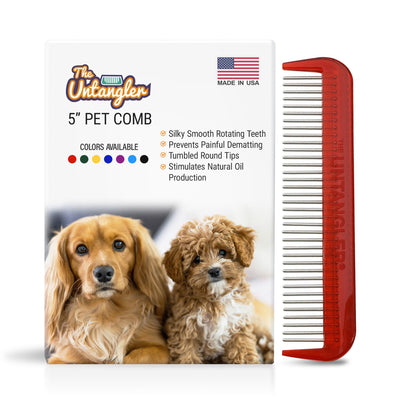
Grooming a hairless dog is mostly skin care, plus nails, ears, and teeth. But the hairless variety still carries hair on the head, tail, and feet, and coated dogs need occasional brushing over the whole body — a fine comb is the right, gentle tool for both.
Grooming Pick
5" Pet Comb
Made in the USA with smooth rotating pins that glide instead of drag — exactly what you want near sensitive skin. Perfect for the tufts on a hairless dog’s head, tail, and feet, and for the short coat of a coated Peruvian Inca Orchid. Browse more American-made pet combs for every coat type.
Shop the 5" Pet CombDiet
Feed a balanced, high-quality diet matched to size and activity level, and keep portions honest — lean is healthy. Some have food sensitivities, so work with your veterinarian if you see recurring upset. Given how common missing teeth are in this breed, ask your vet about dental support and whether your dog’s bite handles hard chews comfortably.
6. Health and Lifespan
Peruvian Inca Orchids commonly live 12–15 years and are generally healthy, with concerns that cluster around the hairless trait. Skin issues top the list — dryness, irritation, sunburn, and secondary infections. Dental problems (missing teeth, overcrowding) are common. Also watch for eye disorders, hypothyroidism, allergies, heart murmurs in some lines, and hip dysplasia in the larger sizes.
Responsible breeders screen hips (in larger dogs), eyes, and hearts, and can show you the paperwork. On your end: routine wellness exams, honest weight management, consistent dental care, and a weekly skin check. Call your vet about skin changes that do not resolve, limping, vision changes, or any sign of dental pain.
7. Training and Socialization
Start early, keep it positive, keep it short. Peruvian Inca Orchids are quick learners who shut down under pressure, so gentle methods and play-based sessions get far more out of them than repetition and correction. Build name recognition, sit, down, stay, come, loose-leash walking, a reliable “quiet” cue, crate comfort, and calm greetings.
Then add the one this breed needs more than most: handling practice. You will be applying sunscreen, moisturizing skin, and brushing teeth for the next fifteen years. A puppy who learns that being touched all over predicts good things becomes an adult who makes all of that easy. Socialize broadly — people, dogs, sounds, surfaces, grooming, new places — and go gently. Under-socialized Peruvian Inca Orchids tend toward shyness and noise.
8. Ideal Home Environment
- Indoor family life — this is not a rugged outdoor dog, full stop
- Owners who will actually do the skin care: sunscreen, moisturizer, clothing in extremes
- Climate control and shade; warm or moderate climates suit them best
- Daily interaction and moderate exercise; apartments are fine if the dog is included
- Patience with vocal announcements and a sensitive temperament
- Supervision with small children, especially with the smaller sizes
9. Best Beds and Toys for Peruvian Inca Orchids
For a dog with no coat of its own, the bed is not furniture — it is thermal equipment. And for a dog this people-focused, the best toys are the ones that pull you into the game.
Bed Pick
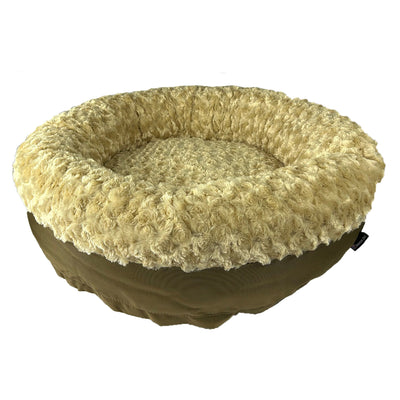
Dog Bed Round Bolster Furvana™
Cloud-soft is the whole point here. The Furvana™ round bolster gives bare skin a gentle, non-abrasive surface to rest on, and the raised rim makes a warm nest for a dog that curls up to hold heat. The washable cover matters more than usual with a hairless breed — clean bedding is skin care. See all American-made dog beds and pads.
Shop the Furvana Round Bolster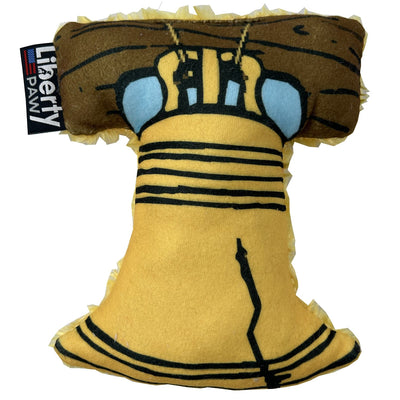
Toy Pick
Liberty Bell Plush Toy
Soft, squeaky, and made in the USA — a gentle plush is a smart match for a sensitive, moderate-jawed companion who plays for fun rather than destruction, and it won’t scuff exposed skin during a game of keep-away. Explore more American-made dog toys.
Shop the Liberty Bell PlushAlways supervise playtime and inspect toys regularly — toy longevity depends on your dog’s chewing style.
10. Adoption and Breeder Tips

Because the breed is genuinely rare, patience pays — and so does skepticism. A responsible breeder health tests (hips where applicable, eyes, heart), socializes puppies early with lots of handling, talks openly about skin care and dental quirks, and asks you as many questions as you ask them. Meet the mother if you can. Be cautious of anyone who sells the hairless look as the whole story while dodging health questions.
Breed-specific and hairless-dog rescues occasionally place wonderful adults — a great way to know exactly what you are getting. Ask about vocal habits, alone-time history, and how the dog handles being touched and dressed. Then be honest with yourself: can you commit to sunscreen, sweaters, weekly skin checks, and daily companionship for the next fifteen years? If the answer is yes, few dogs will love you back harder.
11. Frequently Asked Questions
Are Peruvian Inca Orchids hypoallergenic?
No dog is truly hypoallergenic, but hairless Peruvian Inca Orchids shed very little and produce less dander-carrying hair, which some allergy sufferers tolerate better. Allergens still live in saliva and skin, so spend time with the breed before committing.
Do Peruvian Inca Orchids get sunburned?
Yes, and it is the most common preventable problem in the breed. Use a dog-safe sunscreen, shade, or lightweight clothing before bright outdoor time, and check exposed skin weekly for redness, dryness, or irritation.
Why do Peruvian Inca Orchids have missing teeth?
The gene responsible for hairlessness is also linked to incomplete or missing dentition, so it is normal for the hairless variety. It makes consistent dental care and vet checkups especially important — ask your vet which chews suit your dog’s bite.
Are Peruvian Inca Orchids good family dogs?
Yes, for families who can meet their needs. They are affectionate, playful, and usually good with respectful children and other pets when socialized. They need gentle handling, real skin care, and company — they do not do well left alone for long stretches.
Ready to Welcome a One-of-a-Kind Companion?
At LibertyPaw, every product we carry is proudly made in the USA and tested on our own dogs. Whether your rare-breed companion needs a cloud-soft bed for sensitive skin, a gentle plush toy, or the right comb for those hairless-dog tufts — we’ve got you covered.
Free shipping on qualifying orders • 30-day happiness guarantee • 2% of every sale goes out through our 2% for America promise, supporting K9s For Warriors.
Email us anytime at shop@libertypaw.com — we’re real pet parents here to help!
Toy Safety Disclaimer
Always supervise your dog during playtime and choose toys appropriate for your dog’s size, age, strength, chewing habits, and style of play. Inspect toys regularly for wear, loose parts, tears, cracks, or other damage, and discontinue use if a toy becomes damaged or presents a potential choking, ingestion, or injury hazard.
No dog toy should be considered indestructible. The safety and longevity of any toy depend on the individual dog’s chewing strength, behavior, manner of play, and continued supervision.
Dog Bed & Comfort Product Disclaimer
Choose a bed or comfort product appropriate for your dog’s size, weight, mobility, behavior, and individual needs. Inspect beds and related products regularly for damage, exposed filling, loose components, deterioration, or other conditions that could create a safety hazard.
Dog beds, including products described as orthopedic or supportive, are intended to provide comfort and support. They should not be considered medical devices and are not substitutes for veterinary diagnosis, treatment, rehabilitation, or professional medical advice.
If your dog experiences persistent pain, difficulty standing, mobility problems, changes in sleeping behavior, or other health concerns, consult a licensed veterinarian.
Grooming Product Disclaimer
Use grooming tools and products only as directed and select products appropriate for your dog’s coat type, skin condition, size, age, and individual sensitivities.
Use grooming tools carefully and avoid excessive pressure, pulling, repeated brushing over irritated areas, or use on broken or inflamed skin. Stop using a grooming product or tool if your dog experiences irritation, discomfort, redness, swelling, unusual sensitivity, or another adverse reaction.
Seek guidance from a veterinarian or qualified professional groomer when dealing with severe matting, persistent skin problems, wounds, unusual coat loss, or other conditions that may require professional attention.
Disclaimer
This blog is intended for general informational and educational purposes only and does not replace professional veterinary advice, diagnosis, treatment, or individualized guidance. Every dog is unique, and individual needs may vary based on age, breed, size, health status, activity level, behavior, environment, and individual sensitivities.
Information regarding pet care, nutrition, training, grooming, supplements, toys, beds, accessories, or other pet products should not be interpreted as a guarantee of safety, suitability, performance, durability, or specific health outcomes for every dog. Product selection, use, and results may vary by individual animal.
Always follow applicable product directions, warnings, care instructions, and recommended usage guidelines. Consult a licensed veterinarian or qualified canine professional before making significant changes to your dog’s diet, supplementation, exercise routine, grooming regimen, health care, or other practices that may affect your dog’s health or wellbeing.


0 comments