








Ultimate Morkie Guide: Traits, Care, Training & Health Tips
Four to eight pounds of Maltese devotion and Yorkshire Terrier swagger — the Morkie is proof that the biggest personalities come in the smallest packages.


1. Introduction to the Morkie
Ask anyone who lives with a Morkie to describe their dog and you will hear the same contradiction twice in one breath: tiny and enormous. The Morkie — a deliberate cross between the Maltese and the Yorkshire Terrier — rarely tops eight pounds, yet it will announce the mail carrier with the conviction of a dog four times its size, then curl into the crook of your elbow and sleep for three hours without moving. That combination of vigilance and velcro affection is exactly why the breed has become one of the most sought-after small mixes in America.
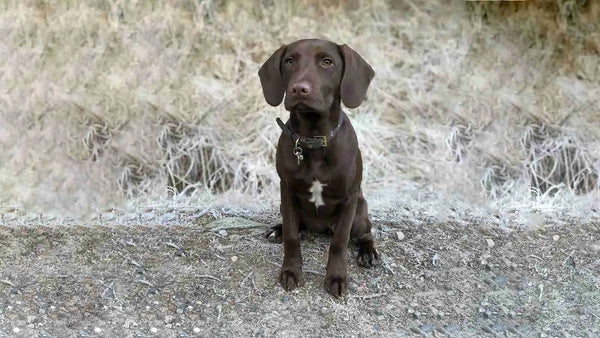
We have a soft spot for this one. Winston, the Morkie you see above, is part of the reason LibertyPaw exists at all — a small dog whose gear kept falling apart sent us looking for American-made alternatives that actually last. You can read the whole story here. So when we say we understand what a five-pound dog needs from a collar, a leash, or a bed, we mean it literally.
This guide covers the Morkie honestly: the silk-soft coat that mats within days if you skip brushing, the barking that needs early management rather than wishful thinking, the dental and blood-sugar vulnerabilities that come with a jaw the size of a walnut, and the genuine joy of a dog who considers your lap the best real estate in the house. Whether you already share your home with a Morkie or you are still deciding, you will leave knowing what the next twelve to fifteen years actually look like.
2. History of the Breed
The Morkie is a modern American creation, but its two parent breeds carry centuries of history between them. The Maltese traces back to the ancient Mediterranean, where it was the pampered companion of Greek and Roman households — a dog bred for no purpose beyond devotion, with the flowing white coat and gentle disposition to prove it. Written references to small white lapdogs on the island of Malta go back roughly two thousand years, which makes the Maltese one of the oldest continuously bred companion dogs on earth.
The Yorkshire Terrier arrived far more recently and from a much grittier world. In the mills and mines of 19th-century Yorkshire, Scottish weavers who had migrated south for work brought small terriers with them, and those dogs were crossed and refined into a compact ratter that could squeeze into tight spaces after vermin. The glamorous show Yorkie of today — floor-length coat, topknot, ribbon — is a Victorian reinvention of a working dog that was originally valued for nerve and tenacity, not looks.
Deliberate Maltese-Yorkie crosses began appearing in the United States in the 1990s and took off through the early 2000s as designer mixes gained mainstream popularity. Breeders were after a specific outcome: the Maltese's sweetness and low-shedding coat paired with the Yorkie's confidence and color variety. The result is a dog that is neither purebred parent and, importantly, is not recognized by the American Kennel Club or any other major registry.
That lack of recognition matters practically. Without a breed standard, Morkies vary far more than a purebred would in size, coat texture, color, and temperament, even within a single litter. It also means the quality of your dog depends almost entirely on the quality of the breeder — there is no governing body enforcing health testing. We cover what to demand in Section 10.
"The Morkie is not a purebred with a rulebook. What you get depends enormously on who bred the parents and whether they tested for the conditions both lines carry."
3. Physical Characteristics
Most adult Morkies stand six to eleven inches at the shoulder and weigh between four and eight pounds, though individuals from larger Yorkie or Maltese lines can reach ten to thirteen pounds. That range is wide because there is no standard; if predictable adult size matters to you, ask the breeder for the weights of both parents and every grandparent they can document.
Height & Weight
Six to eleven inches at the shoulder; typically four to eight pounds, though larger lines reach ten to thirteen.
Coat
Silky, continuously growing hair — straight to loosely curled — in cream, white, gold, apricot, black-and-tan and sable.
Signature Traits
Fine-boned frame, plumed tail carried high, large dark eyes, and ears that may stand, flop, or do one of each.
Lifespan
Typically 11–15 years with attentive dental care, a healthy weight, and twice-yearly vet visits.
Coat and color. The Morkie inherits hair rather than typical fur, which is why the breed is so often described as low-shedding. Texture ranges from the poker-straight silk of a show Maltese to a soft wave or loose curl, and the wavier the coat, the faster it mats. Colors are wonderfully unpredictable: cream, white, gold, apricot, black-and-tan, sable, and every combination in between. Many Morkies are born dark and lighten dramatically over their first two years — the black-and-tan puppy in your photos may be a wheaten adult.

Head and face. Expect large, round, dark eyes set in a compact skull, a small black button nose, and ears that can stand up like a Yorkie's, flop like a Maltese's, or do one of each. The muzzle is short but not brachycephalic, and the beard and moustache hair grows continuously, which is why Morkie faces need trimming and daily wiping.
Body and tail. The frame is fine-boned and level-backed, with a plumed tail carried high and often curved over the back. Those delicate bones are the single most important physical fact about this breed: a Morkie can fracture a leg jumping off a sofa, and a jerk from a poorly fitted collar can injure a windpipe that is barely thicker than a drinking straw. Everything we recommend below flows from that reality.
4. Personality Traits
The Morkie temperament is best understood as two inheritances in constant conversation. From the Maltese comes profound attachment — a dog who wants physical contact, follows you room to room, and reads your mood with unsettling accuracy. From the Yorkshire Terrier comes nerve: alertness, opinions, a willingness to argue, and a bark that arrives before the thought does.
The blend produces a dog who is affectionate and spunky in roughly equal measure. Morkies are typically confident with people they know, playful well into old age, and remarkably intuitive with their primary person. They are also frequently wary of strangers, quick to sound off at unfamiliar noises, and entirely convinced they can handle a Rottweiler if it comes to that.

Two traits deserve honest emphasis before you commit. First, Morkies bark — it is a terrier trait, it is self-reinforcing, and it does not disappear on its own. It can be managed well with early socialization and consistent training, but a household that cannot tolerate a vocal dog should look elsewhere. Second, Morkies are highly prone to separation anxiety. This is a breed that thrives when someone is usually home and struggles genuinely when left alone for nine hours a day. If your schedule is long and unpredictable, plan for a sitter, daycare, or midday visits from the start rather than hoping the dog adapts.
Handled well, though, the payoff is enormous. Morkies are portable, endlessly entertaining, and among the most loyal small dogs you will meet. They suit singles, couples, retirees, and families with older children beautifully. If you are still weighing this mix against its cousins, our Maltipoo guide and Yorkipoo guide walk through the same territory from a different genetic angle.
5. Care Requirements
Exercise
Plan on twenty to thirty minutes of real activity daily, split across two or three short outings rather than one long push. A Morkie's energy is genuine but its stamina is not — small dogs overheat quickly in summer and chill fast in winter, and those fine legs take a beating on long pavement walks. Two ten-minute neighborhood loops plus an indoor fetch session usually hits the mark perfectly.
One firm rule: walk a Morkie on a harness, not a collar. The breed is vulnerable to tracheal collapse, and repeated pressure on the throat from lunging or leash correction is a direct risk factor. Keep the collar for ID tags and good looks, and put the pulling force across the chest instead. Our collars, harnesses and leashes collection is sized down far enough to actually fit a five-pound dog, which is more than most big-box gear manages.

As Seen On Mr. Winston
Sized For Tiny Necks
Trish Hampton American Flag Dog Collar
The small size fits a 9–13-inch neck on a 3/4-inch web — narrow enough not to swamp a Morkie, strong enough to hold a tag securely. Sewn in America, and the one Winston wears in the photo at the top of this page.
Shop This CollarMental Stimulation
A bored Morkie is a barking Morkie. These dogs carry enough terrier wiring to need problems to solve, and fifteen minutes of puzzle work often does more for household peace than another walk. Rotate food puzzles, scatter kibble in a snuffle mat, teach a new trick every couple of weeks, and hide treats around a room for a five-minute search. Nose work in particular suits them — it is low-impact on those fragile joints and mentally exhausting in the best way.
Grooming
This is where Morkie ownership gets real. Because the coat is hair rather than fur, it grows continuously and sheds very little — which sounds like a gift until you understand the trade-off: shed hair that does not fall out stays in the coat and knits itself into mats, usually starting behind the ears, under the collar, in the armpits, and around the rear.
Brush daily. Not weekly, not "a few times a week" — daily, and all the way to the skin. A quick pass over the surface leaves a felted layer underneath that eventually has to be shaved off. Five minutes a day genuinely prevents that. Beyond brushing: bathe every three to four weeks with a dog-specific shampoo (over-bathing strips the coat's oils and makes matting worse), trim the hair around the eyes regularly so it does not scratch the cornea, wipe tear stains daily, clip nails every two to four weeks, and check ears weekly. Many owners keep a Morkie in a short "puppy cut" year-round, which cuts brushing time roughly in half without changing the daily requirement.

Grooming Pick
5-Inch Pet Comb
Rotating stainless-steel teeth turn as they meet a knot, so the tangle slides apart instead of pulling against the skin — which is exactly what you want on a four-pound dog who will not tolerate a painful grooming session. The 5-inch head fits the face, beard and armpits where Morkie mats actually start. Browse more American-made pet combs for every coat type.
Shop This CombDiet
Feed a high-quality small-breed formula with a kibble size those miniature jaws can actually manage. Portions are small enough that a few extra treats represent a meaningful share of daily calories, so measure rather than eyeball — obesity puts direct stress on knees already prone to luxating patellas.
Meal frequency matters more in this breed than most. Morkie puppies are vulnerable to hypoglycemia and should eat three to four times daily; adults do best on two or three meals rather than one. A tiny dog has very little glycogen reserve, and a skipped meal plus a burst of hard play can drop blood sugar fast — watch for wobbliness, glassy eyes, or sudden lethargy, and talk to your vet about keeping a glucose source on hand. Dental disease also makes eating painful, so a dog who suddenly turns down food deserves a mouth check, not a food change.
6. Health and Lifespan
Morkies typically live eleven to fifteen years, and many sail past that with attentive care. The conditions worth knowing are mostly the predictable consequences of being very small, plus a few inherited from both parent lines.
Dental disease is close to universal and deserves top billing — roughly seventy percent of small-breed dogs show periodontal problems by age three. Twenty-eight or more teeth crowded into a tiny jaw trap plaque, gums recede, roots abscess, and untreated infection can seed the heart and kidneys. Brush daily with dog toothpaste, use vet-approved dental chews, and budget for professional cleanings under anesthesia. This is the single highest-return habit in Morkie ownership.
Luxating patella — a kneecap that slips out of its groove — is common in both parent breeds. You will see a skip, hop, or momentarily held-up hind leg. Mild cases are managed with weight control and sensible exercise; severe ones need surgery. Keeping your dog lean and discouraging jumps off furniture genuinely reduces the risk.
Tracheal collapse shows up as a dry, honking cough, often triggered by excitement, pressure on the throat, or heat. Harnesses instead of collars, weight control, and avoiding smoke and airborne irritants all help. Reverse sneezing — a startling snorting fit that resolves in seconds — is common, alarming to watch, and usually harmless.
Portosystemic (liver) shunt is the most serious inherited concern, present in both Maltese and Yorkie lines. A vessel bypasses the liver so toxins circulate unfiltered. Signs include poor growth, a puppy who stays much smaller than littermates, appetite loss, excessive thirst and urination, vomiting, disorientation after meals, or seizures. It is often correctable with surgery when caught early, which is precisely why you should ask a breeder about bile acid testing.
Hypoglycemia in puppies, patent ductus arteriosus and other congenital heart defects, eye conditions (cataracts, progressive retinal atrophy, glaucoma, chronic tear staining), hernias, and hip dysplasia round out the list. Twice-yearly vet visits catch most of this early, and a comfortable orthopedic bed does real preventive work for joints that will develop arthritis eventually. Small dogs live long lives — the goal is making the last third of it as comfortable as the first.
One more caution: avoid "teacup" Morkies. Breeding deliberately for under-four-pound adults amplifies every condition on this page — fragile bones, unstable blood sugar, heart defects, hydrocephalus — and reputable breeders do not advertise the term. A dramatically undersized price tag or a "teacup" label is a reason to walk away.
7. Training and Socialization
Morkies are bright and food-motivated, which makes them quick studies, and stubborn enough to make you earn each behavior twice. Positive reinforcement is not just preferable here, it is close to mandatory: harsh corrections on a dog this small and this attached produce fear and shutdown rather than compliance. Keep sessions to five or ten minutes, pay generously with tiny high-value treats, and end while your dog still wants more.
Socialization is the priority in the first sixteen weeks. Deliberate, positive exposure to strangers, children, other dogs, traffic, elevators, vacuum cleaners, and the vet's office does more to prevent adult reactivity than any amount of later remediation. A Morkie who missed that window can absolutely improve, but you will be managing rather than preventing.
Barking needs a plan from day one. Reward quiet rather than only correcting noise, teach a reliable "enough" cue, and resist the instinct to scoop up a barking dog — being lifted is a reward. House training takes patience: tiny bladders need frequent trips, and cold or wet weather is a real deterrent for a four-pound dog, so many owners pair outdoor training with an indoor backup. Separation training deserves the same deliberate effort — build up alone time in minutes, not hours, starting the week your puppy arrives.
And do not skip leash training just because you can carry the dog. A Morkie who walks politely on a lightweight lead is a Morkie who gets taken places, and that exposure is what keeps a naturally wary breed confident. For more on shaping small-dog behavior, our training and behavior library goes deeper on each of these.

Leash Pick
UpCountry Party in the USA Dog Lead
The narrow 5/8-inch version in five feet is the one to get — a heavy leash and bulky snap hang off a Morkie's harness like an anchor and discourage the very walking you are trying to teach. Woven and finished in the USA, with hardware scaled to the dog rather than the aisle.
Shop This Lead
8. Ideal Home Environment
Morkies are close to ideal apartment dogs. They need very little square footage, they are satisfied by short walks, and their exercise requirements can largely be met indoors on a bad-weather day. What they need instead of space is presence — a home where someone is around most of the day, or where the dog's alone time has been trained for and kept reasonable.
The breed suits singles, couples, retirees, and remote workers particularly well. With children, the honest guidance is older kids: a four-pound dog with fine bones can be seriously hurt by a well-meaning toddler, and the dog's own low tolerance for rough handling can escalate into snapping. Families with young children can absolutely make it work with strict supervision and a dog-free retreat space, but it takes real management.
With other pets, Morkies generally do fine after proper introductions — they were not bred to be dog-aggressive, though the terrier side means they will not back down either. The greater risk is size: a friendly Labrador can injure a Morkie accidentally in ordinary play, so multi-dog households need to think about supervision differently.
Practically, a Morkie-ready home means climate awareness (these dogs need a sweater in real winter and shade in real summer), ramps or steps for favorite furniture instead of four-foot jumps, secure fencing with no gap a five-pound dog can slip through, and hazard-proofing at floor level. Baby gates at staircases are worth every penny. Our lifestyle and ownership advice covers small-dog-proofing in more detail.
9. Best Beds and Toys for Morkies
Small dogs sleep an enormous amount — fourteen to sixteen hours a day is normal — and they are burrowers by instinct. A bolster bed with raised sides gives a Morkie something to press against, which is genuinely calming for an anxiety-prone breed, and supportive foam protects joints that will face arthritis in later years. Get the bed right and you have also solved part of your separation-anxiety problem: a dog with a den has somewhere to settle when you leave.

Bed Pick
Dog Bed Round Bolster Furvana™ — Small
The Small (25-inch outer / 16-inch inner diameter) is right for a Morkie: a full bolster wall to curl against, plush Furvana cover for a dog who sleeps most of the day, and a removable washable cover — which matters when a long-coated dog carries in whatever it walked through. Built in America.
Shop This BedOn toys, scale is everything. A Morkie cannot get its jaw around gear built for a Labrador, and hard rubber chews are a real hazard for teeth already fighting periodontal disease. Soft plush toys are the sweet spot — light enough to carry and shake, satisfying to the terrier prey drive, gentle on a tiny mouth. Supervise plush play, retire anything with a loosening seam before the stuffing comes out, and rotate two or three toys in and out weekly rather than leaving everything on the floor.

Toy Pick
Patriotic Star Plush Toy
Light enough for a five-pound dog to grab, toss and shake — which is the whole game for a terrier-blooded breed — with no hard surfaces to stress fragile teeth. Perfect for the ten-minute indoor fetch sessions that make up most of a Morkie's exercise.
Shop This Toy
Rotation Partner
Liberty Bell Plush Toy
Keep two plush toys in circulation and swap them weekly — novelty is what keeps a smart small dog engaged, and an engaged Morkie barks considerably less than a bored one. Made in America, and a natural companion piece to the Star.
Shop This ToyAlways supervise playtime and inspect toys regularly — toy longevity depends on your dog's chewing style.
10. Adoption and Breeder Tips
Because no registry oversees Morkie breeding, your diligence is the only quality control in the system. Start with health testing and be specific: ask for documentation of bile acid testing or liver screening on both parents (for portosystemic shunt), patella evaluations, cardiac clearance, and eye examination by a veterinary ophthalmologist. A breeder who cannot produce paperwork, or who tells you mixed breeds do not need testing, is telling you something important.
Visit in person. You want to meet at least the mother, see where the puppies actually live, and watch how they respond to a stranger walking in — confident curiosity is good, frozen terror is not. Puppies should not go home before eight weeks, and reputable breeders will have started socialization, handled the puppies daily, provided a health guarantee, and will ask you as many questions as you ask them. Walk away from anyone who will ship a puppy sight-unseen, has multiple litters of multiple breeds always available, meets you in a parking lot, or uses the word "teacup."
Also consider rescue seriously. Maltese and Yorkie breed-specific rescues regularly take in Morkies, small-dog rescues are full of them, and shelters get more than you would expect — often surrendered by owners who underestimated the grooming or the barking. An adult rescue comes with a known temperament, is usually house-trained, and skips the puppy phase entirely. Petfinder and Adopt-a-Pet both let you filter for the mix.
Whichever route you take, budget honestly. Beyond purchase or adoption fees, a Morkie means professional grooming every six to eight weeks if you are not doing it yourself, annual dental care with periodic cleanings under anesthesia, twice-yearly vet visits, and pet insurance that is well worth having in a breed with this many potential congenital issues.
The Morkie is one of dozens of crosses we cover. Explore the full Mixed Dog Breed Guide collection to meet them all.
11. Frequently Asked Questions
Are Morkies hypoallergenic?
No dog is truly hypoallergenic, but Morkies come close in practice. Because they grow hair rather than fur, they shed very little and release less dander into a home, which many allergy sufferers tolerate well. Spend time with an adult Morkie before committing.
Do Morkies bark a lot?
Yes — it is the single most common complaint. The Yorkshire Terrier side brings genuine watchdog instinct, and barking is self-reinforcing once it starts. Early socialization, a reliable "enough" cue, and rewarding quiet all manage it well, but the tendency does not vanish.
How much grooming does a Morkie really need?
Daily brushing to the skin, not weekly. The coat sheds into itself and mats behind the ears, under the collar and in the armpits within days. Add a bath every three to four weeks and professional grooming every six to eight weeks.
Are Morkies good for first-time owners and apartments?
Apartments, yes — they need presence far more than square footage. First-time owners should go in clear-eyed: the grooming is daily, the barking needs training, and separation anxiety is common. Manageable commitments, but not low-maintenance ones.
Ready to Gear Up Your Morkie?
Everything above comes back to the same problem we started with: most pet gear is designed for a fifty-pound dog and then shrunk. LibertyPaw carries American-made collars, leashes, harnesses, grooming tools, beds and toys that are actually engineered for small dogs — because the dog who started this company weighs seven pounds. Whether your Morkie needs a collar that fits a nine-inch neck, a comb that will not pull, or a bolster bed to burrow into, we have you covered.
Want more where this came from? Join the Pack for breed care guides, training tips, subscriber-only discount codes, and first look at new American-made products.
Free shipping on qualifying orders • 30-day happiness guarantee • 2% of every sale supports Veteran Service Organizations like K9s For Warriors.
Email us anytime at shop@libertypaw.com — we are real pet parents here to help!
Toy Safety Disclaimer
Always supervise your dog during playtime and choose toys appropriate for your dog’s size, age, strength, chewing habits, and style of play. Inspect toys regularly for wear, loose parts, tears, cracks, or other damage, and discontinue use if a toy becomes damaged or presents a potential choking, ingestion, or injury hazard.
No dog toy should be considered indestructible. The safety and longevity of any toy depend on the individual dog’s chewing strength, behavior, manner of play, and continued supervision.
Dog Bed & Comfort Product Disclaimer
Choose a bed or comfort product appropriate for your dog’s size, weight, mobility, behavior, and individual needs. Inspect beds and related products regularly for damage, exposed filling, loose components, deterioration, or other conditions that could create a safety hazard.
Dog beds, including products described as orthopedic or supportive, are intended to provide comfort and support. They should not be considered medical devices and are not substitutes for veterinary diagnosis, treatment, rehabilitation, or professional medical advice.
If your dog experiences persistent pain, difficulty standing, mobility problems, changes in sleeping behavior, or other health concerns, consult a licensed veterinarian.
Grooming Product Disclaimer
Use grooming tools and products only as directed and select products appropriate for your dog’s coat type, skin condition, size, age, and individual sensitivities.
Use grooming tools carefully and avoid excessive pressure, pulling, repeated brushing over irritated areas, or use on broken or inflamed skin. Stop using a grooming product or tool if your dog experiences irritation, discomfort, redness, swelling, unusual sensitivity, or another adverse reaction.
Seek guidance from a veterinarian or qualified professional groomer when dealing with severe matting, persistent skin problems, wounds, unusual coat loss, or other conditions that may require professional attention.
Disclaimer
This blog is intended for general informational and educational purposes only and does not replace professional veterinary advice, diagnosis, treatment, or individualized guidance. Every dog is unique, and individual needs may vary based on age, breed, size, health status, activity level, behavior, environment, and individual sensitivities.
Information regarding pet care, nutrition, training, grooming, supplements, toys, beds, accessories, or other pet products should not be interpreted as a guarantee of safety, suitability, performance, durability, or specific health outcomes for every dog. Product selection, use, and results may vary by individual animal.
Always follow applicable product directions, warnings, care instructions, and recommended usage guidelines. Consult a licensed veterinarian or qualified canine professional before making significant changes to your dog’s diet, supplementation, exercise routine, grooming regimen, health care, or other practices that may affect your dog’s health or wellbeing.



0 comments