






Ultimate Bichpoo Guide: Traits, Care, Training & Health Tips
A cloud of curls with a big heart and a quick mind. Here is everything you need to know about the Bichpoo, from its happy-go-lucky personality to the grooming routine that keeps that coat beautiful.


Quick take: The Bichpoo is a cross between a Bichon Frise and a Poodle, usually a Toy or Miniature Poodle. Expect a small dog of 9–15 inches and 6–18 pounds with a soft, curly, low-shedding coat and a cheerful, affectionate, people-focused personality. Bichpoos are smart, adaptable, and well suited to apartments and families, but that curly coat needs regular brushing and professional grooming to stay mat-free.
Want to explore more mixes? Visit the full hub here: Top 50 Mixed Dog Breeds in America.
1. Introduction to the Breed
The Bichpoo, also known as the Poochon, Bichon Poo, or Bich-poo, combines two breeds famous for their curly white coats and sunny dispositions. The Bichon Frise brings a playful, merry spirit and a love of people. The Poodle brings intelligence, trainability, and a coat that sheds very little. Together they produce a small companion that is joyful, easy to train, and happiest at the center of family life.
Bichpoos are often described as “happy dogs.” They greet the day with enthusiasm, love meeting new people, and adapt to almost any routine as long as they get time with their family. They are gentle enough for quiet households and playful enough for active ones.
As with any mix, individual Bichpoos vary. Some have the looser, fluffier curls of the Bichon. Others have the tighter, denser curls of the Poodle. Size depends largely on the Poodle parent. Learning about both breeds helps you know what to expect. Our Poodle guide is a great place to start.
2. History of the Breed
The Bichon Frise descends from small Mediterranean water-spaniel-type dogs. By the Renaissance, Bichons were favorites of European nobility, and later they became popular performers with street entertainers and circuses thanks to their cleverness and charm. The breed arrived in the United States in the 1950s and was recognized by the American Kennel Club in 1972.
The Poodle began as a water retriever in Germany and France, and its intelligence and versatility made it one of the world’s most popular breeds. Toy and Miniature Poodles were developed as companion-sized versions, and they are the usual partners in Bichpoo crosses.
The Bichpoo is believed to have been developed in Australia in the 1990s, where it is commonly called the Poochon. Breeders aimed for a small, low-shedding family dog with a friendly temperament. The mix soon gained popularity in the United States and the United Kingdom. The Bichpoo is not recognized by the AKC, though some hybrid and designer-dog registries list it. Many Bichpoos today are first-generation crosses, with a growing number of multigenerational lines.
3. Physical Characteristics
Typical Size and Weight
Most Bichpoos stand 9–15 inches at the shoulder and weigh 6–18 pounds. Toy Poodle crosses are at the smaller end, while Miniature Poodle crosses are larger. Most reach adult size by about 10–12 months.
Coat and Color
The Bichpoo coat is soft, dense, and curly to wavy. It sheds very little, which makes the mix popular with people who want less hair around the house. Remember that no dog is completely allergen-free, so anyone with allergies should spend time with the specific dog before committing. White and cream are the most common colors, but Bichpoos can also be apricot, gray, silver, brown, black, or a mix of shades.
Distinctive Features
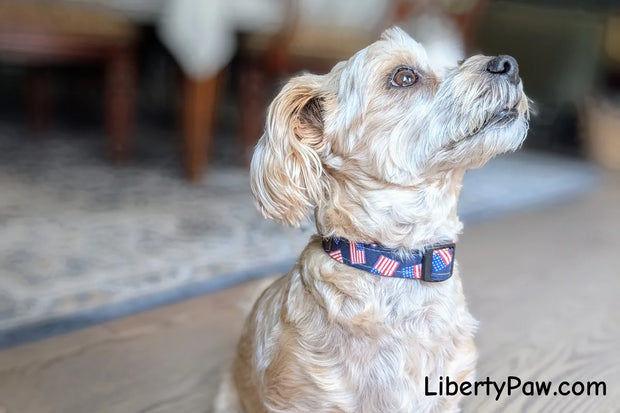
Expect a rounded head, dark round eyes, a black nose, and drop ears covered in curls. The tail is often carried happily over the back. The overall look is soft and teddy-bear-like, especially when the coat is kept in a rounded trim.

Grooming Pick
Untangler PRO Detangling Brush
Curly Bichpoo coats tangle fast. This detangling brush works through curls with less pulling, which keeps grooming sessions calm and comfortable. Made in the USA.
Shop the PRO Brush4. Personality Traits
Bichpoos are cheerful, affectionate, and social. They love people of all ages and usually greet visitors like old friends. They enjoy playtime, but they are just as happy to cuddle on the couch. Many Bichpoos have a playful, clownish side and like to show off tricks for an audience.
They are also sensitive. Bichpoos respond best to gentle handling and a calm household, and they can become anxious if left alone for long periods. Many owners describe them as “Velcro dogs” that want to be wherever their people are.
Bichpoos are generally good with children, especially older kids who know how to handle a small dog gently. Because of their small size, young children should always be supervised. Bichpoos usually get along well with other dogs and cats, particularly when raised with them, and they are rarely aggressive.
“A Bichpoo treats every visitor like a long-lost friend and every family member like a celebrity.”
They can be alert barkers, letting you know when someone is at the door. Teaching a “quiet” cue early keeps this in check. If you like the Bichpoo’s sunny personality, you may also enjoy reading about the Maltipoo and the Porkie.
5. Care Requirements
Exercise Needs
Plan on 30–45 minutes of activity a day. Two short walks plus indoor play are usually enough. Bichpoos enjoy fetch, gentle tug, and exploring new places on leash. Many also enjoy beginner agility and trick classes, which are a great way to burn energy and build confidence.
Because they are small, Bichpoos can get much of their exercise indoors on bad-weather days. Still, daily walks matter for socialization and mental health. Use a lightweight harness and leash, and keep them leashed in unfenced areas.
Mental Stimulation
Bichpoos are bright and enjoy learning. Short training sessions, food puzzles, and hide-and-seek games keep their minds busy. Teaching tricks is especially fun for this mix, since many Bichpoos love attention and praise. A mentally engaged Bichpoo is less likely to bark from boredom or develop anxious habits.
Grooming
Grooming is the biggest commitment with a Bichpoo. The low-shedding coat traps loose hair instead of dropping it, which means tangles and mats form quickly without care. Brush several times a week, ideally daily, working in small sections from the skin outward. Follow with a comb to make sure no tangles remain. Pay extra attention behind the ears, under the legs, along the collar line, and around the tail.
Plan on professional grooming every four to six weeks. Many owners choose a short “puppy cut” that is easier to maintain between appointments. Wipe around the eyes daily to reduce tear staining, check and clean ears weekly, trim nails every two to three weeks, and brush teeth several times a week.

Grooming Pick
Professional Groomer Comb
After brushing, run this comb through the coat from skin to tip. Anywhere it catches is a tangle to work out before it becomes a mat. Made in the USA.
Shop the Groomer CombDiet & Sleeping Habits
Feed a high-quality small-breed food portioned for your dog’s age, weight, and activity level. Small dogs have fast metabolisms but tiny stomachs, so two or three measured meals a day work well for adults. Puppies may need four. Keep treats small and count them in the daily total, because extra weight is hard on small knees.
Bichpoos sleep 12–14 hours a day and love a soft, cozy bed. Many prefer round, bolstered beds they can curl into. Place the bed near family activity so your Bichpoo feels included even while resting.

Bed Pick
Furvana™ Round Bolstered Bed
A round bed with a raised bolster all the way around, made for small dogs that love to curl up and lean in while they sleep. Made in the USA by American Dog.
Shop the Furvana Bed6. Health and Lifespan
Bichpoos often live 12–15 years, and many live longer with good care. Like all mixes, they can inherit conditions from either parent breed. Ask breeders about the parents’ health and watch for these:
- Patellar luxation. A kneecap that slips out of place, common in small breeds. Watch for skipping or holding up a back leg.
- Allergies and skin problems. Bichons are prone to allergies, which can show up as itching, paw licking, redness, or ear infections. Your vet can help identify triggers.
- Bladder stones. Bichons are prone to urinary stones. Watch for straining, frequent urination, or blood in the urine, and see your vet promptly.
- Eye conditions. Cataracts and progressive retinal atrophy (PRA) can occur. Ask about eye exams and DNA testing on both parents.
- Legg-Calvé-Perthes disease. A hip condition in small breeds that usually shows as limping in young dogs.
- Dental disease. Small mouths crowd teeth together, so daily brushing and regular dental care are important.
Regular vet visits, a healthy weight, dental care, and a responsible breeder go a long way toward a long, healthy life. Consider twice-yearly checkups once your Bichpoo reaches its senior years.
7. Training and Socialization
Bichpoos are generally easy to train. They are smart, eager to please, and food-motivated. Positive reinforcement works beautifully: small treats, praise, and play. Keep sessions short and upbeat, five to ten minutes at a time, and end on a success. Because they are sensitive, harsh corrections can make them anxious or fearful.
Start with name recognition, sit, down, stay, come, and leash walking. House training can take patience with small breeds, so take your puppy outside often and reward every success. Crate training provides a safe space and helps with house training and travel.
- Socialize early. Between 8 and 16 weeks, introduce your puppy to new people, friendly dogs, car rides, grooming tools, and everyday sounds in a calm, positive way.
- Build independence. Practice short absences from day one, gradually increasing the time, to help prevent separation anxiety.
- Make grooming routine. Handle paws, ears, and face daily with treats so grooming becomes something your Bichpoo enjoys.
- Teach tricks. Bichpoos love to perform. Tricks build confidence and give their busy brains a job.
A well-trained Bichpoo is a delight to live with and a wonderful ambassador for small dogs. Many go on to earn the AKC Canine Good Citizen title or work as therapy dogs thanks to their friendly nature.
8. Ideal Home Environment
Bichpoos fit almost any home: apartments, condos, townhomes, and houses. They do not need a yard, though they enjoy one. What they need most is companionship. They do best in homes where someone is around much of the day, such as retirees, remote workers, or families with flexible schedules.
They are a good match for first-time owners, seniors, and families with gentle children. They are a weaker match for people who are away for long workdays without a dog walker or daycare, or for owners who do not want to commit to regular grooming.
Bichpoos travel well thanks to their size and friendly nature. Use a secured crate or car harness, and bring familiar bedding and toys to help them settle.
9. Best Toys & Gear for a Bichpoo
Choose soft to medium toys sized for a small mouth. Bichpoos enjoy plush toys, light fetch toys, and puzzle toys. Rotate toys to keep things interesting, and supervise play with anything that could come apart.
The Snuggle Toy
A soft plush to carry, cuddle, and nap with. Many Bichpoos adopt one favorite and carry it everywhere.
The Trick Trainer
Treat pouches and small rewards turn everyday moments into quick training sessions this smart mix loves.
The Puzzle Toy
Food puzzles and snuffle mats keep a clever mind busy, especially on days when walks are short.

Toy Pick
LibertyPaw Plush Fire Hydrant
A soft, small-dog-sized plush made for carrying, gentle tug, and cuddling. A cheerful favorite for a cheerful dog. Made in the USA.
Shop the Plush HydrantWant more USA-made options? Browse the full collection: LibertyPaw American-Made Pet Toys
10. Adoption and Breeder Tips
A responsible Bichpoo breeder health-tests both parents for knees, eyes, and other inherited conditions and shares the results. They let you meet the mother and ideally the father, raise puppies in the home, begin socialization and gentle grooming early, and screen buyers carefully. Good breeders will take a dog back at any age.
Be cautious of breeders who promise a “100% hypoallergenic” puppy, always have litters available, will not share health information, or sell puppies younger than eight weeks. Small, curly mixes are popular with puppy mills, so visit in person whenever possible.
Adoption is a great option too. Bichpoos and other Poodle and Bichon mixes regularly appear in shelters and small-breed rescues. Adult dogs come with known coats, sizes, and personalities, and rescues can tell you how a dog does with kids and other pets.
Before your Bichpoo comes home, set up a cozy bed, a crate, a lightweight harness and leash, a detangling brush and comb, and a few soft toys. Find a groomer and a vet, and book your first appointments. Then get ready for years of curls, cuddles, and happy greetings at the door.
Gear Up for Your Bichpoo
From USA-made detangling brushes and combs to cozy bolstered beds and soft plush toys, LibertyPaw carries American-made gear made for curly little companions.
Toy Safety Disclaimer
Always supervise your dog during playtime and choose toys appropriate for your dog’s size, age, strength, chewing habits, and style of play. Inspect toys regularly for wear, loose parts, tears, cracks, or other damage, and discontinue use if a toy becomes damaged or presents a potential choking, ingestion, or injury hazard.
No dog toy should be considered indestructible. The safety and longevity of any toy depend on the individual dog’s chewing strength, behavior, manner of play, and continued supervision.
Dog Bed & Comfort Product Disclaimer
Choose a bed or comfort product appropriate for your dog’s size, weight, mobility, behavior, and individual needs. Inspect beds and related products regularly for damage, exposed filling, loose components, deterioration, or other conditions that could create a safety hazard.
Dog beds, including products described as orthopedic or supportive, are intended to provide comfort and support. They should not be considered medical devices and are not substitutes for veterinary diagnosis, treatment, rehabilitation, or professional medical advice.
Grooming Product Disclaimer
Use grooming tools and products only as directed and select products appropriate for your dog’s coat type, skin condition, size, age, and individual sensitivities.
Stop using a grooming product or tool if your dog experiences irritation, discomfort, redness, swelling, unusual sensitivity, or another adverse reaction, and seek guidance from a veterinarian or qualified professional groomer for persistent skin problems.
Disclaimer
This blog is intended for general informational and educational purposes only and does not replace professional veterinary advice, diagnosis, treatment, or individualized guidance. Every dog is unique, and individual needs may vary based on age, breed, size, health status, activity level, behavior, environment, and individual sensitivities.
Information regarding pet care, nutrition, training, grooming, supplements, toys, beds, accessories, or other pet products should not be interpreted as a guarantee of safety, suitability, performance, durability, or specific health outcomes for every dog. Product selection, use, and results may vary by individual animal.
Always follow applicable product directions, warnings, care instructions, and recommended usage guidelines. Consult a licensed veterinarian or qualified canine professional before making significant changes to your dog’s diet, exercise routine, grooming regimen, health care, or other practices that may affect your dog’s health or wellbeing.


0 comments