
Ultimate Papillon Guide: Traits, Care, Training & Health Tips
The elegant butterfly-eared companion — the Papillon is a tiny, bright, athletic toy breed known for intelligence, beauty, confidence, friendliness, and a lively personality that feels much bigger than its size.


Want to explore more breeds? Visit the full hub here: Top 50 Purebred Dog Guide.
1. Introduction to the Breed
The Papillon is small, elegant, and full of life. At first glance, this breed may look delicate. Its fine bone, flowing coat, plumed tail, and famous butterfly-like ears give it a refined, almost royal appearance. But behind that graceful look is a bold, energetic, intelligent little dog with a surprisingly athletic spirit.
The Papillon is not just a lap dog. It is a toy dog with drive. This breed loves attention, learning, play, and companionship. Many Papillons are alert, cheerful, curious, and eager to participate in whatever their family is doing. They may be tiny, but they are often confident enough to act like much larger dogs.
That confidence is part of their charm. It is also something owners must guide. Because Papillons are small, people sometimes allow behaviors they would never allow in a larger breed. Jumping, barking, bossiness, pulling, guarding laps, or ignoring commands may seem cute at first. But small dogs need manners too.
A well-trained Papillon is a joy. This breed is highly intelligent and often excels in obedience, agility, trick training, rally, and other dog sports. Papillons are quick learners and enjoy using their brains. They are one of the most trainable toy breeds, especially when lessons are positive, upbeat, and rewarding.
They are also affectionate companions. Many Papillons love being near their people. They may sit beside you, follow you around the house, sleep close by, or perch somewhere with a good view of household activity. They are often lively without being overwhelming and playful without needing hours of hard exercise.
This makes them appealing to many types of homes. Papillons can do well with singles, couples, seniors, and families with respectful children. They can live in apartments, condos, or houses as long as they receive daily interaction, safe exercise, and mental enrichment.
But owners should remember their size. Papillons are small dogs with small bones. Rough play, falls, jumping from furniture, or accidental stepping can cause injury. Children must be taught to handle them gently. This breed needs protection, not pampering. A Papillon thrives when treated like a real dog in a safe, size-appropriate way.
"Small body. Big mind. Bright spirit. The Papillon may be one of the tiniest dogs in the room — and often the most clever."
2. History of the Breed
The Papillon has a long history as a companion dog. Its roots go back to the toy spaniels of Europe, especially those seen in paintings from the Renaissance and later periods. These small, elegant dogs were often shown beside noblewomen, royal families, and members of high society. They were bred for companionship — not hunting, not guarding, not pulling. Their job was to charm, comfort, and stay close to people.
The breed's name comes from the French word "papillon," meaning butterfly. This refers to the breed's large, fringed, upright ears that resemble butterfly wings. Those ears are now one of the most recognizable features in the dog world. There is also a drop-eared version called the Phalène, which means moth in French. The drop-eared variety came first historically, while the erect-eared Papillon became especially popular later. Both types share the same elegant toy spaniel background.
Over time, Papillons became beloved across Europe. They appeared in portraits, sat in royal courts, and became prized as fashionable companions. Their small size made them easy to keep indoors, while their intelligence and lively personality made them more entertaining than passive lap ornaments.
That history still shapes the modern Papillon. This is a breed that wants to be close to people. It wants attention. It wants interaction. It wants to be admired, but it also wants to do things. Unlike some companion breeds that are content with very quiet routines, Papillons often enjoy activity. They are quick, agile, alert, and mentally sharp. Their history as close human companions gave them strong social instincts, while their natural energy made them playful and responsive.
The breed eventually became established in the United States and gained popularity among toy-dog lovers, dog sport competitors, and families looking for a small but lively companion. Today, the Papillon remains one of the most elegant and intelligent toy breeds. It is still beautiful, still affectionate, still alert, and still full of personality. This little dog may have royal roots, but it is far from fragile in spirit. The Papillon is a companion with sparkle.

3. Physical Characteristics
The Papillon is a small, fine-boned toy dog with an elegant outline and lively movement. It is tiny, but it should not look weak. A healthy Papillon should appear light, graceful, alert, and balanced. The breed has a refined structure, but also enough strength and coordination to move confidently.
Papillons typically stand about 8–11 inches at the shoulder and weigh around 5–10 pounds, with a life expectancy of roughly 14–16 years, according to the American Kennel Club. That small size makes them easy to carry, travel with, and keep in smaller homes. But it also means owners must be careful about safety.
A Papillon can be injured by:
- Being dropped
- Being stepped on
- Jumping from high furniture
- Rough play with larger dogs
- Children handling them carelessly
- Slippery floors
- Poorly fitted collars or harnesses
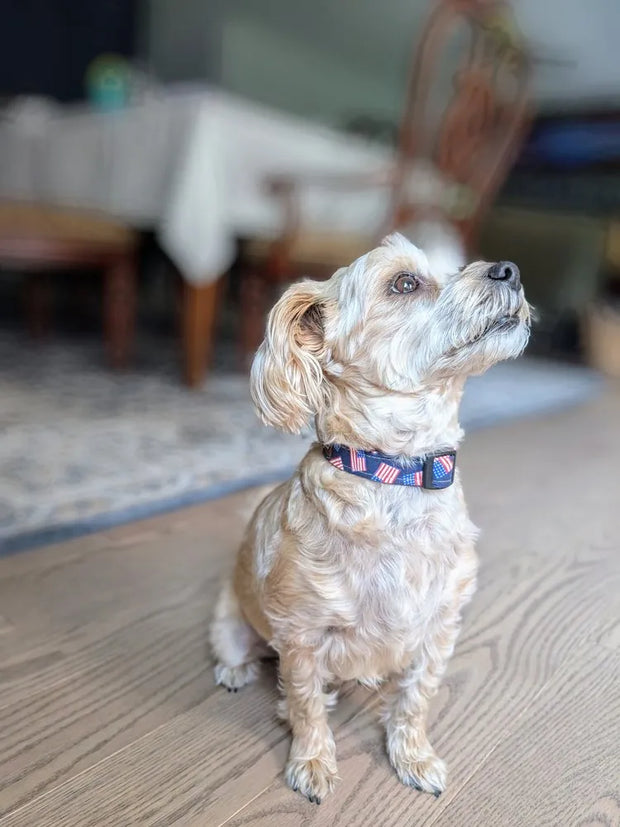
The breed's most famous feature is the ears. The ears are large, fringed, and shaped in a way that gives the breed its butterfly-like expression. They may stand erect in the Papillon type or drop in the Phalène type. Both are charming, but the upright butterfly-ear look is the one most people recognize. The eyes are dark, round, and expressive, and the face should look alert and intelligent. The tail is long, plumed, and carried over the back, adding to the breed's graceful silhouette.
The coat is long, silky, and flowing, but it does not have a heavy undercoat. This makes grooming easier than many people expect. The coat should look elegant, not bulky. Papillons are always parti-color or white with patches of color. Common markings may include:
- White and sable
- White and black
- White and red
- White and lemon
- White and tan
- Tricolor combinations
The coat often frames the ears, chest, legs, and tail beautifully. Despite the elegant coat, the Papillon is not a heavy-duty outdoor breed. Its small body can get cold, and its fine coat offers limited protection from harsh weather.
Papillons should have a light, lively gait. They often move with confidence, quickness, and style, and many enjoy agility and dog sports because they are nimble and athletic. Body condition matters. Because they are so small, even one extra pound can make a noticeable difference. Excess weight can strain knees, joints, heart, and breathing. A healthy Papillon should feel light and firm, not bony and not soft. You should be able to feel the ribs without pressing hard, and the dog should have a visible waist. Tiny dogs need careful weight control — small size does not make obesity harmless. A fit Papillon is graceful, bright, and ready to move.
4. Personality Traits
Papillons are friendly, alert, happy, intelligent, and energetic. They may be small, but they are rarely dull. This breed has a bright, lively personality and often enjoys being involved in every part of family life. A Papillon may follow you through the house, watch from the back of the couch, sit near your desk, or trot confidently into a room as if it owns the place. Many do — at least in their own minds.
Papillons are affectionate without always being lazy. They enjoy lap time, cuddles, and closeness, but they also like play, training, exploring, and mental challenges. This is not a sleepy toy dog with no opinions. This is a thinking companion. Common Papillon personality traits include:
- Friendly
- Alert
- Happy
- Intelligent
- Curious
- Playful
- Affectionate
- Confident
- Quick-learning
- Social
- Energetic
- Sometimes vocal
- Sometimes bossy if spoiled
Papillons are often good with respectful children, but they are not ideal for rough handling. Their small size makes them physically vulnerable. A child who grabs, squeezes, drops, or chases the dog can cause fear or injury. The best child-and-Papillon relationships are gentle and supervised.
Papillons may also do well with other dogs. However, size differences matter. A large playful dog can hurt a Papillon by accident, and even friendly roughhousing can be risky. Some Papillons are bold with much bigger dogs, which can put them in danger if they are not supervised.
This breed can be alert and may bark at sounds, visitors, movement, or excitement. They are often excellent little watchdogs because they notice everything. But barking should be managed early. A Papillon that learns to alert once and then settle is much easier to live with than one that barks at every noise.
Because Papillons are smart, they need mental engagement. They enjoy trick training, obedience games, puzzle toys, short walks, indoor fetch, agility-style games, food puzzles, and learning new commands. This breed often responds beautifully to positive training. They like rewards, they like praise, and they like being clever. Papillons are sensitive enough that harsh correction is unnecessary and can damage confidence. They do best with cheerful structure, clear expectations, and gentle consistency. A well-raised Papillon is delightful; a spoiled Papillon can become bossy. The difference is training.
5. Care Requirements
Papillons are easier to manage than many larger breeds, but they still need thoughtful care. Their small size does not mean they have no needs. They need daily exercise, regular grooming, safe handling, dental care, training, mental stimulation, and close companionship.
Exercise Needs
Papillons are active toy dogs. They do not need miles of running, but they do need daily movement. Many Papillons enjoy walks, play sessions, training games, and indoor activity. Good exercise options include:
- Daily short walks
- Indoor fetch
- Gentle tug games
- Trick training
- Puzzle toys
- Agility-style play
- Scent games
- Supervised yard time
- Play with appropriately sized dogs
Because Papillons are tiny, their exercise should be safe and controlled. Avoid rough dog parks, high jumps, slippery floors, and uncontrolled play with large dogs. A lightweight, well-fitted harness paired with a soft walking lead protects a small neck and keeps daily outings safe for a delicate toy breed. This breed can surprise people with its stamina — some Papillons love long walks and active routines, but exercise should be built gradually. Puppies need careful activity: avoid repetitive jumping, stairs, and high furniture, since a puppy that leaps from a couch or bed can injure itself.
Grooming Needs
Papillons have a long, silky coat that is easier to care for than it looks. Because they do not have a dense undercoat, they are not usually as prone to heavy matting as some long-coated breeds. Still, regular brushing is important. Brush the coat several times per week to prevent tangles and keep the feathering clean. Focus on the ears, chest, behind the legs, tail plume, belly, pants area, and feet. Routine grooming should include:
- Brushing several times per week
- Nail trimming
- Ear checks
- Dental care
- Eye-area cleaning as needed
- Paw checks
- Bathing as needed
Dental care is especially important for Papillons. Small breeds can be prone to dental disease because teeth are crowded in a tiny mouth, so daily brushing or regular dental care can make a major difference.

Super Groom Comb (Detangling)
A Papillon's silky coat and feathered ears need a gentle, effective comb that works through long hair without breaking strands. A quality detangling comb keeps the coat flowing and tangle-free between grooming sessions — and makes routine maintenance comfortable for a small, sensitive dog.
Upgrade Your Grooming RoutinePrefer browsing? Explore the full lineup here: LibertyPaw Grooming Tools
Dietary Considerations
Papillons need a balanced diet appropriate for toy breeds, age, activity level, and body condition. Because they are small, portion control matters — a few extra treats can quickly become too many calories. Good feeding habits include:
- Measure meals
- Use small-breed appropriate food if needed
- Limit table scraps
- Use training treats carefully
- Monitor weight regularly
- Keep fresh water available
- Discuss ideal weight with a veterinarian
Tiny dogs can be picky, but owners should avoid creating unhealthy habits by constantly changing food or offering too many rich extras. A Papillon should stay lean, bright, and energetic. Food should support vitality — not weight gain.

6. Health and Lifespan
Papillons are generally long-lived dogs. Their typical life expectancy is about 14–16 years, which makes them one of the longer-lived companion breeds, and many remain lively well into their senior years. Still, owners should be aware of breed-relevant health concerns. Common Papillon health concerns may include:
- Patellar luxation
- Dental disease
- Eye conditions
- Progressive retinal atrophy
- Neuroaxonal dystrophy
- Heart concerns
- Tracheal sensitivity
- Hypoglycemia in very small puppies
- Injury from falls or rough handling
Patellar luxation is one of the most important orthopedic concerns in small breeds. It occurs when the kneecap slips out of place, causing skipping, limping, discomfort, or long-term joint problems, and responsible breeders should screen for it. Eye health also matters. The Papillon Club of America CHIC guidance includes CAER eye exams and patellar luxation evaluation, along with a health elective such as cardiac screening or DNA testing for PRA1 or NAD.
Dental health deserves special attention. Small dogs often develop tartar, gum disease, and tooth loss if dental care is ignored, so regular brushing, veterinary dental exams, and appropriate chews can help. Because Papillons are small and light, injury prevention is also part of health care. Owners should be careful with high furniture, open staircases, slippery floors, large-dog play, children carrying the dog, jumping from arms, heavy doors, and reclining chairs. A Papillon may be brave, but it is still tiny.
Owners should contact a veterinarian if they notice:
- Limping
- Skipping steps
- Trouble jumping
- Eye cloudiness
- Vision changes
- Bad breath
- Loose teeth
- Coughing
- Fainting
- Sudden weakness
- Weight loss
- Appetite changes
Papillons may be small, but their care should be serious. Long life is best supported by prevention.
7. Training and Socialization
Papillons are highly trainable. They are smart, eager, quick, and responsive, and many enjoy learning new skills and can excel in obedience, rally, agility, trick training, and other activities. Training should begin early — do not wait because the puppy is small. Small dogs need structure just as much as large dogs. Important early skills include:
- Name recognition
- Sit
- Down
- Stay
- Come
- Leave it
- Drop it
- Loose-leash walking
- Place command
- Crate comfort
- Calm greeting
- Handling tolerance
- Quiet cue
Papillons respond best to positive reinforcement. Use small treats, praise, toys, play, short sessions, clear routines, and gentle correction through redirection. Avoid harsh handling — this breed is sensitive and small, and fear-based training can create anxiety, avoidance, barking, or defensive behavior. Because Papillons are intelligent, they can learn bad habits quickly. Do not reward barking, jumping, demanding attention, or bossy behavior by giving in every time. Instead, teach polite alternatives: reward quiet behavior, reward four paws on the floor, reward coming when called, reward settling on a bed, and reward calm greetings.
Leash training matters too. A soft training lead used with positive rewards helps a Papillon learn that pulling, darting, and tangling underfoot are not the way forward — important because those habits can be dangerous for such a small dog. Recall is equally important: even though they are small, Papillons are fast, and a loose Papillon can be hard to catch and vulnerable to cars, wildlife, and larger animals.
Socialization is essential. Papillons should meet the world in a safe, positive way, with exposure to people, sounds, surfaces, dogs, grooming, and everyday environments. Good socialization includes:
- Meeting calm adults
- Seeing respectful children
- Hearing traffic
- Walking on different surfaces
- Visiting pet-friendly stores
- Practicing around other dogs
- Experiencing grooming tools
- Learning car rides
- Settling in a crate
- Being handled gently
Because they are tiny, socialization should not be overwhelming. Protect the puppy from rough dogs, careless people, and scary situations. Confidence grows from safe exposure, not forced exposure. Training gives this breed freedom — a trained Papillon can travel, walk politely, perform tricks, compete, and live confidently, while a spoiled Papillon may become noisy, demanding, and difficult. Smart dogs need guidance, and the Papillon is no exception.
8. Ideal Home Environment
Papillons are highly adaptable dogs. They can live well in apartments, condos, houses, suburban homes, or city environments. Their small size makes them easy to accommodate, but their energy and intelligence mean they still need daily engagement. The ideal Papillon home provides:
- Close companionship
- Gentle handling
- Daily play
- Short walks
- Training
- Safe furniture habits
- Dental care
- Regular grooming
- Protection from rough dogs
- Mental stimulation
Papillons should live indoors with their people. They are companion dogs, not outdoor dogs, and their small bodies are not suited for harsh weather or isolation. They often do well with seniors because they are small, affectionate, and lively without requiring extreme exercise; however, their quick movement can be a tripping hazard, so household awareness is important.
They may also do well with families, but children must be respectful. Papillons are not ideal for toddlers who may grab, squeeze, drop, or chase them. A good family match usually includes children who can understand rules such as: sit on the floor to hold the dog, do not pick up the dog without permission, do not chase the dog, do not pull ears or tail, let the dog rest when it chooses, and use gentle hands.
Papillons can live with other dogs, especially if those dogs are gentle and appropriately matched — large energetic dogs require caution. Cats can be compatible too, especially with slow introductions. This breed may not be ideal for:
- Homes with rough young children
- Owners who dislike barking
- People who want a lazy lap dog only
- Homes with uncontrolled large dogs
- Owners who will not provide training
- People who ignore dental care
- Homes where tiny dogs may be stepped on frequently
Papillons enjoy comfort. A soft bed, warm blanket, and safe resting spot help them feel secure, and because they are light and bony, they often appreciate cushioning. The right home lets a Papillon be both elegant and active — a lap companion, a little athlete, a watchdog, a trick star, a bright shadow with butterfly ears. For small-breed-friendly options, explore LibertyPaw American-Made Pet Toys.
9. Best Beds and Toys for Papillons
Papillons need products that match their tiny size, bright mind, and lively energy. They do not need giant-breed gear. They need safe, lightweight, engaging toys and comfortable rest spaces that support their small frame.
Best Dog Bed for a Papillon
A Papillon benefits from a soft, supportive bed. Even though this breed is tiny, comfort matters. Small dogs can get chilly, and hard floors may not be inviting for long rest. A good Papillon bed should offer:
- Soft cushioning
- Small-dog sizing
- Washable materials
- A cozy shape
- Warmth
- Low entry height
- Support for senior joints
Bolster beds can be especially appealing because many Papillons like to curl up and feel protected. Flat pads can also work well in crates, travel carriers, or quiet corners. For older Papillons, extra cushioning may help support knees, hips, elbows, and spine.

Furvana Cloud Rectangle Bolster Bed
A plush bolster bed in a smaller size gives Papillons the snug, cozy resting experience they prefer. Soft, comfortable, and sized for small breeds that like to curl up or lean against a cushioned edge.
Find the Right Bed for Your PapillonBrowse the full lineup: LibertyPaw Dog Beds & Pads
Best Toys for Papillons
Papillons need toys that encourage movement, thinking, and safe play. Because they are intelligent, they often enjoy puzzle toys and training games. Because they are playful, they may enjoy fetch and tug. Because they are small, toy size matters. Good toy options include:
- Small plush toys
- Lightweight fetch toys
- Mini tug toys
- Treat-dispensing toys
- Puzzle toys
- Soft chew toys
- Squeaky toys for supervised play
- Training toys
Avoid toys that are too large, too heavy, or too hard for a tiny mouth, and also avoid toys small enough to swallow. Papillons often enjoy interactive play more than solo play, and a short tug or fetch session can help burn energy and strengthen the bond. Teach toy rules early: "Take it," "Drop it," "Leave it," and "Wait." Puzzle toys are excellent for rainy days or apartment life — a Papillon that has to think for treats may settle more easily afterward.

LibertyPaw RECON Camo Bone Chew Toy
A fun choice for gentle chewing, light fetch, and supervised enrichment for small dogs that enjoy interactive play. USA-made from rugged firehose material and easy for a Papillon to carry and toss.
Get the RECON Camo Bone Toy
LibertyPaw Firefighter Firehose Tug Toy
A durable option for supervised tug sessions. Choose size-appropriate play and keep tug gentle for a toy breed — the rugged USA-made firehose build holds up to spirited little players.
Shop the Firehose Tug ToyWant more USA-made options? Browse the full collection: Shop LibertyPaw American-Made Dog Toys
Disclaimer: Always supervise your dog during playtime and inspect toys regularly for wear. Discard damaged toys to prevent ingestion hazards. The longevity of any toy is dependent on the chewing style and strength of the individual dog.
10. Adoption and Breeder Tips
Choosing a Papillon should be done carefully. This breed is small, intelligent, and long-lived. The right Papillon can be a joyful companion for many years, while the wrong source can increase the risk of health problems, fearful temperament, poor socialization, or fragile structure. If buying from a breeder, choose someone who prioritizes health, temperament, structure, and responsible placement. Ask about:
- Patella evaluations
- Eye exams
- Cardiac screening
- PRA1 testing
- NAD testing
- Parent temperament
- Puppy socialization
- Dental history
- Size expectations
- Health guarantees
- Return policy
- Breed experience
A responsible breeder should welcome questions. They should also ask you questions. Good breeders care where puppies go and want to know whether you understand small-dog safety, grooming, training, dental care, and the breed's energy level. Be cautious of breeders who:
- Advertise "teacup" Papillons
- Avoid health testing
- Sell puppies with no questions
- Always have many litters available
- Focus only on color or size
- Refuse to discuss parent temperament
- Pressure quick purchases
- Do not provide records
- Minimize small-dog injury risks
"Teacup" language is a warning sign. Papillons are already small, and breeding for extreme tininess can increase fragility and health concerns. Meet the mother dog if possible — she should appear healthy, stable, clean, and well cared for, and puppies should be curious, responsive, and raised with positive handling.
Adoption can also be a wonderful option. Papillon rescues and toy-breed rescues sometimes have adults looking for homes, and adult Papillons can be excellent companions because their temperament, size, and energy level are easier to evaluate. Before adopting, ask:
- Is the dog good with children?
- Is the dog good with other dogs?
- Has the dog lived with cats?
- Is the dog house trained?
- Does the dog bark frequently?
- Is the dog crate trained?
- Does the dog have dental disease?
- Are there knee or eye issues?
- What training does the dog know?
- How does the dog handle grooming?
A newly adopted Papillon may need time to adjust. Provide routine, gentle handling, soft bedding, safe spaces, and patient training. This breed gives a lot — beauty, intelligence, affection, energy, and charm — but it also needs protection, structure, and care. For the right owner, the Papillon is a remarkable little companion. Tiny in size, bright in mind, elegant in appearance, and huge in heart.

Gear Up for Your Papillon
- Shop Dog Toys — lightweight, size-appropriate toys for bright toy breeds
- Shop Dog Beds & Pads — cozy, cushioned rest for small companion dogs
- Shop Grooming Tools — gentle combs and brushes for a silky coat
- Shop Collars, Harnesses & Leashes — safe, well-fitted gear for a small neck
Big Heart, Small Package
Shop American-made dog toys, cozy dog beds, grooming tools, and collars designed for bright, active toy companions like the Papillon.
Disclaimer: This blog is intended for general informational and educational purposes only and does not replace professional veterinary advice, diagnosis, or treatment. Every dog is unique, and individual needs may vary based on age, breed, health status, activity level, and environment. Always consult a licensed veterinarian or qualified canine professional before making changes to your dog’s care routine.


0 comments