




Ultimate Norwegian Lundehund Guide: Traits, Care, Training & Health Tips
Six toes, a neck that bends backward, and ears that fold shut — meet Norway’s puffin-hunting cliff climber, one of the rarest dog breeds on Earth.

1. Introduction to the Breed
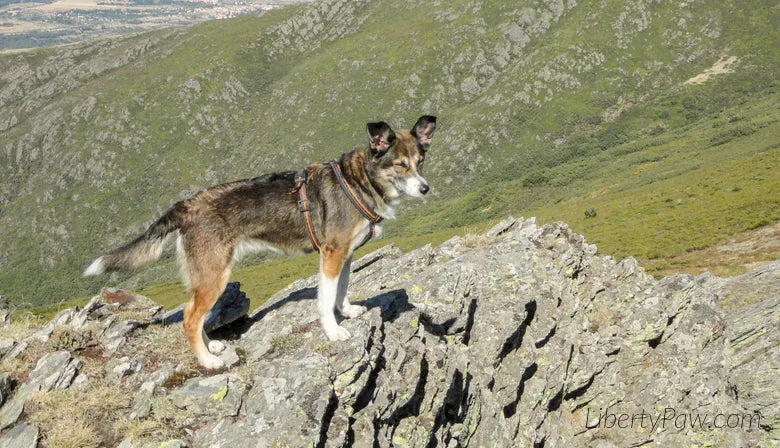
Some dogs were bred to look pretty. The Norwegian Lundehund was bred to do the impossible. With six fully formed toes on each front foot, a neck so flexible the head can bend backward along the spine, and ears that fold closed against wind and debris, this little athlete was purpose-built for one extraordinary job: scaling sheer sea cliffs to retrieve puffins and their eggs from rocky burrows no other dog could reach.
We’ll be honest with you the way we’d want a friend to be honest with us: the Lundehund is not a beginner’s dog, and it is not a couch ornament. It is alert, curious, vocal, independent, and endlessly entertaining — a cliff-climbing problem-solver wrapped in a compact, weather-resistant double coat. According to the American Kennel Club, the breed remains one of the rarest in the world, with dedicated preservation efforts keeping it alive.
For the right family — active owners who love training challenges, respect an independent streak, and can offer secure fencing — the Lundehund gives back loyalty, humor, and a personality as unique as its toes.
2. History of the Breed
For centuries on Norway’s Lofoten Islands and Værøy, Lundehunds were essential partners to puffin hunters. Puffins nested in near-vertical cliffs and narrow crevices, and the Lundehund’s anatomy made it the only dog for the job. Extra toes and strong claws gripped slick rock. The flexible neck let the dog turn around inside tight tunnels. Folding ears kept out dirt and seawater. The dogs retrieved birds and eggs gently, without damage — delicate work demanding precision and independent judgment, because up on the cliffs, no hunter could help them.
In the early 20th century, distemper outbreaks and the decline of puffin hunting nearly wiped the breed out. A handful of dedicated Norwegian enthusiasts rescued the remaining dogs in the 1940s and 1950s, and every Lundehund alive today descends from that tiny group. That history explains the modern dog: an independent thinker, a gifted problem-solver, and — fair warning — a legendary escape artist.
“A Norwegian Lundehund is not just a six-toed dog. It is a living piece of Norwegian coastal history wrapped in agility and charm.”
3. Physical Characteristics
Lundehunds are small, rectangular, sturdy athletes. Males stand about 13–15 inches and weigh 13–16 pounds; females run about 12–14 inches and 10–14 pounds. The dense double coat — red, sable, gray, or black-tipped white, usually with white markings — is weather-resistant and sheds seasonally.
Height & Weight
12–15 inches; 10–16 pounds of lean, agile muscle.
Coat
Dense double coat — harsh outer layer, soft undercoat. Seasonal shedding.
Signature Traits
Six toes per front foot, backward-bending neck, ears that fold shut.
Lifespan
Typically 12–15 years with good care and healthy weight.
Every unusual feature is functional. The extra toes (including double dewclaws) add traction on slippery rock. The elastic neck and shoulders let the dog reverse out of burrows. Because that unique anatomy works hard, body condition matters — extra weight stresses joints and feet, and the thick coat can hide weight gain. You should be able to feel ribs and a waist under all that fur.
4. Personality Traits
Lundehunds are alert, curious, and famously quirky. They bond deeply with their families — often choosing one favorite person — but keep a streak of independence from generations of solo cliff work. They learn fast, then decide whether a command feels worth doing. They spin, hop, yodel, and invent games. Many owners say living with one is like living with a small, furry stand-up comedian who moonlights as an escape artist.
- Alert and observant — an excellent watchdog voice, friendly heart
- Independent problem-solver — puzzles and games beat drills
- Playful and affectionate — on their own terms
- Vocal — teach a “quiet” cue early
- Agile climber — secure fencing is non-negotiable
5. Care Requirements
Exercise
Most healthy adults need 45–70 minutes of daily activity, and mental work counts double with this breed. Agility, scent games, trick training, hikes on varied terrain, and food-puzzle sessions all shine. A bored Lundehund will invent its own entertainment, and you will not like the results — digging, barking, and creative escapes top the list.
Grooming
Brushing once or twice a week keeps the double coat healthy, stepping up to daily passes during seasonal sheds. Those famous feet need extra attention: more toes mean more nails to trim, and pads should be checked after outdoor adventures.
Grooming Pick
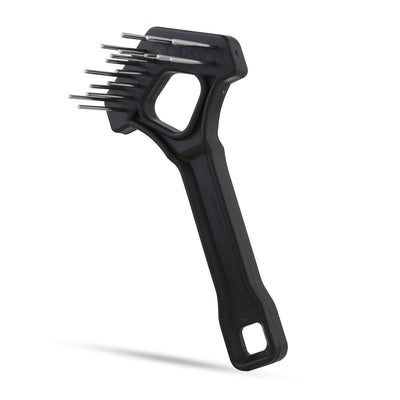
Mini Shedding Rake with Rotating Dual-Row Teeth
Sized right for a small double-coated dog, this made-in-USA rake’s staggered rotating teeth lift loose undercoat gently — ideal for the Lundehund’s face-framing ruff and seasonal blowouts. Browse more American-made undercoat rakes for every coat type.
Shop the Mini Shedding RakeDiet
Feed a balanced, high-quality diet for small active dogs and keep portions honest — a lean Lundehund is a sound Lundehund. Some lines are prone to food sensitivities and digestive issues, so work with your veterinarian if you notice recurring upset.
6. Health and Lifespan
Lundehunds commonly live 12–15 years. Because the surviving gene pool is small, responsible breeding is critical. Concerns to know about include patellar luxation, hip dysplasia, eye disorders, hypothyroidism, skin allergies, and breed-associated digestive problems (sometimes called Lundehund gastroenteropathy). Watch for limping or favoring feet, difficulty rising or jumping, digestive upset, vision changes, or reduced energy — and keep up regular wellness exams, weight checks, and dental care.
7. Training and Socialization
Start early, keep it positive, and keep it short. Lundehunds enjoy training that feels like a puzzle and tune out training that feels like a chore. Reliable recall is essential — this breed can climb fences and squeeze through gaps that would stop dogs twice its size — so off-leash time belongs only in secure areas. Early socialization to people, dogs, sounds, and surfaces builds calm confidence, and handling practice for those six-toed feet makes every future nail trim easier.
8. Ideal Home Environment
- Active or engaged owners with time for daily training and enrichment
- Secure fencing — remember, this is a professional climber
- Patience with vocal announcements and independent thinking
- Respectful children and calm canine housemates are usually fine after proper introductions
- Shade, water, and limited midday exercise in hot climates
9. Best Beds and Toys for Norwegian Lundehunds
Those hard-working joints and one-of-a-kind feet deserve real support at rest, and that busy brain deserves toys with a job to do.
Bed Pick
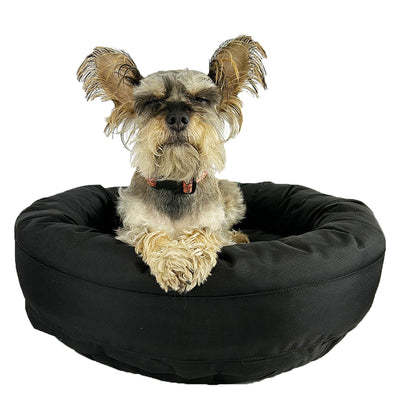
Dog Bed Round Bolster Armor™
An orthopedic-grade round bolster sized for small dogs, with a supportive base that cushions hips, knees, and those famous feet after a day of climbing and zooming — plus a rim made for curl-up security. See all American-made dog beds and pads.
Shop the Armor Round Bolster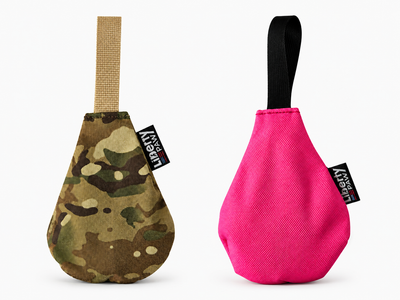
Toy Pick
Water Drop Tug for Dogs
Interactive tug is perfect for a breed that plays best with its people — build in “take it” and “drop it” rules and you’ve got training disguised as fun. Durable, USA-made, and sized for small, quick mouths. Explore more American-made dog toys.
Shop the Water Drop TugAlways supervise playtime and inspect toys regularly — toy longevity depends on your dog’s chewing style.
10. Adoption and Breeder Tips
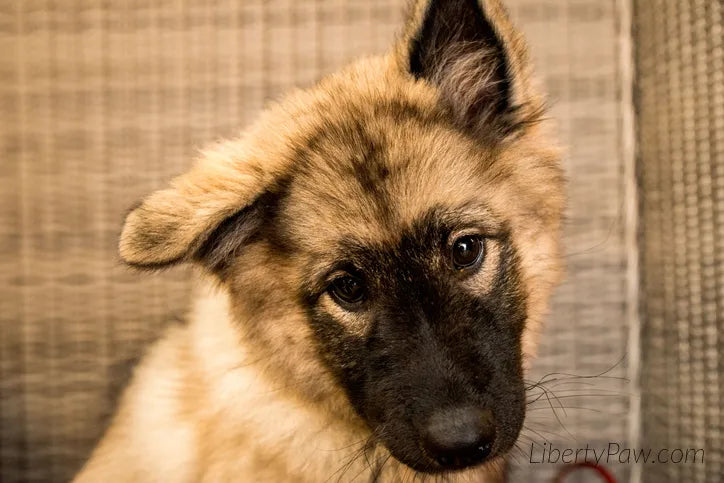
Because the breed is so rare, patience pays. A responsible breeder will show hip and patellar evaluations, eye exams, and available DNA testing, welcome your questions, and ask plenty of their own. Meet the mother if you can, and be cautious of anyone who always has puppies available or focuses on the rare traits while dodging health questions. Rare-breed and Lundehund-specific rescues occasionally place wonderful adults — ask about vocal habits, containment history, and how the dog handles alone time.
11. Frequently Asked Questions
Are Norwegian Lundehunds good family dogs?
Yes, for active families with respectful kids and time for training. They are affectionate and playful but small, agile, and independent — supervision with very young children is a must.
Do Lundehunds really have six toes?
They do — at least six fully formed toes on each front foot, including double dewclaws. The extra grip helped them climb near-vertical sea cliffs on the job.
How much do Norwegian Lundehunds shed?
Their dense double coat sheds year-round with heavier seasonal blowouts. Weekly brushing — daily during shedding season with an undercoat rake — keeps loose hair manageable.
Why are Norwegian Lundehunds so rare?
Distemper outbreaks nearly erased the breed in the early 1900s. Every Lundehund today descends from a handful of survivors, and careful preservation breeding keeps numbers small worldwide.
Ready to Welcome a One-of-a-Kind Companion?
At LibertyPaw, every product we carry is proudly made in the USA and tested on our own dogs. Whether your rare-breed athlete needs a supportive bed, an engaging tug toy, or the right grooming tools for that double coat — we’ve got you covered.
Free shipping on qualifying orders • 30-day happiness guarantee • 2% of every sale goes out through our 2% for America promise, supporting K9s For Warriors.
Email us anytime at shop@libertypaw.com — we’re real pet parents here to help!
Toy Safety Disclaimer
Always supervise your dog during playtime and choose toys appropriate for your dog’s size, age, strength, chewing habits, and style of play. Inspect toys regularly for wear, loose parts, tears, cracks, or other damage, and discontinue use if a toy becomes damaged or presents a potential choking, ingestion, or injury hazard.
No dog toy should be considered indestructible. The safety and longevity of any toy depend on the individual dog’s chewing strength, behavior, manner of play, and continued supervision.
Dog Bed & Comfort Product Disclaimer
Choose a bed or comfort product appropriate for your dog’s size, weight, mobility, behavior, and individual needs. Inspect beds and related products regularly for damage, exposed filling, loose components, deterioration, or other conditions that could create a safety hazard.
Dog beds, including products described as orthopedic or supportive, are intended to provide comfort and support. They should not be considered medical devices and are not substitutes for veterinary diagnosis, treatment, rehabilitation, or professional medical advice.
If your dog experiences persistent pain, difficulty standing, mobility problems, changes in sleeping behavior, or other health concerns, consult a licensed veterinarian.
Grooming Product Disclaimer
Use grooming tools and products only as directed and select products appropriate for your dog’s coat type, skin condition, size, age, and individual sensitivities.
Use grooming tools carefully and avoid excessive pressure, pulling, repeated brushing over irritated areas, or use on broken or inflamed skin. Stop using a grooming product or tool if your dog experiences irritation, discomfort, redness, swelling, unusual sensitivity, or another adverse reaction.
Seek guidance from a veterinarian or qualified professional groomer when dealing with severe matting, persistent skin problems, wounds, unusual coat loss, or other conditions that may require professional attention.
Disclaimer
This blog is intended for general informational and educational purposes only and does not replace professional veterinary advice, diagnosis, treatment, or individualized guidance. Every dog is unique, and individual needs may vary based on age, breed, size, health status, activity level, behavior, environment, and individual sensitivities.
Information regarding pet care, nutrition, training, grooming, supplements, toys, beds, accessories, or other pet products should not be interpreted as a guarantee of safety, suitability, performance, durability, or specific health outcomes for every dog. Product selection, use, and results may vary by individual animal.
Always follow applicable product directions, warnings, care instructions, and recommended usage guidelines. Consult a licensed veterinarian or qualified canine professional before making significant changes to your dog’s diet, supplementation, exercise routine, grooming regimen, health care, or other practices that may affect your dog’s health or wellbeing.


0 comments