





Ultimate Chinook Guide: Traits, Care, Training & Health Tips
A tawny coat, polar-expedition heritage, and a golden retriever heart — meet America’s own rare sled dog, born and bred in New Hampshire.

1. Introduction to the Breed
Most sled dogs were bred far from American soil. The Chinook was born right here — a rare American sled dog developed in New Hampshire, powerful yet affectionate, with a striking tawny coat and a history tied to polar exploration. Behind that sturdy, wolf-like appearance is a dog built to pull heavy loads over long distances in cold climates, then come home and lean against your leg for the rest of the evening.
Owners often describe the breed as having a “golden retriever personality in a sled dog body.” Chinooks are social, trainable, and people-oriented in a way that surprises anyone expecting the aloof independence of other northern breeds. They love being part of family activities, excel at pulling sports, and generally get along well with children and other dogs. According to the American Kennel Club, the Chinook is a large, powerful dog with a dense double coat, a friendly expression, and a balanced build made for endurance and draft work — and it remains one of the rarest AKC breeds.
We’ll be honest with you the way we’d want a friend to be honest with us: this is not a backyard ornament. Chinooks shed, need real exercise, can be vocal, and genuinely suffer when left out of family life. Meet those needs, and you get a loyal, hardworking, deeply loving companion with a calm yet playful spirit.
2. History of the Breed
The Chinook began in the early 1900s on the New Hampshire farm of Arthur Treadwell Walden, who crossed a large Mastiff-type dog with northern sled dogs — possibly including Greenland Dog lines — to produce a strong, trainable sledder with an exceptional temperament. The breed took its name from Walden’s famous lead dog, who served on an Antarctic expedition, and Chinooks went on to earn their keep in sled teams, freight hauling, and even search and rescue work in cold climates.
By the mid-20th century the breed had nearly vanished. A handful of dedicated breeders preserved the remaining lines, and today the Chinook survives thanks to careful, ongoing preservation efforts. That history of close teamwork with humans shaped everything about the modern dog: bred to work in teams and listen to handlers, Chinooks are cooperative, people-focused, and noticeably less independent than most northern breeds — which is exactly why they make such devoted family partners today.
“A Chinook is not just a rare sled dog. It is a powerful working breed with a gentle heart — bred for endurance, strength, and partnership.”
3. Physical Characteristics
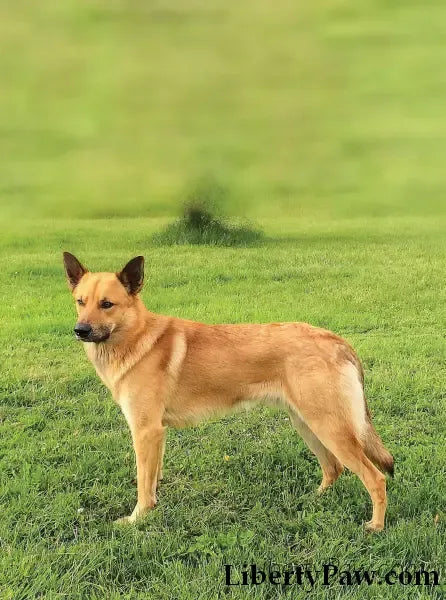
Chinooks are large, athletic dogs with a balanced, rectangular build — strong and capable without looking heavy or clumsy. Males typically stand 24–26 inches and weigh 65–90 pounds; females run 22–24 inches and 50–70 pounds.
Height & Weight
22–26 inches; 50–90 pounds of muscular, tireless draft power.
Coat
Thick tawny double coat with black guard hairs — weather-resistant, sheds seasonally.
Signature Traits
Wolf-like tawny color, dark almond eyes, plumed tail curved over the back.
Lifespan
Typically 12–15 years with good care and a lean body condition.
The breed’s most distinctive feature is that coat: a dense undercoat beneath a medium-length outer coat ranging from light gold to deep red-brown, often with white markings on the chest, feet, and tail tip. Because Chinooks are active working dogs, body condition matters — extra weight stresses joints and cuts endurance, and the thick coat can hide changes. A healthy Chinook should feel sturdy and muscular under your hands, so check condition regularly.
4. Personality Traits
Chinooks are friendly, affectionate, intelligent, and calm — a stable, people-oriented temperament that is unusual among northern working breeds. They want to be near their people, follow the household routine, and take part in whatever the family is doing. Many seem to enjoy everyone they meet, which makes them alert watchdogs but usually too friendly for serious guarding.
- People-oriented — happiest when included in family life, not exiled to the yard
- Intelligent and trainable — learns quickly with positive methods, rarely stubborn
- Playful — enjoys games, pulling activities, and a gentle sense of humor well into adulthood
- Good with kids and dogs — with training, supervision, and proper introductions
- Endurance-oriented — wants a job, exercise, and purpose
A Chinook wants companionship, activity, and a place on the family team. This is not the breed for someone seeking a low-energy or highly independent dog — it shines when given work, exercise, and loving inclusion.
5. Care Requirements
Exercise
Most healthy adults do best with 60–90+ minutes of daily activity, and this breed truly excels at pulling sports. Brisk walks and hikes, sledding, carting, or skijoring (with proper training and equipment), fetch and tug games, obedience work, and snow play all fit beautifully. Chinooks love cool weather; in summer heat, schedule exercise for cooler hours, provide shade and water, and never shave that coat — it insulates in both directions.
Grooming
Grooming is moderate to high. The double coat needs brushing several times a week, stepping up to daily sessions during heavy seasonal sheds. An undercoat rake is the workhorse tool for lifting loose undercoat before it mats or lands on your couch, backed up by a slicker or pin brush. Round out the routine with regular nail trims, ear checks, and dental care.
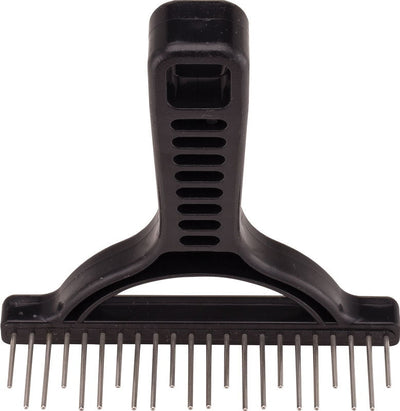
Grooming Pick
Shedding Rake: Staggered 1.25″/1″ Teeth
Built for exactly this kind of coat — two staggered rows of rotating teeth glide through the Chinook’s dense undercoat and lift loose hair without scraping skin. Made in the USA and sized for big seasonal blowouts. Browse more American-made undercoat rakes for every coat type.
Shop the Shedding RakeDiet
Feed a balanced, high-quality diet formulated for large, active dogs: growth support for puppies, protein and calories for working adults, and joint support for seniors. Keep your Chinook lean to protect those hard-working hips and elbows, check body condition regularly, and keep fresh water available at all times.
6. Health and Lifespan
Chinooks commonly live 12–15 years and are generally sturdy dogs, but the breed shares some concerns common to large and northern breeds: hip dysplasia, eye disorders, hypothyroidism, skin issues or allergies, joint strain from size and activity, and cardiac concerns in some lines. Responsible breeders screen hips, eyes, and thyroid, and the Chinook Club of America and AKC recommend appropriate health clearances — ask for records. Between wellness visits, manage weight carefully and watch for limping, vision changes, weight shifts, or reduced energy.
7. Training and Socialization
Start early and keep it positive. Chinooks are intelligent and genuinely enjoy working with their people — they respond to consistency, praise, and play, with short, engaging sessions beating long drills. Prioritize name recognition, sit, down, stay, come, loose-leash walking, a quiet cue, crate training, and calm greetings; reliable recall matters for any strong athletic dog. Socialize thoroughly in puppyhood — people, dogs, sounds, surfaces, grooming, and handling — and keep training going for life. A mentally engaged Chinook is a happier, better-behaved Chinook; a bored one may take up vocalizing or creative mischief.
8. Ideal Home Environment
- Active owners with time for daily exercise, training, and grooming
- Family companionship — this is not an outdoor-only dog
- A secure yard for play (helpful, but no substitute for walks and interaction)
- Cool climate, or air conditioning and careful scheduling in warm regions
- Supervision around small children, simply due to size
- A comfortable, supportive resting place for joints, especially after activity and as they age
A Chinook home should feel active, involved, and purposeful. This breed wants to be part of the working family team.
9. Best Beds and Toys for Chinooks
A big dog with pulling heritage needs real joint support at rest — and play that puts all that draft power to good use.
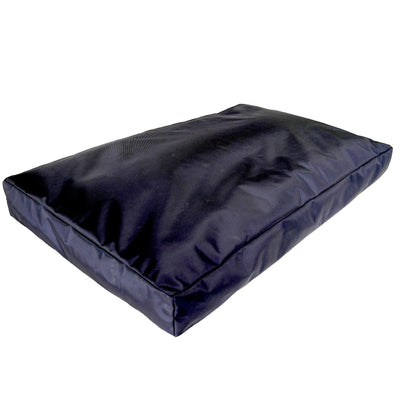
Bed Pick
Dog Bed Rectangle Armor™
Chew-resistant, orthopedic-grade support in a rectangle profile that fits a large, stretched-out sledder. The supportive base cushions hips and elbows after a day of hiking or pulling — exactly what a working breed needs to recover. See all American-made dog beds and pads.
Shop the Rectangle Armor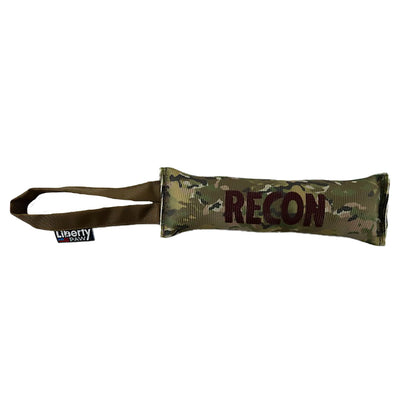
Toy Pick
RECON Camo Firehose Tug Toy
A breed born to pull deserves a tug built to take it. Rugged firehose material stands up to serious draft-dog jaws, and structured tug games — with “take it” and “drop it” rules — give that pulling instinct a healthy outlet. Explore more American-made dog toys.
Shop the RECON Camo TugAlways supervise playtime and inspect toys regularly — toy longevity depends on your dog’s chewing style.
10. Adoption and Breeder Tips
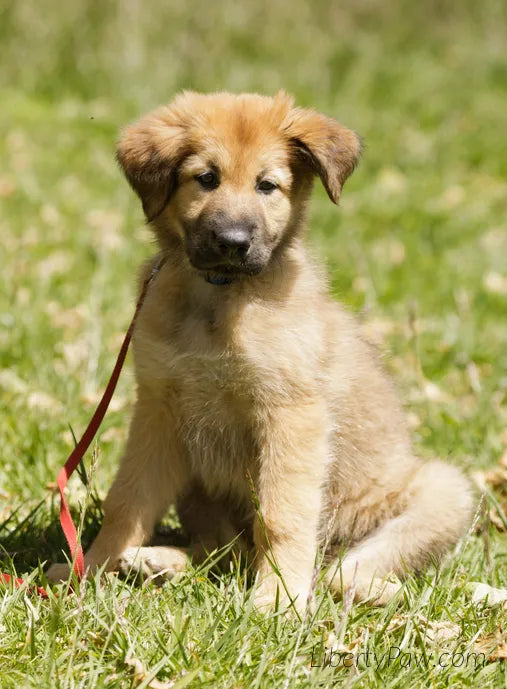
Because the Chinook is one of the rarest AKC breeds, patience pays. A responsible breeder will show health clearances for hips, eyes, and thyroid, socialize their puppies, match temperaments to homes, and welcome your questions about parent evaluations, energy levels, and guarantees. Meet the mother if you can, and be cautious of anyone who dodges health questions or always has puppies available. Chinook-specific and rare-breed rescues occasionally place wonderful adults with known temperaments — an excellent route for many families. Before you commit, be honest about your lifestyle: this breed needs exercise, grooming, training, and genuine inclusion. In the right home, a Chinook gives back loyalty, strength, gentleness, and true partnership.
11. Frequently Asked Questions
Are Chinooks good family dogs?
Yes — exceptionally so for an active family. Chinooks are affectionate, stable, and people-oriented, and they usually do well with children and other dogs. Supervise around small kids simply because of their size.
How much exercise does a Chinook need?
Most healthy adults need 60–90+ minutes of daily activity. Hikes, tug and fetch games, and pulling sports like carting or skijoring are ideal outlets for their working heritage.
Do Chinooks shed a lot?
Yes. The thick double coat sheds seasonally and needs brushing several times a week — daily during blowouts — with an undercoat rake doing the heavy lifting. Never shave the coat.
Why are Chinooks so rare?
The breed nearly disappeared in the mid-20th century and survives thanks to a small group of dedicated preservation breeders. It remains one of the rarest breeds recognized by the AKC.
Ready to Welcome America’s Own Sled Dog?
At LibertyPaw, every product we carry is proudly made in the USA and tested on our own dogs. Whether your rare-breed athlete needs a supportive bed, a tug toy built for pulling power, or the right rake for that double coat — we’ve got you covered.
Free shipping on qualifying orders • 30-day happiness guarantee • 2% of every sale goes out through our 2% for America promise, supporting K9s For Warriors.
Email us anytime at shop@libertypaw.com — we’re real pet parents here to help!
Toy Safety Disclaimer
Always supervise your dog during playtime and choose toys appropriate for your dog’s size, age, strength, chewing habits, and style of play. Inspect toys regularly for wear, loose parts, tears, cracks, or other damage, and discontinue use if a toy becomes damaged or presents a potential choking, ingestion, or injury hazard.
No dog toy should be considered indestructible. The safety and longevity of any toy depend on the individual dog’s chewing strength, behavior, manner of play, and continued supervision.
Dog Bed & Comfort Product Disclaimer
Choose a bed or comfort product appropriate for your dog’s size, weight, mobility, behavior, and individual needs. Inspect beds and related products regularly for damage, exposed filling, loose components, deterioration, or other conditions that could create a safety hazard.
Dog beds, including products described as orthopedic or supportive, are intended to provide comfort and support. They should not be considered medical devices and are not substitutes for veterinary diagnosis, treatment, rehabilitation, or professional medical advice.
If your dog experiences persistent pain, difficulty standing, mobility problems, changes in sleeping behavior, or other health concerns, consult a licensed veterinarian.
Grooming Product Disclaimer
Use grooming tools and products only as directed and select products appropriate for your dog’s coat type, skin condition, size, age, and individual sensitivities.
Use grooming tools carefully and avoid excessive pressure, pulling, repeated brushing over irritated areas, or use on broken or inflamed skin. Stop using a grooming product or tool if your dog experiences irritation, discomfort, redness, swelling, unusual sensitivity, or another adverse reaction.
Seek guidance from a veterinarian or qualified professional groomer when dealing with severe matting, persistent skin problems, wounds, unusual coat loss, or other conditions that may require professional attention.
Disclaimer
This blog is intended for general informational and educational purposes only and does not replace professional veterinary advice, diagnosis, treatment, or individualized guidance. Every dog is unique, and individual needs may vary based on age, breed, size, health status, activity level, behavior, environment, and individual sensitivities.
Information regarding pet care, nutrition, training, grooming, supplements, toys, beds, accessories, or other pet products should not be interpreted as a guarantee of safety, suitability, performance, durability, or specific health outcomes for every dog. Product selection, use, and results may vary by individual animal.
Always follow applicable product directions, warnings, care instructions, and recommended usage guidelines. Consult a licensed veterinarian or qualified canine professional before making significant changes to your dog’s diet, supplementation, exercise routine, grooming regimen, health care, or other practices that may affect your dog’s health or wellbeing.


0 comments