
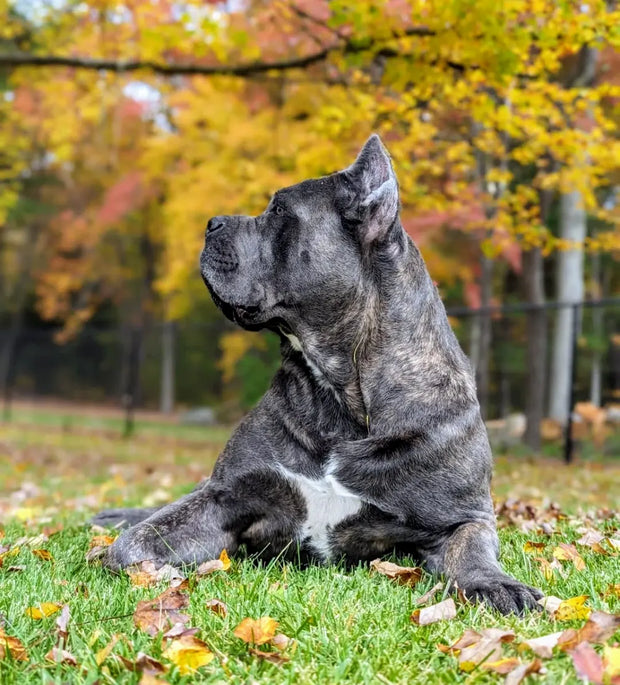







A How-to Guide for Tick Removal From Your Pets
A tick bite takes seconds — the consequences can last months. Here's how to find, remove, and respond to ticks safely and quickly.


Ticks are one of the most commonly overlooked health threats for dogs—not because owners don't care, but because the risks are easy to underestimate until they cause real problems. A tick bite takes seconds. The consequences can last months.
This guide covers where ticks hide on dogs, how to remove them safely, what to watch for afterward, and how to reduce tick exposure throughout the year.
Why Tick Bites Are a Real Problem
Ticks aren't just unpleasant—they're vectors for several serious diseases:
- Lyme disease (Borrelia burgdorferi) — causes joint pain, lameness, kidney disease, and neurological issues in dogs
- Rocky Mountain Spotted Fever — can be fatal if untreated
- Anaplasmosis — attacks white blood cells; causes fever, lethargy, joint pain
- Ehrlichiosis — affects white blood cells; symptoms include fever, weight loss, anemia
- Babesiosis — destroys red blood cells; can cause severe anemia
The CDC tracks tick populations and disease distribution—Lyme disease in particular has expanded its geographic range significantly over the past two decades. What was once primarily a Northeast issue now affects dogs across much of the U.S.
The American Kennel Club recommends year-round tick prevention, regular tick checks after outdoor activity, and prompt removal of any attached ticks.
The AVMA advises consulting your veterinarian about appropriate tick prevention products for your area and your dog's lifestyle.
Where Ticks Hide on Dogs
Ticks prefer warm, sheltered areas with skin access. After your dog has been outside—especially in tall grass, brush, wooded areas, or leaf litter—check these spots systematically:
- Around and inside the ears (ticks love the ear canal)
- Between the toes and around the paw pads
- Under the collar—check skin beneath, not just the collar surface
- Groin area and inner thighs
- Armpits
- Under the tail and around the base of the tail
- Eyelids
Run your fingers slowly through the coat, pressing gently against the skin. A tick before it's fully engorged feels like a small firm bump. An engorged tick feels like a grape or small blister.
How to Remove a Tick Safely
Removal method matters. Incorrect removal increases the risk of disease transmission and leaves tick parts embedded in the skin.
"It takes 3–36 hours for most tick-borne diseases to transmit after attachment — catching and removing ticks quickly significantly reduces disease risk."
What you need
- Fine-tipped tweezers or a dedicated tick removal tool
- Rubbing alcohol
- Gloves (optional but recommended)
- A small container with a tight lid (for tick disposal or saving for testing)
Step-by-step removal
- Use fine-tipped tweezers. Grip the tick as close to your dog's skin as possible, at the head/mouth parts—not the body.
- Pull upward with steady, even pressure. Don't twist or jerk. Slow, consistent upward pressure. This is the most important step.
- Don't squeeze the tick's body. Squeezing can force tick fluids (including potential pathogens) back into your dog.
- Remove completely. Check that the head and mouth parts came out with the body. If parts remain embedded, try again with tweezers—don't dig aggressively.
- Clean the bite area with rubbing alcohol. Also clean your hands.
- Dispose of the tick. Drop it in alcohol, seal it in a bag, or flush it. Do not crush with your fingers.
What NOT to do
- Don't use petroleum jelly, nail polish, or heat to "make the tick back out." These methods don't work and delay proper removal.
- Don't twist or yank—this breaks the tick apart.
- Don't grab by the body—this can inject pathogens into the bite site.
After Removal: What to Watch For
Most tick bites don't cause illness—but monitoring matters.
Immediate area
Some redness and minor swelling at the bite site for 24–48 hours is normal. A circular rash expanding outward (like a bull's-eye) is not—that's a warning sign that warrants a vet call.
Systemic symptoms in the days/weeks after
Contact your veterinarian if you see:
- Lethargy or unusual fatigue
- Loss of appetite
- Fever (normal dog temp is 101–102.5°F)
- Limping or joint swelling
- Vomiting or diarrhea
- Swollen lymph nodes
Lyme disease symptoms in dogs can appear weeks to months after the bite. This is why keeping a mental note of when and where tick exposure occurred is useful—your vet will ask.
Saving the tick
If you're concerned about disease transmission, save the removed tick in a sealed container or bag. Some labs offer tick identification and pathogen testing. Your vet can advise on whether testing is warranted based on the tick type and your geographic area.
Tick Prevention Strategies
Veterinarian-prescribed preventatives
Oral and topical tick preventatives are the most reliable approach for dogs with regular outdoor exposure. Options include monthly oral chewables (like NexGard, Simparica) and topical applications (like Frontline, Advantix). Your vet can recommend based on your dog's health profile and your local tick species.
Environmental awareness
Ticks wait in tall grass and brush at ground level—they don't fly or jump. They grab onto passing animals (or people). High-risk environments include:
- Tall grass and meadows
- Wooded areas, especially leaf litter
- Trail edges
- Yard edges bordering woods or overgrown areas
Keeping grass mowed and clearing brush from yard edges reduces tick habitat around your home.
Post-outing checks
Make tick checks a habit after every outdoor session in tick-prone environments. It takes 3–36 hours for most tick-borne diseases to transmit after attachment—catching and removing ticks quickly significantly reduces disease risk.
A Note on Tick Collars
Tick collars (like Seresto) can provide additional protection, but they work differently than oral preventatives and have limitations—they primarily protect the neck and head area. They're best used as a supplement to rather than replacement for a full prevention strategy.
When to Call Your Vet
Call your vet if:
- You can't fully remove the tick (mouth parts remain embedded)
- The bite site develops expanding redness, significant swelling, or signs of infection
- Your dog develops any systemic symptoms in the weeks following the bite
- You live in a high-Lyme area and want to discuss prophylactic treatment or Lyme vaccination
Keep Your Pup Safe Year-Round
Tick protection starts with the right tools and knowledge — and continues with high-quality, USA-made pet products you can trust. Explore LibertyPaw's full lineup of pet safety essentials made right here in America.
Free shipping on qualifying orders • 30-day happiness guarantee • 2% donated to K9s For Warriors
Toy Safety Disclaimer
Always supervise your dog during playtime and choose toys appropriate for your dog’s size, age, strength, chewing habits, and style of play. Inspect toys regularly for wear, loose parts, tears, cracks, or other damage, and discontinue use if a toy becomes damaged or presents a potential choking, ingestion, or injury hazard.
No dog toy should be considered indestructible. The safety and longevity of any toy depend on the individual dog’s chewing strength, behavior, manner of play, and continued supervision.
Disclaimer
This blog is intended for general informational and educational purposes only and does not replace professional veterinary advice, diagnosis, treatment, or individualized guidance. Every dog is unique, and individual needs may vary based on age, breed, size, health status, activity level, behavior, environment, and individual sensitivities.
Information regarding pet care, nutrition, training, grooming, supplements, toys, beds, accessories, or other pet products should not be interpreted as a guarantee of safety, suitability, performance, durability, or specific health outcomes for every dog. Product selection, use, and results may vary by individual animal.
Always follow applicable product directions, warnings, care instructions, and recommended usage guidelines. Consult a licensed veterinarian or qualified canine professional before making significant changes to your dog’s diet, supplementation, exercise routine, grooming regimen, health care, or other practices that may affect your dog’s health or wellbeing.


0 comments