






Domestic Shorthair
America's versatile and vibrant feline — the beloved "mutt" of the cat world that thrives in any home.


1. America's Versatile and Vibrant Feline
Introduction to the Breed
The Domestic Shorthair, securing the #1 spot among the top cat breeds owned by Americans in 2024, is a versatile and vibrant feline cherished for its diverse coat patterns and adaptable personality. Often referred to as the "mutts" of the cat world, these mixed-breed cats are beloved for their playful, friendly nature, making them ideal for families, singles, or seniors. Their low-maintenance coat and resilient spirit shine in any home, from bustling urban apartments to quiet rural retreats, bringing charm and companionship.
History of the Breed
Domestic Shorthairs have no single origin, evolving naturally over centuries as non-pedigreed cats bred freely across the world. In America, they descend from cats brought by early settlers, valued for their mousing skills on farms and ships. Not a formal breed but a category, they're recognized for their genetic diversity, which contributes to their robust health and varied appearances. Their popularity stems from their accessibility, with many adopted from shelters, making them a staple in American households for their endearing, all-purpose nature.
2. Physical Characteristics
- Typical Size and Weight: Domestic Shorthairs vary widely, typically standing 8–10 inches tall at the shoulder and weighing 6–16 pounds, with a balanced, medium build.
- Coat and Color: Their short, dense coat comes in every imaginable color and pattern, including tabby, solid, bicolor, tortoiseshell, and calico. The coat sheds moderately and is low-maintenance.
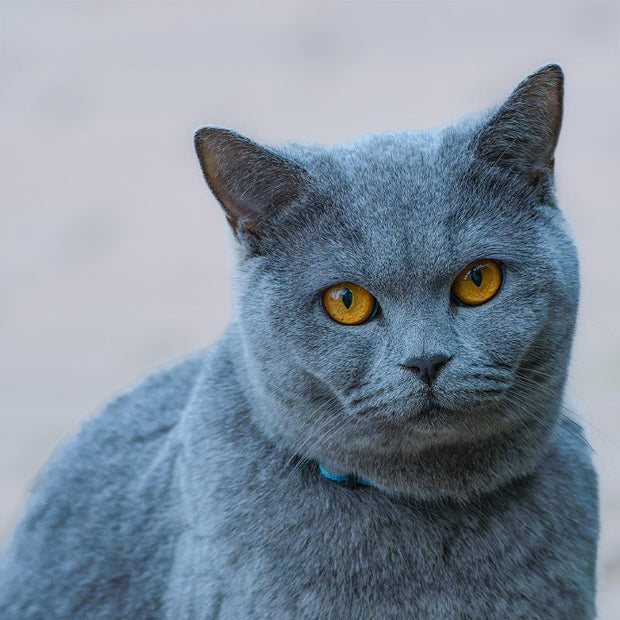
- Distinctive Features: Domestic Shorthairs lack a uniform look but often have expressive eyes, rounded heads, and sleek bodies. Their diverse appearances reflect their mixed heritage.
3. Personality Traits
Domestic Shorthairs are playful, affectionate, and adaptable, with personalities that vary from outgoing to reserved depending on their unique lineage. They form strong bonds with families, enjoying interaction with children and familiar pets, and their curious nature makes them excellent explorers. Some may be vocal, purring or meowing to communicate, while others are quieter. Their intelligence and resilience suit owners of all experience levels who can provide moderate stimulation to prevent boredom-driven behaviors like scratching or hiding.
"Their low-maintenance coat and resilient spirit shine in any home, from bustling urban apartments to quiet rural retreats."
4. Care Requirements
- Exercise Needs: Domestic Shorthairs need 30–60 minutes of daily play, such as chasing toys, climbing cat trees, or interactive games. Mental stimulation through puzzle toys or window perches keeps their curious minds engaged.
- Grooming Needs: Their short coat requires brushing once or twice weekly to manage shedding. Regular ear cleaning, nail trimming, and dental care maintain health, as they can be prone to dental issues.
- Dietary Considerations: A balanced, high-protein diet supports their energy and coat health. Portion control prevents obesity, and foods with omega fatty acids reduce skin sensitivities. Fresh water is essential for their active lifestyle.
5. Health and Lifespan
Domestic Shorthairs have an average lifespan of 12–18 years, often longer due to their genetic diversity. Common health issues include dental disease, obesity, and urinary tract issues. Regular vet checkups, dental cleanings, and a healthy lifestyle mitigate risks. Owners should monitor for weight gain, litter box changes, or dental discomfort and ensure a balanced diet to support overall health. Shelter cats may benefit from early health screenings to address any past neglect.
6. Training and Socialization
Domestic Shorthairs are intelligent and trainable, responding well to positive reinforcement with treats or play. They can learn tricks like "sit" or litter box habits, though their independent streak may require patience. Early socialization ensures comfort with strangers, children, and other pets, reducing shyness or territorial behavior. Teaching behaviors like using a scratching post helps manage their natural instincts. Interactive play or training sessions keep their curious minds engaged.
7. Ideal Home Environment
Domestic Shorthairs thrive in any home, from apartments to spacious houses, making them ideal for urban or rural settings. They suit families, singles, or seniors who enjoy moderate interaction. A secure indoor space with climbing opportunities or window perches satisfies their curiosity. Owners should provide a stimulating environment with toys and scratching posts to prevent boredom and ensure a comfortable setting for their adaptable nature.
8. What's the Best Toy for My Domestic Shorthair?
Domestic Shorthairs enjoy toys that suit their playful, curious nature and moderate energy. Lightweight feather wands encourage chasing and pouncing, providing 10–15 minutes of interactive play to satisfy their hunting instincts. Small, sturdy balls for batting tap into their exploratory side, ideal for 15–20 minute solo or outdoor-like sessions in a secure space. Soft plush toys for wrestling mimic prey, perfect for 10–15 minute play bursts, though supervision prevents tearing. Interactive puzzle toys with treat compartments engage their intelligence, keeping them occupied indoors for 15–20 minutes. Avoid small, easily swallowed toys to prevent choking. Rotate toys regularly and pair with interactive games for engagement.
9. Adoption and Breeder Tips
Since Domestic Shorthairs are mixed-breed cats, adoption from shelters or rescue organizations, such as local humane societies, is the primary route. Visit shelters to assess cat health, observe temperament, and confirm clean, ethical facilities. Ask about medical history, vaccinations, and socialization to ensure a good match. Avoid pet stores or unregulated sources, as they may not prioritize health. For those seeking specific traits, discuss the cat's background with shelter staff to find a healthy, well-adjusted feline suited to your lifestyle.
Recommended American-Made Gear for Your Domestic Shorthair
- USA-Made Cat Toys — durable toys made right here in America
- Cat Beds — cozy spots for your cat to nap and recharge
- Cat Grooming Tools — brushes, combs, and grooming sets for every coat type
- Detangling Brushes — essential for longhair breeds and shedding seasons
- Pet Combs — fine-tooth combs for grooming and flea checks
Gear Up for Your Domestic Shorthair
LibertyPaw carries American-made cat toys, grooming tools, and accessories perfect for your adaptable, playful Domestic Shorthair. Shop USA-made products your cat will love.
Toy Safety Disclaimer
Always supervise your cat during playtime and choose toys appropriate for your cat’s size, age, strength, chewing habits, and style of play. Inspect toys regularly for wear, loose parts, tears, cracks, or other damage, and discontinue use if a toy becomes damaged or presents a potential choking, ingestion, or injury hazard.
No cat toy should be considered indestructible. The safety and longevity of any toy depend on the individual cat’s chewing strength, behavior, manner of play, and continued supervision.
Cat Bed & Comfort Product Disclaimer
Choose a bed or comfort product appropriate for your cat’s size, weight, mobility, behavior, and individual needs. Inspect beds and related products regularly for damage, exposed filling, loose components, deterioration, or other conditions that could create a safety hazard.
Cat beds, including products described as orthopedic or supportive, are intended to provide comfort and support. They should not be considered medical devices and are not substitutes for veterinary diagnosis, treatment, rehabilitation, or professional medical advice.
If your cat experiences persistent pain, difficulty standing, mobility problems, changes in sleeping behavior, or other health concerns, consult a licensed veterinarian.
Grooming Product Disclaimer
Use grooming tools and products only as directed and select products appropriate for your cat’s coat type, skin condition, size, age, and individual sensitivities.
Use grooming tools carefully and avoid excessive pressure, pulling, repeated brushing over irritated areas, or use on broken or inflamed skin. Stop using a grooming product or tool if your cat experiences irritation, discomfort, redness, swelling, unusual sensitivity, or another adverse reaction.
Seek guidance from a veterinarian or qualified professional groomer when dealing with severe matting, persistent skin problems, wounds, unusual coat loss, or other conditions that may require professional attention.
Disclaimer
This blog is intended for general informational and educational purposes only and does not replace professional veterinary advice, diagnosis, treatment, or individualized guidance. Every cat is unique, and individual needs may vary based on age, breed, size, health status, activity level, behavior, environment, and individual sensitivities.
Information regarding pet care, nutrition, training, grooming, supplements, toys, beds, accessories, or other pet products should not be interpreted as a guarantee of safety, suitability, performance, durability, or specific health outcomes for every cat. Product selection, use, and results may vary by individual animal.
Always follow applicable product directions, warnings, care instructions, and recommended usage guidelines. Consult a licensed veterinarian or qualified feline professional before making significant changes to your cat’s diet, supplementation, exercise routine, grooming regimen, health care, or other practices that may affect your cat’s health or wellbeing.


0 comments