

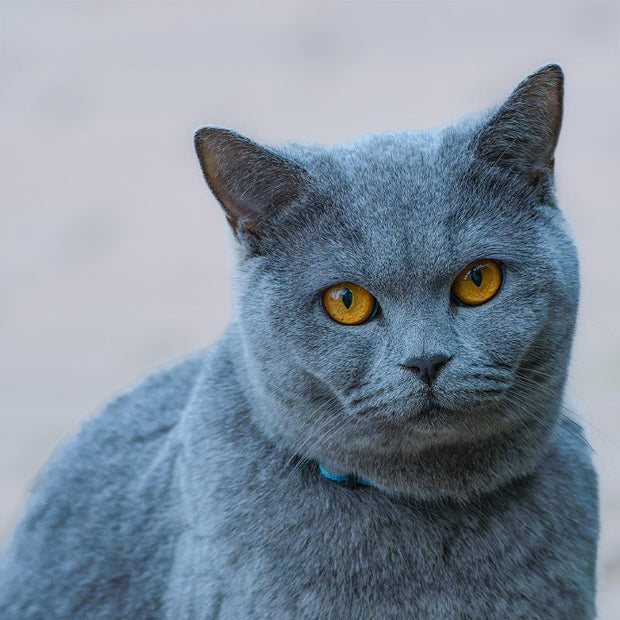






British Shorthair
America's plush, easygoing teddy-bear cat — calm, affectionate, and built for cozy living.


1. Introduction to the Breed
The British Shorthair, securing the #8 spot among the top cat breeds owned by Americans in 2024, is a plush and easygoing feline cherished for its chunky cheeks, dense coat, and calm demeanor. Known for their teddy-bear-like appearance and laid-back personality, British Shorthairs are ideal for families, singles, or seniors seeking a low-maintenance, affectionate companion. Their robust build and gentle nature make them perfect for urban apartments or suburban homes, where their quiet charm and warmth bring comfort.
2. History of the Breed
Originating in the United Kingdom in the 19th century, British Shorthairs were developed from domestic cats bred for their strength and mousing skills, later refined for their distinctive round faces and plush coats. Popularized at early cat shows, they nearly vanished after World War II but were revitalized through selective breeding. Recognized by the Cat Fanciers' Association (CFA) in 1980, British Shorthairs gained U.S. popularity for their roles in cat shows and as family pets, their iconic blue coat and serene temperament making them beloved worldwide.
3. Physical Characteristics
- Typical Size and Weight: British Shorthairs are medium to large, standing 9–11 inches tall at the shoulder and weighing 9–18 pounds (males) or 7–12 pounds (females), with a sturdy, rounded build.
- Coat and Color: Their short, dense, plush coat is crisp and velvety, in colors like blue (most iconic), black, white, tabby, or bicolor. The coat sheds moderately and requires minimal grooming.
- Distinctive Features: British Shorthairs have a round head, large, round eyes (often copper or gold), and small, rounded ears. Their chubby cheeks and solid frame enhance their cuddly, bear-like appearance.
4. Personality Traits
British Shorthairs are calm, affectionate, and independent, with a reserved personality that makes them excellent companions. They form strong bonds with families, enjoying gentle interaction with children and familiar pets, but prefer lounging over constant attention. Their quiet vocalizations, like soft purrs or chirps, reflect their undemanding nature. British Shorthairs are intelligent but low-energy, suiting owners who can provide a peaceful environment and moderate stimulation to prevent boredom-driven behaviors like overeating or scratching.
"Their quiet vocalizations, like soft purrs or chirps, reflect their undemanding nature — the British Shorthair is the ultimate calm companion."
5. Care Requirements
- Exercise Needs: British Shorthairs need 20–40 minutes of daily play, such as gentle chasing games, low cat trees, or interactive toys. Mental stimulation through window perches or simple puzzle toys satisfies their mild curiosity.
- Grooming Needs: Their dense coat requires brushing once or twice weekly to manage shedding and prevent hairballs. Regular ear cleaning, nail trimming, and dental care maintain health, as they're prone to dental issues and obesity.
- Dietary Considerations: A balanced, high-protein diet supports their sturdy build and coat health. Strict portion control prevents obesity, which can strain their joints, and foods with omega fatty acids reduce skin sensitivities. Fresh water is essential for their relaxed lifestyle.
6. Health and Lifespan
British Shorthairs have an average lifespan of 12–17 years. Common health issues include hypertrophic cardiomyopathy (HCM), polycystic kidney disease (PKD), obesity, and dental disease. Regular vet checkups, heart and kidney screenings, and a healthy lifestyle mitigate risks. Owners should monitor for weight gain, lethargy, or dental discomfort and ensure a balanced diet to support overall health. Genetic testing from breeders reduces hereditary concerns, particularly for HCM and PKD.
7. Training and Socialization
British Shorthairs are intelligent and cooperative, responding well to gentle, positive reinforcement training with treats or praise. They easily learn behaviors like using a scratching post or litter box habits, though their reserved nature benefits from short, calm sessions. Early socialization ensures comfort with strangers, children, and other pets, reducing shyness or aloofness. Teaching simple routines keeps their mild curiosity engaged. Gentle play or training prevents boredom-related behaviors like overeating or scratching.
8. Ideal Home Environment
British Shorthairs thrive in calm, secure homes, ideal for urban apartments or suburban settings where they can lounge and relax. They suit families, singles, or seniors who enjoy gentle interaction and a peaceful atmosphere. Indoor spaces with cozy bedding, low climbing structures, or window perches satisfy their minimal exploratory needs. Owners should provide a stress-free environment with toys and scratching posts to prevent boredom and ensure a nurturing setting for their independent nature.
9. Best Toys for Your British Shorthair
British Shorthairs enjoy toys that suit their calm, low-energy nature and sturdy build. Soft plush toys for cuddling or gentle wrestling mimic prey, providing 10–15 minutes of engagement, perfect for their relaxed demeanor, with supervision to prevent tearing. Lightweight feather wands encourage slow swatting or pouncing, ideal for 10–15 minute interactive play sessions to satisfy their mild hunting instincts. Small, sturdy balls for batting offer solo play, suitable for 10–15 minute sessions in a secure space. Simple interactive puzzle toys with treat compartments engage their intelligence, keeping them occupied indoors for 10–15 minutes. Avoid high-energy or small, swallowable toys to protect their comfort. Rotate toys regularly and pair with gentle games for engagement.
10. Adoption and Breeder Tips
Choose breeders affiliated with the CFA or British Shorthair breed clubs, ensuring health clearances for heart (HCM), kidneys (PKD), and dental conditions. Visit the breeder to assess kitten health, meet parents for temperament insights, and confirm ethical practices, including socialization and clean facilities. Rescues like British Shorthair-specific organizations offer adoptable cats, often with known histories. Avoid unregulated breeders or pet stores, as British Shorthairs are prone to health issues if poorly bred. Ask about genetic testing, socialization, and dietary needs to ensure a healthy, well-adjusted cat.
Recommended American-Made Gear for Your British Shorthair
- USA-Made Cat Toys — durable toys made right here in America
- Cat Beds — cozy spots for your cat to nap and recharge
- Cat Grooming Tools — brushes, combs, and grooming sets for every coat type
- Detangling Brushes — essential for longhair breeds and shedding seasons
- Pet Combs — fine-tooth combs for grooming and flea checks
Find the Perfect Gear for Your British Shorthair
LibertyPaw carries American-made cat toys, beds, and grooming tools built for your cat's comfort and your peace of mind.
Toy Safety Disclaimer
Always supervise your cat during playtime and choose toys appropriate for your cat’s size, age, strength, chewing habits, and style of play. Inspect toys regularly for wear, loose parts, tears, cracks, or other damage, and discontinue use if a toy becomes damaged or presents a potential choking, ingestion, or injury hazard.
No cat toy should be considered indestructible. The safety and longevity of any toy depend on the individual cat’s chewing strength, behavior, manner of play, and continued supervision.
Cat Bed & Comfort Product Disclaimer
Choose a bed or comfort product appropriate for your cat’s size, weight, mobility, behavior, and individual needs. Inspect beds and related products regularly for damage, exposed filling, loose components, deterioration, or other conditions that could create a safety hazard.
Cat beds, including products described as orthopedic or supportive, are intended to provide comfort and support. They should not be considered medical devices and are not substitutes for veterinary diagnosis, treatment, rehabilitation, or professional medical advice.
If your cat experiences persistent pain, difficulty standing, mobility problems, changes in sleeping behavior, or other health concerns, consult a licensed veterinarian.
Grooming Product Disclaimer
Use grooming tools and products only as directed and select products appropriate for your cat’s coat type, skin condition, size, age, and individual sensitivities.
Use grooming tools carefully and avoid excessive pressure, pulling, repeated brushing over irritated areas, or use on broken or inflamed skin. Stop using a grooming product or tool if your cat experiences irritation, discomfort, redness, swelling, unusual sensitivity, or another adverse reaction.
Seek guidance from a veterinarian or qualified professional groomer when dealing with severe matting, persistent skin problems, wounds, unusual coat loss, or other conditions that may require professional attention.
Disclaimer
This blog is intended for general informational and educational purposes only and does not replace professional veterinary advice, diagnosis, treatment, or individualized guidance. Every cat is unique, and individual needs may vary based on age, breed, size, health status, activity level, behavior, environment, and individual sensitivities.
Information regarding pet care, nutrition, training, grooming, supplements, toys, beds, accessories, or other pet products should not be interpreted as a guarantee of safety, suitability, performance, durability, or specific health outcomes for every cat. Product selection, use, and results may vary by individual animal.
Always follow applicable product directions, warnings, care instructions, and recommended usage guidelines. Consult a licensed veterinarian or qualified feline professional before making significant changes to your cat’s diet, supplementation, exercise routine, grooming regimen, health care, or other practices that may affect your cat’s health or wellbeing.


0 comments