
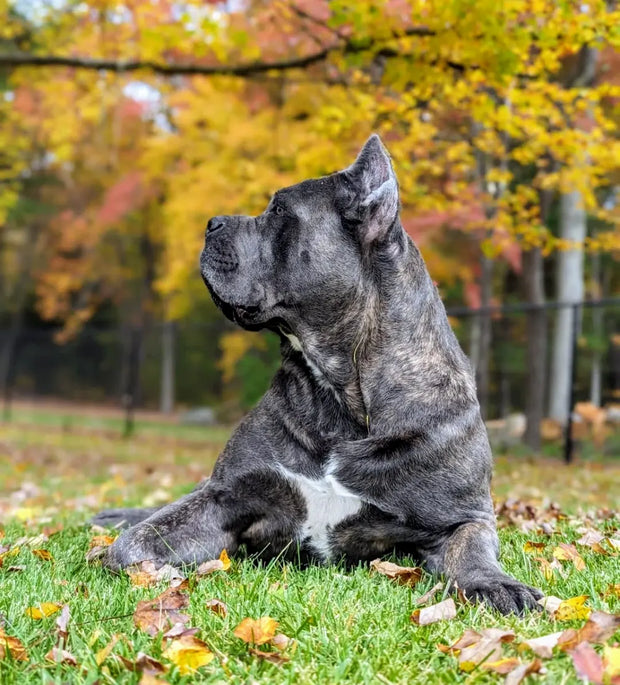







Ultimate Rhodesian Ridgeback Guide: Traits, Care, Training & Health Tips
Strong, athletic, and dignified — the Rhodesian Ridgeback is a loyal, independent African hound bred for endurance and courage, with a famous ridge of hair down its back and a calm, watchful heart.


The Rhodesian Ridgeback is a striking, powerful hound with a calm heart and an athlete's body. Bred in southern Africa to cover rough country for hours, hold dangerous game at bay, and then settle quietly at the family's side, the Ridgeback blends endurance, courage, and devotion in a way few breeds can match. The unmistakable ridge of hair running in reverse down its spine is only the most visible part of its identity.
This is a breed of contrasts. Indoors, a well-exercised Ridgeback is often serene, dignified, and affectionate — content to lean against your leg and watch the household quietly. Outdoors, the same dog can run for miles, lock onto a scent or a moving target, and show the independent drive of its hunting ancestors. Understanding both sides is the key to living happily with this remarkable hound.
1. Introduction to the Breed
The Rhodesian Ridgeback is a large, confident hound originally developed to hunt and guard alongside people in harsh African terrain. Calm indoors yet capable of impressive athleticism outdoors, Ridgebacks suit owners who appreciate a thoughtful, independent dog that bonds deeply with its family. They tend to be steady, quiet, and observant rather than excitable or needy.
A well-raised Ridgeback can be a wonderful companion: loyal, dignified, gentle with its people, and naturally protective without being noisy or reactive. Many owners are drawn to the breed's stoic confidence, its low-fuss short coat, and its blend of strength and elegance. But honesty matters. This is a strong, intelligent, independent hound with a real prey drive and a mind of its own. It is not a push-button obedience breed, and it is not ideal for an owner who wants instant compliance or a dog that lives only to please. The Ridgeback is commonly described as:
- Loyal and devoted to family
- Independent and strong-willed
- Athletic and powerful
- Calm and dignified indoors
- Reserved with strangers
- Intelligent and quick to learn
- Naturally protective without excessive barking
- Driven by a strong prey instinct
- Sensitive to harsh handling
- Affectionate on its own terms
"Rhodesian Ridgebacks are calm indoors yet capable of impressive athleticism outdoors — steady, quiet, and deeply loyal to family."
2. History of the Breed
The Rhodesian Ridgeback's story begins in southern Africa, where European settlers arriving in the 16th and 17th centuries brought their own dogs — mastiffs, scenthounds, sighthounds, and various working breeds. These dogs struggled with the climate, the terrain, the parasites, and the demands of the work. To survive and thrive, settlers crossed their imported dogs with the half-wild ridged dogs kept by the native Khoikhoi people. Those indigenous dogs already carried the distinctive ridge of reversed hair along the spine — and a hardiness perfectly suited to the African bush.
The result was a tough, versatile hound that could handle heat, cover huge distances, guard the homestead at night, and work cooperatively with hunters by day. The breed became closely associated with hunting large game and is often nicknamed the "African Lion Hound." It is important to understand what that role actually involved: Ridgebacks did not kill lions. They worked in packs to track, corner, and harass big game — using speed, agility, and fearless persistence to hold an animal in place and bay until the hunter arrived. This demanded courage, stamina, independent judgment, and a cool head under pressure.
In the 1920s, breeders in what was then Rhodesia (modern Zimbabwe) drew up a written standard to formalize the breed, drawing inspiration from the Dalmatian standard for structure. The Rhodesian Ridgeback was recognized by the American Kennel Club in 1955. Today the breed channels its working heritage into companionship, lure coursing, hiking, jogging, agility, scent work, and family life — but those deep instincts have never left.
Understanding this history explains the modern Ridgeback. It was bred to think for itself in the field, to tolerate discomfort, to guard without constant direction, and to chase moving things with intensity. That is why recall can be unreliable around wildlife, why secure fencing matters, and why patient, respectful training works far better than force. A breed shaped to make its own decisions in the bush will still make its own decisions in your backyard.
3. Physical Characteristics
The Rhodesian Ridgeback is a large, muscular, balanced hound built for speed and endurance rather than bulk. Everything about the breed suggests athletic capability: a deep chest, strong legs, a level topline, and an efficient, ground-covering stride. A fit Ridgeback looks powerful and elegant at the same time.
Typical Size and Weight
Males typically stand 25–27 inches at the shoulder and weigh around 85 pounds. Females are slightly smaller, usually 24–26 inches and about 70 pounds. The build should be athletic and lean, never heavy or coarse. Because this is a deep-chested, large breed, maintaining a fit, healthy weight is important for joint health and overall longevity.
Coat and Color
The coat is short, dense, sleek, and glossy, lying close to the body. Color ranges from light wheaten to red wheaten, sometimes with a small amount of white on the chest and toes and occasionally a black or brown mask. Despite the short coat, Ridgebacks shed moderately year-round, so a little routine grooming goes a long way. Their thin coat and low body fat also mean they feel cold and hard surfaces more than heavier-coated breeds.
Distinctive Features
The breed's hallmark is the ridge — a clearly defined strip of hair along the spine that grows in the opposite direction to the rest of the coat. A correct ridge is symmetrical, starts just behind the shoulders, and tapers toward the hips, ideally featuring two matching whorls (crowns) near the top. Paired with the deep chest, strong neck, and intelligent, watchful expression, the ridge gives the breed its noble, unmistakable silhouette.
Body condition deserves attention. A healthy Ridgeback should have a visible waist, easily felt ribs, firm muscle, and smooth, tireless movement. Because the breed is large and deep-chested, keeping it lean protects the hips, elbows, and spine and supports the active lifestyle it was built for.
4. Personality Traits
The Rhodesian Ridgeback is loyal, intelligent, and independent — a thinking dog rather than a reflexive one. With its own family it is typically affectionate, gentle, and steady, often forming an intense bond with its people and following them quietly from room to room. With strangers it tends to be reserved and aloof, watchful without being aggressive. This makes the breed a natural, low-drama watchdog: it notices everything and announces little.
Ridgebacks are not generally barkers. They rely on presence and awareness rather than noise, which many owners appreciate. Common Rhodesian Ridgeback personality traits include:
- Devoted and affectionate with family
- Reserved and dignified with strangers
- Independent and self-assured
- Highly intelligent but selectively obedient
- Calm and quiet indoors when well-exercised
- Naturally protective and alert
- Strong prey drive toward small animals
- Sensitive — responds poorly to harsh corrections
- Confident and sometimes stubborn
- Playful and clownish with people it trusts
That independence is the heart of the breed. A Ridgeback will often weigh whether a request is worth following, especially when something more interesting is happening. This is not stubbornness for its own sake — it is the legacy of a dog bred to make decisions alone in the field. Owners who take it personally end up frustrated; owners who build genuine cooperation and make training rewarding get a willing, capable partner.
Prey drive is real and should never be underestimated. Cats, rabbits, squirrels, and other small animals can trigger an instant, focused chase. Many Ridgebacks can live peacefully with cats they are raised alongside, but small fleeing animals outdoors are a different matter entirely. Reliable off-leash recall is difficult for many individuals, which is why secure fencing and a dependable leash are essential.
With children, Ridgebacks are often patient and affectionate, but their size and exuberance mean supervision is wise — a happy 85-pound hound can easily knock over a toddler by accident. Early, positive socialization helps the breed grow into the confident, balanced adult it is meant to be. Same-sex dog tension can appear in some lines, so thoughtful introductions matter.
5. Care Requirements
Rhodesian Ridgebacks are moderate-maintenance dogs in some respects — the short coat is easy, and a well-exercised adult is calm in the house — but they still need real daily investment in exercise, mental engagement, secure management, and consistent care. A bored, under-exercised Ridgeback can become restless, destructive, or escape-minded.
Exercise Needs
Most healthy adult Ridgebacks need roughly 60–90 minutes of exercise per day, ideally split into purposeful activity rather than aimless backyard time. Long walks, hiking, jogging, controlled running, lure coursing, and structured play all suit the breed beautifully. As former endurance hunters, they have impressive stamina and genuinely enjoy covering ground with their person. Once their needs are met, most are content to settle and relax indoors.
Because this is a large, powerful, prey-driven hound, dependable walking gear is essential. A strong, well-fitted harness and a quality leash give you real control if your Ridgeback locks onto a squirrel or another dog mid-walk, and secure fencing is a must at home. Explore American-made collars, harnesses, and leashes built for strong, athletic dogs. Take care with growing puppies, though — avoid forced running, repetitive jumping, and hard-impact exercise until the joints have matured, and build conditioning gradually.
Mental Stimulation
An intelligent, independent breed needs to use its mind, not just its body. Scent games, food puzzles, short reward-based training sessions, lure coursing, new tricks, and varied walking routes all help keep a Ridgeback satisfied. Because they bore quickly with repetition, mixing things up matters more than drilling the same cue over and over. A mentally engaged Ridgeback is far less likely to invent its own entertainment at your furniture's expense.
Grooming Needs
Grooming is one of the easiest parts of Ridgeback ownership. The short, sleek coat needs only weekly brushing to remove loose hair, distribute natural oils, and keep the skin healthy — though shedding does continue year-round. A simple comb or grooming mitt is usually all you need, and the breed rarely requires more than the occasional bath thanks to its naturally clean, low-odor coat.

Grooming Pick
Super Groom 2 Pet Comb
A short, sleek coat benefits from a simple tool that lifts loose hair without irritating the skin. A quality comb helps manage year-round shedding and keeps a Ridgeback's coat smooth with minimal effort.
Upgrade Your Grooming RoutineRound out the routine with regular nail trims, weekly ear checks, and consistent dental care. Because Ridgebacks have such short fur and lean bodies, pay attention to their comfort in cold weather and on hard floors. Browse the full range of USA-made grooming tools to keep the coat and skin in great shape.
Dietary Considerations
A high-quality, protein-forward diet supports the Ridgeback's lean muscle and endurance. Feed measured meals appropriate to age, size, and activity level, and keep your dog lean — excess weight strains the joints of a large, deep-chested breed. Because Ridgebacks are prone to bloat (gastric dilatation-volvulus), avoid heavy exercise immediately before and after meals, consider splitting the daily ration into two meals, and ask your veterinarian about slow-feeding strategies. Fresh water should always be available, especially after exercise.
6. Health and Lifespan
The Rhodesian Ridgeback is generally a hardy, athletic breed with a typical life expectancy of about 10–12 years. Responsible breeding, preventive veterinary care, a lean body condition, and sensible conditioning all support a long, comfortable life. Still, prospective owners should know the conditions that appear in the breed:
- Hip dysplasia
- Elbow dysplasia
- Dermoid sinus (a breed-specific congenital condition along the spine)
- Bloat / gastric dilatation-volvulus (GDV)
- Hypothyroidism
- Degenerative myelopathy
- Eye conditions, including cataracts
- Certain cancers
- Dental disease
- Obesity if overfed and under-exercised
Dermoid sinus is the condition most uniquely associated with the breed — a tube-like skin defect that can occur along the spine and is checked for at birth by responsible breeders. Bloat is the most urgent everyday risk: as a large, deep-chested dog, the Ridgeback is vulnerable to this life-threatening emergency, so learn the warning signs (a distended abdomen, unproductive retching, restlessness, drooling) and seek immediate veterinary care if they appear. Responsible breeders screen breeding dogs for hip, elbow, eye, and thyroid health, and prospective owners should ask to see those clearances.
Joint health deserves special attention in such an athletic, large-framed breed. Years of running, jumping, and hard play place real demand on the hips, elbows, shoulders, and spine. Keeping your Ridgeback lean is the single most powerful thing you can do, and for active adults and aging dogs some owners add a joint-support supplement under veterinary guidance.
Contact your veterinarian promptly if you notice limping or stiffness, signs of bloat, a lump or draining tract along the spine, changes in vision, unexplained weight changes, low energy, weakness in the hind end, or any sudden change in appetite or behavior. Ridgebacks are stoic and may mask discomfort, so attentive observation is part of good ownership.
7. Training and Socialization
Training a Rhodesian Ridgeback calls for patience, consistency, and calm, confident leadership. These dogs are intelligent and learn quickly — but as independent thinkers, they need a reason to comply. Harsh corrections backfire badly with this sensitive breed, producing avoidance, distrust, or stubborn shutdown. Short, varied, reward-based sessions that keep things interesting and respect the dog's dignity work far better than repetition or force.
Start early and prioritize the foundations:
- Name recognition and focus
- Sit, down, stay
- A strong, heavily rewarded recall (always positive, never punished)
- "Leave it" and "drop it" — essential for a prey-driven hound
- Loose-leash walking, taught early before the dog reaches full size and strength
- Calm greetings and impulse control
- Crate comfort and a settled "off switch"
- Handling tolerance for grooming, nails, and vet visits
Loose-leash manners are especially important. A pulling 85-pound hound is a genuine handful, so teach polite walking while the puppy is still small and reinforce it with dependable gear. A well-fitted harness and a quality leash or long-line let you practice recall and control safely without risking a bolt after wildlife. Browse American-made leashes and walking gear for training and everyday control.
Socialization is the other pillar. Expose your Ridgeback puppy — calmly and positively — to a wide variety of people, friendly dogs, sounds, surfaces, vehicles, and environments during its formative months, and keep that exposure going into adulthood. The goal is a confident, neutral dog that takes the world in stride rather than reacting to it. Because the breed is naturally reserved and protective, good socialization ensures that caution never tips into fear or unwarranted suspicion. For prey drive and any same-sex dog tension, manage situations thoughtfully and work with a qualified positive-reinforcement trainer at the first sign of trouble. Handled well, the Ridgeback's intelligence and devotion make it a deeply rewarding partner.
8. Ideal Home Environment
The ideal Rhodesian Ridgeback home offers space to move, a predictable routine, and an owner who enjoys an independent, athletic companion. A house with a securely fenced yard is ideal, but committed owners can absolutely make apartment or smaller-home living work as long as the dog's substantial exercise needs are met every day. What matters most is daily activity, mental engagement, secure containment, and close family connection.
The best Ridgeback homes usually include:
- An owner who appreciates an independent, dignified dog
- Secure, tall fencing (Ridgebacks can jump and roam after prey)
- Daily exercise and mental enrichment
- Calm, consistent, reward-based leadership
- A comfortable, supportive place to rest indoors
- Realistic expectations about off-leash reliability and prey drive
- Time and companionship — Ridgebacks dislike being left alone for long stretches
This breed prefers to be close to its people and does not thrive as an outdoor-only or kennel dog. Left isolated or under-stimulated for long periods, a Ridgeback may become anxious, destructive, or determined to escape and explore. The breed may be less ideal for first-time owners hoping for an eager-to-please pet, for households unwilling to commit to daily exercise, or for homes with small pets the dog cannot be reliably managed around. A consistent routine, clear household rules, and a cozy, supportive resting spot help a Ridgeback feel secure and settled. Train hard, rest well, stay close — that is the rhythm this breed wants.
9. Best Beds and Toys for Rhodesian Ridgebacks
Rhodesian Ridgebacks are large, lean, athletic dogs that pair vigorous activity with serious, restorative downtime. The right gear supports both sides: durable, comfortable rest that protects joints and pressure points, and tough, engaging toys that hold up to a powerful body and a clever mind.
Best Dog Bed for a Rhodesian Ridgeback
Ridgebacks have prominent pressure points at the hips, shoulders, and elbows — made more pronounced by their short coat and low body fat. A supportive, well-cushioned bed with a stable base helps distribute weight evenly, protect joints, and encourage the deep, restorative sleep an active dog needs after long walks, runs, or play. Because the breed is sensitive to hard and cold surfaces, proper padding and insulation matter for everyday comfort.
A quality bed also doubles as a training tool: teaching a Ridgeback to settle on its own bed gives this independent breed a clear "place" to relax and supports a calm off-switch at home. For adults and seniors alike, consistent access to supportive bedding helps maintain mobility and comfort over time — especially valuable for a large breed prone to joint issues.

Bed Pick
Furvana Round Base Dog Bed
Supportive cushioning designed to protect the pressure points of large, lean dogs like the Ridgeback — ideal for deep recovery after active outdoor days. Built in the USA for lasting durability.
Find the Right Bed for Your RidgebackExplore the full lineup of American-made dog beds and pads to find the right size and firmness for your Ridgeback's frame and sleeping style.
Best Toys for a Rhodesian Ridgeback
Ridgebacks enjoy toys that allow controlled strength, carrying, and interactive play. They are not usually obsessive chewers, but they appreciate durable toys that stand up to powerful jaws and a big, enthusiastic body. Tug and fetch make excellent structured outlets that build engagement and burn energy, while sturdy chew toys give a satisfying solo option.

Toy Pick #1
Firefighter Firehose Tug Toy
A great option for interactive tug and carry games, this durable firehose toy suits the Ridgeback's strength while keeping play structured and engaging. Made in the USA for rugged use.
Get the Firefighter Tug Toy
Toy Pick #2
RECON Camo Bone Chew Toy
This durable bone is ideal for fetch and casual chewing, giving Ridgebacks a satisfying outlet without encouraging destructive behavior. Tough enough for a strong, large-breed jaw.
Shop This Toy for RidgebacksBurn the Energy
Structured tug and fetch sessions give an athletic Ridgeback a satisfying physical outlet — keep it organized, build in obedience, and end on a win.
Engage the Mind
Scent games and puzzle or chew toys tap into the breed's hunting heritage and intelligence, preventing boredom-driven mischief on quiet days.
Want more USA-made options? Browse the full toy collection: LibertyPaw American-Made Pet Toys.
Disclaimer: Always supervise your dog during playtime and inspect toys regularly for wear. Discard damaged toys to prevent ingestion hazards. The longevity of any toy depends on the chewing style and strength of the individual dog.
10. Adoption and Breeder Tips
Choosing a Rhodesian Ridgeback is a long-term commitment to a large, powerful, independent hound, so take your time finding the right source. A well-bred, well-socialized Ridgeback from a responsible breeder — or a thoughtfully matched rescue dog — sets the stage for a rewarding decade or more together.
When working with a breeder, look for someone who prioritizes temperament, early socialization, and documented health testing. Ask about:
- Hip and elbow evaluations
- Dermoid sinus screening of the litter
- Eye examinations and thyroid testing
- Parent temperament and the chance to meet the dam
- How the puppies are raised and socialized
- Health guarantees and lifetime breeder support
- A willingness to take a dog back if your circumstances change
A responsible breeder will ask you just as many questions in return — about your home, your activity level, your experience, and your understanding of the breed's independence and prey drive. That scrutiny is a good sign. Be cautious of anyone who always has puppies available, who avoids health testing, who breeds ridgeless or "rare" dogs as a selling point, or who downplays the breed's exercise needs and strong-willed nature.
Adoption is a wonderful path, too. Breed-specific Ridgeback rescues and shelters often have dogs of all ages looking for the right home, and many are surrendered simply because their original owners underestimated the breed's size, energy, or independence. Before adopting, ask what the dog is like with children, other dogs, and small animals; whether it has any bite or guarding history; how it handles leashes, crates, and handling; what training it knows; and how it does when left alone. A newly adopted Ridgeback benefits from a calm decompression period, a consistent routine, secure fencing, and patient, positive guidance.
However you bring one home, the Rhodesian Ridgeback rewards the right owner richly. Powerful yet gentle, independent yet devoted, this dignified African hound offers years of loyal companionship, quiet protection, and athletic adventure. Respect its nature, train with patience, keep it secure and well-exercised, and you will have a steadfast partner unlike any other.
Gear Up for Your Rhodesian Ridgeback
Strong, athletic dogs deserve durable gear. Explore LibertyPaw's USA-made toys, grooming tools, supportive dog beds, and secure walking gear — designed for large, active breeds like the Ridgeback.
Shop Grooming Tools • Shop Collars, Harnesses & Leashes
Free shipping on qualifying orders • 30-day happiness guarantee • 2% donated to K9s For Warriors • shop@libertypaw.com
Want to explore more breeds? Visit the full hub here: Top 50 Purebred Dog Guide.
Disclaimer: This blog is intended for general informational and educational purposes only and does not replace professional veterinary advice, diagnosis, or treatment. Every dog is unique, and individual needs may vary based on age, breed, health status, activity level, and environment. Always consult a licensed veterinarian or qualified canine professional before making changes to your dog's diet, supplementation, exercise routine, grooming regimen, or health care plan.


0 comments