





Mastiff Companion Guide
Ultimate Mastiff Guide: Traits, Care, Training & Health Tips
Massive, calm, and deeply loyal — the Mastiff is a true gentle giant whose quiet confidence and family devotion make thoughtful care, training, and the right gear absolutely essential.


Quick take: The Mastiff is one of the largest dog breeds on earth — a powerful, watchful, and surprisingly tender companion who would rather lean against your leg than chase a ball across the yard. Beneath that imposing frame is a calm, affectionate family dog with deep protective instincts. But owning a giant breed is a serious commitment: their size shapes everything from how you feed and train them to the beds they sleep on and the joints you'll want to protect for life.
This guide walks you through everything a current or future Mastiff owner needs to know — their history, temperament, day-to-day care, health, training, and the kind of durable, USA-made gear that genuinely supports a dog this size. Want to explore more breeds first? Visit the full hub here: Top 50 Purebred Dog Guide.
1. Introduction to the Breed
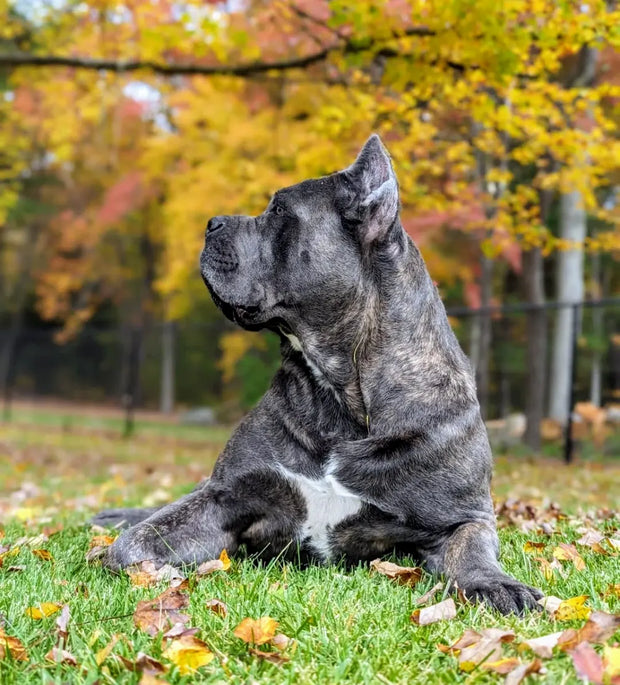
The Mastiff — often called the English Mastiff or Old English Mastiff to distinguish it from related molosser breeds — is the quintessential gentle giant. Powerful in stature yet calm and affectionate at heart, this is a dog that radiates quiet confidence rather than nervous energy. Mastiffs are devoted family guardians who would much rather be lying at your feet than patrolling a fence line, yet their sheer presence is often enough to make any stranger think twice.
What surprises most first-time owners is how mellow a well-raised Mastiff is indoors. They are not high-energy dogs and they do not need hours of running. Instead, they ask for closeness, routine, and comfort. A Mastiff thrives when it is treated as a true member of the household — included in family life, given a consistent daily rhythm, and provided with surroundings built to accommodate a body that can easily outweigh an adult human.
That same size, however, means there is little margin for error. A behavior that is merely annoying in a small dog can be genuinely difficult to manage in a 200-pound one. Thoughtful early training, careful nutrition, proactive joint care, and supportive equipment are not luxuries with this breed — they are the foundation of a long, comfortable, happy life together.
2. History of the Breed
Few breeds carry as much history as the Mastiff. Dogs of the mastiff type are among the most ancient companions of humankind, with depictions of massive, powerful guardian dogs appearing in the art of Babylon, ancient Egypt, and Greece thousands of years ago. The Romans encountered fierce mastiff-type dogs in Britain and were impressed enough to bring them home, where they appeared in the arena and on the battlefield.
For centuries, these dogs earned their keep as estate guardians, livestock protectors, and wartime companions. English landowners prized the Mastiff as a nighttime guardian — a dog large and brave enough to confront poachers and intruders, yet steady enough to live alongside the family by day. This dual role, formidable protector and gentle housemate, shaped the temperament we recognize today.
The breed nearly disappeared during the upheaval of two world wars, when feeding such enormous dogs became impractical and breeding stock dwindled to a precious few. Dedicated breeders in England and the United States revived the Mastiff in the decades that followed, deliberately emphasizing the calm, stable, affectionate disposition modern families value. Today's Mastiff is the product of that careful work: an old soul with the courage of a guardian and the heart of a companion.
“Beneath that imposing frame is a calm, affectionate family dog — a guardian by instinct and a companion by choice.”
3. Physical Characteristics
There is no mistaking a Mastiff. Everything about the breed communicates substance — the broad head, the deep chest, the heavy bone, and the deliberate, rolling gait of a dog that never needs to rush. Understanding their physical build helps explain why so much of their care revolves around joint support, weight management, and properly sized equipment.
Typical Size and Weight
Mastiffs are among the heaviest dogs in the world. Adult males commonly weigh between 160 and 230 pounds, while females typically range from 120 to 170 pounds. They stand roughly 27 to 30 inches tall at the shoulder, with some males exceeding even that. This is a breed measured not just in height but in mass — and that mass places real, continuous demand on bones, joints, and resting surfaces.
Coat and Color
The Mastiff wears a short, dense, close-lying coat that is refreshingly low maintenance. Recognized colors include fawn, apricot, and brindle, almost always paired with the breed's signature dark mask across the muzzle and around the eyes. The coat offers little insulation, which is worth remembering when it comes to bedding and cold floors.
Distinctive Features
The massive, broad head is the hallmark of the breed, set off by a powerful jaw, pendulous lips, and the loose, expressive skin that forms a furrowed brow. Mastiffs have a deep, well-sprung chest and substantial loose skin around the neck. Their movement is slow and purposeful rather than athletic — a reflection of both their size and their unhurried temperament.

4. Personality Traits
If you had to sum up the Mastiff in a single word, it would be steady. These dogs are gentle, loyal, and protective without being reactive or aggressive. Indoors they are famously calm — content to sprawl across the coolest patch of floor and keep one eye on their people. They form intensely close bonds with their families and often develop a deep attachment to one or two favorite humans.
With those they know, Mastiffs are affectionate and patient, frequently described as wonderful with children when raised together and properly supervised. Their patience is real, but their size is, too — a friendly tail wag or a casual lean can knock over a toddler without any ill intent, so interactions with small children should always be watched.
Toward strangers, the Mastiff is naturally reserved rather than friendly. This is not shyness; it is the discernment of a guardian breed sizing up an unfamiliar situation. Early, positive socialization is what turns that instinct into calm confidence instead of suspicion. A well-socialized Mastiff is a dog that can read a room, accept welcome guests on your cue, and remain quietly watchful the rest of the time.
- Temperament: calm, dignified, and affectionate with family.
- Protective instinct: strong but measured — presence over aggression.
- Sociability: reserved with strangers; devoted to their household.
- Sensitivity: surprisingly tender-hearted and responsive to your mood.
5. Care Requirements
Caring for a Mastiff is less about high activity and more about consistency, comfort, and prevention. Get the daily fundamentals right — sensible exercise, simple grooming, careful feeding — and much of the rest falls into place.
Exercise Needs
Despite their size, Mastiffs have modest exercise requirements. Two gentle outings a day — roughly 30 to 45 minutes total of low-impact walking or light play — is enough to keep an adult fit and mentally satisfied. What they do not need is repetitive high-impact activity. Long runs, jumping from heights, and hard play on slick floors put unnecessary stress on developing or aging joints, and should be avoided especially during the long puppyhood of a giant breed. A reliable, comfortable walking setup matters here: a well-fitted harness and a strong leash give you secure, low-strain control of a dog this powerful. Browse durable, American-made options in the LibertyPaw Collars, Harnesses & Leashes collection.
Grooming Needs
The short Mastiff coat is easy to live with, but “low maintenance” is not the same as “no maintenance.” A weekly once-over with a quality comb or grooming tool removes loose hair, distributes natural skin oils, and gives you a chance to check for lumps, hot spots, or skin irritation. Mastiffs are also notable droolers, and their facial folds and jowls should be wiped clean regularly to prevent moisture and bacteria from building up in the wrinkles. Round out the routine with regular nail trims, ear checks, and consistent dental care. A sturdy grooming tool makes weekly sessions fast and comfortable — see the full lineup of LibertyPaw grooming tools.

LibertyPaw Grooming Pick
Super Groom 2 Comb
Even with a short coat, Mastiffs shed steadily year-round. This sturdy USA-made comb pulls loose hair efficiently while staying gentle on sensitive skin, turning weekly grooming into a quick, manageable session for such a large dog.
Upgrade Your Grooming RoutineDietary Considerations
Nutrition is one of the most important levers you have with a Mastiff, and it starts in puppyhood. Giant-breed puppies should be fed a diet formulated specifically for large-breed growth, which controls the rate of development to protect forming joints. Growing too fast is a genuine risk for these dogs and is linked to orthopedic problems later in life.
For adults, portion control is everything. Excess weight is brutal on a Mastiff's hips, elbows, spine, and heart, and even a few extra pounds can accelerate joint wear. Many owners feed measured meals on a schedule rather than free-feeding, and work closely with their veterinarian to adjust calories across the dog's life stages. Because deep-chested giants are at elevated risk of bloat, feeding smaller meals, discouraging gulping, and avoiding heavy activity right around mealtimes are smart everyday habits.
6. Health and Lifespan
The hardest truth about giant breeds is that their lifespans are short. Mastiffs typically live around 6 to 10 years, and helping a Mastiff age comfortably is one of the central tasks of ownership. Knowing the common health concerns lets you stay ahead of them with preventive care.
- Hip and elbow dysplasia: common in large and giant breeds; managed through healthy weight, joint support, and avoiding high-impact strain.
- Bloat (gastric dilatation-volvulus): a life-threatening emergency in deep-chested dogs; learn the warning signs and discuss prevention with your vet.
- Heart conditions: certain cardiac issues appear in the breed and are why routine veterinary checkups matter.
- Joint degeneration and arthritis: nearly universal in aging giants; supportive bedding and proactive care make a real difference.
The throughline for all of these is prevention. Keep your Mastiff lean, feed for slow and steady growth in puppyhood, keep up with veterinary screening, and protect the joints early rather than waiting for problems to appear. Joint support is a conversation worth having with your veterinarian well before your dog shows stiffness — many owners introduce a quality glucosamine and chondroitin supplement under veterinary guidance to help support mobility and comfort in a breed so prone to joint stress.
“With a giant breed, comfort is not a luxury — supportive bedding and proactive joint care are part of basic, daily health.”
7. Training and Socialization
Training a Mastiff is non-negotiable, and the reason is simple math: an untrained 200-pound dog is genuinely difficult to manage, while a trained one is a joy. The good news is that Mastiffs are intelligent and eager to please the people they love. They are also sensitive, which means harsh corrections backfire — this breed responds far better to calm, consistent, positive reinforcement than to intimidation.
Start early and start small. A Mastiff puppy is easy to move and shape; a Mastiff adult is not. Prioritize the fundamentals that keep a giant dog safe and welcome in the world: polite leash manners, a rock-solid “sit” and “stay,” controlled greetings so they don't jump or lean on people, and a reliable recall. Keep training sessions short, upbeat, and rewarding, and weave them into daily life rather than saving them for a special hour.
Socialization deserves equal attention. Because Mastiffs are naturally wary of strangers, deliberately and positively exposing a young Mastiff to new people, friendly dogs, sounds, surfaces, and situations is what builds a confident, well-adjusted adult. A leather training leash and a treat pouch make positive-reinforcement sessions smoother and more consistent — explore durable, American-made LibertyPaw leashes and leads built to handle a strong, heavy dog without giving out.

8. Ideal Home Environment
Mastiffs do best in homes that have room for them to stretch out, settle, and move without obstacle courses. That said, “room” is more about comfortable indoor space than acreage — because they are low-energy and deeply people-oriented, Mastiffs are often happier in a modest home with their family nearby than alone in a big yard. What they truly need is to be included.
Because a Mastiff spends much of the day resting, the quality of those resting spots matters enormously. Provide multiple supportive places to lie down throughout the home so your dog isn't forced onto hard, cold floors that offer no joint protection. Traction underfoot helps, too — rugs or runners on slick floors make it easier and safer for a heavy dog to rise and settle. Climate is a final consideration: with their short coats and substantial mass, Mastiffs are sensitive to heat and need shade, cool surfaces, and fresh water, while in cold weather they appreciate warm, cushioned bedding away from drafts.
Mastiffs can do well with respectful children and other pets when introduced thoughtfully and given proper supervision. The main caution is always the same: their size means even gentle, friendly behavior needs managing around the very young or very small.
9. Best Beds and Toys for Mastiffs
For a breed this large, gear isn't decoration — it's daily quality of life. Two categories matter most: where your Mastiff sleeps, and what it chews and plays with. Getting both right protects their joints and keeps a powerful dog safely entertained.
The Best Dog Bed for a Mastiff
With their immense weight, Mastiffs place constant pressure on their joints and pressure points while resting, and they rest a lot. A properly designed bed isn't optional for this breed — it's essential for daily comfort and long-term mobility. A large, structured, orthopedic-style bed distributes weight evenly and helps prevent the pressure sores and calluses that can form on elbows, hips, and shoulders when a heavy dog lies on hard surfaces.
The right bed also has to be big enough. A Mastiff needs to fully stretch out, not curl onto a too-small cushion, so size up generously. Because their short coat offers little insulation against hard or cold floors, thick, supportive cushioning helps them rest more comfortably and rise more easily. For senior Mastiffs — or any dog already managing arthritis — high-quality orthopedic support can meaningfully reduce stiffness and improve quality of life. In this sense, a great bed is preventive care as much as it is a comfort.

LibertyPaw Bed Pick
Dog Bed Rectangle Armor™
Built for giant breeds. It distributes immense weight evenly, helps prevent pressure sores on hips and elbows, and provides the structured, durable support a Mastiff needs for daily comfort and easier rising — all in a tough, American-made build.
Shop This Bed for Mastiff ComfortPrefer to compare options first? Explore the full range of supportive surfaces in the American-Made Dog Beds & Pads collection.
The Best Toys for a Mastiff
Mastiffs are not hyperactive players, but they do enjoy a good chew and the occasional gentle game of tug or fetch — and with jaws this powerful, durability and proper sizing are everything. The right toy is tough enough to stand up to serious pressure, large enough that it can't become a choking hazard, and satisfying enough to give your dog a healthy outlet. Cheap, flimsy toys are not just a waste of money with this breed; they're a safety risk. Here are two LibertyPaw picks built for big, strong dogs:

Toy Pick #1
Firefighter Firehose Tug Toy
Built tough for large, strong dogs from genuine firehose material, this tug toy is ideal for controlled tug-of-war and interactive bonding without falling apart under a Mastiff's pressure.
Get the Firefighter Tug Toy
Toy Pick #2
RECON Camo Bone Chew Toy
This heavy-duty chew and fetch toy gives Mastiffs a safe, satisfying outlet for their natural urge to chew, standing up to strong jaws and repeated use far better than ordinary toys.
Shop This Toy for MastiffsWant more USA-made options? Browse the full American-Made Pet Toys collection.


10. Adoption and Breeder Tips
Bringing home a Mastiff is a decade-long commitment to a giant dog, so the source matters. If you go through a breeder, look for one who prioritizes health testing — hips, elbows, and heart in particular — and who breeds for stable, sound temperament rather than just extreme size. A responsible breeder will happily show you health clearances, let you meet the puppy's parents, and ask you plenty of questions in return. Be cautious of anyone producing oversized “giant” Mastiffs at the expense of health, or selling puppies without any documentation.
Adoption is a wonderful path, too. Breed-specific Mastiff rescues regularly have wonderful dogs in need of experienced homes, often surrendered through no fault of their own when families underestimate the commitment. A rescue can be an ideal match for an owner who is prepared for a giant breed and wants to give a deserving dog a second chance. Whichever route you choose, the priorities are the same: prioritize health and temperament, start training and socialization early, and make sure your home and budget are ready for the realities — food, veterinary care, and gear — of life with a gentle giant.
- Choose breeders who health-test for hips, elbows, and heart and breed for temperament.
- Meet the parents and review health clearances before committing.
- Consider reputable Mastiff-specific rescues for an adult dog.
- Budget realistically for food, vet care, and giant-breed gear.
- Begin training and socialization the day your Mastiff comes home.
11. Gear Up for Your Mastiff
A Mastiff gives you years of calm, loyal devotion — and in return, the breed asks for thoughtful support built to its scale. The right equipment isn't about extravagance; it's about protecting the joints, comfort, and safety of a dog whose size leaves little room for shortcuts. A supportive orthopedic bed guards aging hips and elbows, a strong harness and leash give you secure control on walks, durable toys keep powerful jaws safely occupied, and a quality grooming tool keeps that short coat and those wrinkles healthy. From giant-breed beds and tug toys to grooming combs, LibertyPaw makes durable, American-made gear designed for the real needs of large, powerful dogs like the Mastiff.
Support Your Gentle Giant
From orthopedic beds built for giant breeds to firehose tug toys and grooming combs, LibertyPaw has USA-made gear designed to meet the needs of large, powerful dogs like the Mastiff.
Free shipping on qualifying orders • 30-day happiness guarantee • 2% donated to K9s For Warriors • shop@libertypaw.com
Toy Safety Disclaimer
Always supervise your dog during playtime and choose toys appropriate for your dog’s size, age, strength, chewing habits, and style of play. Inspect toys regularly for wear, loose parts, tears, cracks, or other damage, and discontinue use if a toy becomes damaged or presents a potential choking, ingestion, or injury hazard.
No dog toy should be considered indestructible. The safety and longevity of any toy depend on the individual dog’s chewing strength, behavior, manner of play, and continued supervision.
Dog Bed & Comfort Product Disclaimer
Choose a bed or comfort product appropriate for your dog’s size, weight, mobility, behavior, and individual needs. Inspect beds and related products regularly for damage, exposed filling, loose components, deterioration, or other conditions that could create a safety hazard.
Dog beds, including products described as orthopedic or supportive, are intended to provide comfort and support. They should not be considered medical devices and are not substitutes for veterinary diagnosis, treatment, rehabilitation, or professional medical advice.
If your dog experiences persistent pain, difficulty standing, mobility problems, changes in sleeping behavior, or other health concerns, consult a licensed veterinarian.
Grooming Product Disclaimer
Use grooming tools and products only as directed and select products appropriate for your dog’s coat type, skin condition, size, age, and individual sensitivities.
Use grooming tools carefully and avoid excessive pressure, pulling, repeated brushing over irritated areas, or use on broken or inflamed skin. Stop using a grooming product or tool if your dog experiences irritation, discomfort, redness, swelling, unusual sensitivity, or another adverse reaction.
Seek guidance from a veterinarian or qualified professional groomer when dealing with severe matting, persistent skin problems, wounds, unusual coat loss, or other conditions that may require professional attention.
Disclaimer
This blog is intended for general informational and educational purposes only and does not replace professional veterinary advice, diagnosis, treatment, or individualized guidance. Every dog is unique, and individual needs may vary based on age, breed, size, health status, activity level, behavior, environment, and individual sensitivities.
Information regarding pet care, nutrition, training, grooming, supplements, toys, beds, accessories, or other pet products should not be interpreted as a guarantee of safety, suitability, performance, durability, or specific health outcomes for every dog. Product selection, use, and results may vary by individual animal.
Always follow applicable product directions, warnings, care instructions, and recommended usage guidelines. Consult a licensed veterinarian or qualified canine professional before making significant changes to your dog’s diet, supplementation, exercise routine, grooming regimen, health care, or other practices that may affect your dog’s health or wellbeing.


0 comments