
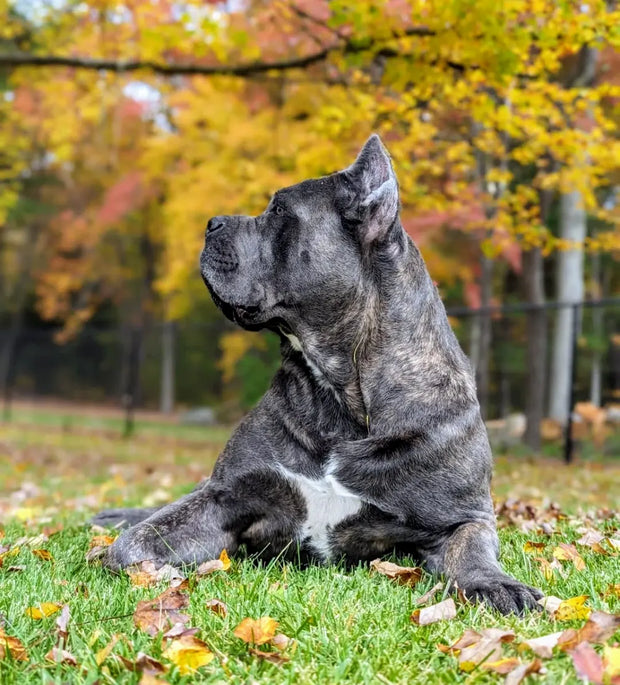







Ultimate Vizsla Guide: Traits, Care, Training & Health Tips
Athletic, affectionate, and famously glued to your side — the Hungarian Vizsla is a sleek golden-rust sporting dog that pours every ounce of its energy and heart into the people it loves.


Few dogs love their people as completely as the Vizsla. This sleek, golden-rust sporting breed from Hungary was built to work all day in the field and then curl up against you on the couch all evening — and it takes both halves of that job very seriously. Affectionate, athletic, sensitive, and endlessly devoted, the Vizsla has earned its nickname as the ultimate "velcro dog."
That devotion is the breed's greatest gift and its biggest demand. A Vizsla does not just want company; it needs it, along with serious daily exercise and mental work. In an active, people-centered home, the Vizsla is a joyful, elegant, deeply bonded companion. Left alone, under-exercised, or treated as a backyard dog, it can become anxious and unhappy fast. Understanding that trade-off is the key to loving this remarkable breed.
1. Introduction to the Breed
The Vizsla is a medium-to-large sporting breed celebrated for its versatility, elegance, and intensely close bond with its owner. Often described as sensitive and intuitive, Vizslas do best when treated as true companions rather than independent outdoor dogs. They excel in active households that enjoy running, hiking, training, dog sports, or hunting — anywhere they can move their bodies and work alongside their person.
A well-raised Vizsla is affectionate, biddable, athletic, and a genuine joy to train. But honesty matters. This breed needs a great deal of exercise and companionship, and many individuals struggle with separation anxiety. A bored or lonely Vizsla may bark, pace, chew, or become destructive. The Vizsla is commonly described as:
- Deeply affectionate and people-oriented
- High-energy and athletic
- Intelligent and eager to please
- Sensitive to tone and emotion
- Loyal to the point of being a "velcro dog"
- Alert and lightly protective
- Driven by hunting and retrieving instincts
- Prone to separation anxiety
- Low-shedding with an easy-care coat
- Happiest with a job to do
"Vizslas form intense bonds with their families and often prefer constant companionship — earning their nickname as the ultimate 'velcro dog.'"
2. History of the Breed
The Vizsla's roots reach back over a thousand years to the Magyar tribes who settled the plains of what is now Hungary. Depicted in centuries-old etchings alongside hunters and falconers, the breed was developed as a versatile gundog — fast and tireless enough to range across open country, yet biddable enough to point and retrieve game in close partnership with its handler. That dual role as both a pointer and a retriever shaped the affectionate, work-with-you temperament the breed still has today.
Prized by Hungarian nobility and sportsmen, the Vizsla nearly disappeared more than once — surviving wars, shifting borders, and a perilously small population after World War II. Devoted breeders preserved the line, and Vizslas were brought to the United States in the mid-20th century, earning American Kennel Club recognition in 1960. Since then the breed has grown steadily in popularity for both field work and family companionship.
Understanding this heritage explains the modern Vizsla. It was bred to work in constant, close cooperation with people — never as a kennel dog or a solitary guardian. That is exactly why the breed bonds so intensely, craves inclusion in everything, and brings such drive, stamina, and focus to whatever its family is doing. A Vizsla without exercise and companionship is a working partner with no work and no partner, which is rarely a happy arrangement.
3. Physical Characteristics
The Vizsla is a lean, elegant, athletic sporting dog built for speed and all-day endurance. Everything about the breed is clean and purposeful: a light, racy frame, a deep chest, and a smooth, ground-covering gait that makes covering miles look effortless.
Typical Size and Weight
Males typically stand 22–24 inches at the shoulder and weigh about 55–65 pounds; females usually stand 21–23 inches and weigh about 44–55 pounds. The build should be lean and muscular, never heavy or coarse. Because the Vizsla is an athletic, fast-growing breed, keeping it at a trim, fit weight protects its joints and supports the active life it craves.
Coat and Color
The Vizsla wears a short, smooth, single coat that lies close to the body in a distinctive golden-rust color. With no undercoat, the breed sheds only lightly and is famously low-maintenance to groom — but that thin coat also means Vizslas feel the cold and hard surfaces, and they are not built to live or sleep outdoors.
Distinctive Features
Long, silky, thin ears that frame the face, warm amber eyes that often blend with the coat, and a self-colored nose give the Vizsla its soft, expressive look. The overall impression is one of refinement and athletic readiness — a dog that looks elegant standing still and poetry in motion when it runs.

Body condition is worth watching closely in such an athletic breed. A healthy Vizsla should have a visible waist, easily felt ribs, firm muscle, and a smooth, tireless stride. Lean and fit is always the goal.
4. Personality Traits
Vizslas are affectionate, loyal, and remarkably sensitive to human emotion. They form intense bonds with their families and genuinely prefer constant companionship — following you from room to room, leaning into your legs, and inserting themselves into every activity. This is the heart of their "velcro dog" reputation, and it is both their greatest charm and their biggest challenge. Common Vizsla personality traits include:
- Devoted and deeply affectionate
- High energy and stamina
- Very intelligent and trainable
- Sensitive — responds poorly to harsh handling
- Eager to please and food-motivated
- Alert and lightly protective
- Strong hunting and retrieving drive
- Prone to separation anxiety
- Can be mouthy or "leany" when excited
- Playful and affectionate well into adulthood
Separation anxiety is the trait to plan for. Because the Vizsla bonds so tightly, many individuals become genuinely distressed when left alone for long stretches, which can lead to barking, pacing, house-soiling, or destructive chewing. Crate training, gradual alone-time conditioning, plenty of exercise, and enrichment all help — but this is a breed best suited to homes where someone is around for much of the day, or where the dog can come along.
Vizslas are typically affectionate and playful with children and sociable with other dogs, especially when well socialized. Their hunting heritage gives them a real prey drive, so small pets require management and a secure recall. Because they are so sensitive, harsh corrections backfire badly — this is a breed that thrives on encouragement, patience, and partnership.
5. Care Requirements
Vizslas are demanding dogs to care for — not because of their coat, but because of their energy, intelligence, and need for companionship. They require substantial daily exercise, mental stimulation, training, and near-constant inclusion in family life.
Exercise Needs
This is a high-energy breed that needs at least 75–90 minutes of vigorous daily exercise, and many Vizslas want more. Running, hiking, jogging, fetch, swimming, agility, and field work all suit the breed beautifully. A Vizsla that does not get enough physical and mental work will almost always find a less desirable outlet for that energy.
Because Vizslas are fast, athletic, and driven by a strong nose and prey drive, dependable walking gear is essential — a Vizsla that catches a scent can be gone in seconds. We recommend a well-fitted harness and a strong leash for every run and hike, and a securely fenced area for off-leash play. Outfit your dog with a sturdy American-made harness, collar, and leash built for athletic dogs, and build conditioning gradually in growing puppies to protect developing joints.
Mental Stimulation
A tired body is not enough for this clever breed; the Vizsla also needs a tired mind. Scent games, food puzzles, short reward-based training sessions, trick training, and retrieve work all help satisfy that busy intellect — and because the breed bonds so closely with people, training games you play together do double duty, burning mental energy while deepening the relationship. Mental enrichment is also one of the best tools for easing separation anxiety.
Grooming Needs
Grooming is one of the easiest parts of Vizsla ownership. The short, single coat needs only a quick weekly once-over to remove the light loose hair and keep the coat glossy — a rubber curry or grooming mitt is plenty, and pairing it with a gentle made-in-USA dog comb lets you check the skin and catch any irritation early (Vizslas are prone to allergies). Browse the full range of USA-made grooming tools to keep that golden-rust coat shining.

Grooming Pick
Super Groom 2 Pet Comb
A smooth, short coat benefits from a grooming tool that removes loose hair without irritating sensitive skin. A quality comb keeps shedding manageable while maintaining the Vizsla's sleek, glossy appearance.
Shop Grooming Tool for VizslasDietary Considerations
Vizslas thrive on a high-quality, protein-rich diet that supports lean muscle and endurance, with portion control to maintain that athletic build. Because the Vizsla is a deep-chested breed at some risk of bloat (gastric dilatation-volvulus), feeding strategy matters: split the daily ration into two or more smaller meals, avoid vigorous exercise for about an hour before and after eating, and ask your veterinarian about slow-feeder bowls. Fresh water should always be available, especially around exercise.
6. Health and Lifespan
The Vizsla is generally a healthy, athletic breed with a typical life expectancy of about 12–14 years. Responsible breeding, preventive veterinary care, a lean body condition, and sensible conditioning all support a long, comfortable life. Still, prospective owners should know the conditions seen in the breed:
- Hip dysplasia
- Epilepsy / seizure disorders
- Allergies and atopic skin disease
- Bloat / gastric dilatation-volvulus (GDV)
- Hypothyroidism
- Eye conditions such as entropion and progressive retinal atrophy
- Certain cancers, including lymphoma and mast cell tumors
- Ear infections (long, floppy ears)
- Dental disease
- Sensitivity to cold due to the thin coat
Bloat is the most urgent everyday concern in deep-chested breeds, so learn the warning signs — a distended abdomen, unproductive retching, restlessness, and drooling — and seek immediate veterinary care if they appear. Allergies and ear infections are the most common day-to-day issues; routine ear cleaning and early attention to itchy skin keep them manageable. Responsible breeders screen breeding dogs for hip, eye, and thyroid health, and prospective owners should ask to see those clearances.
Joint health is worth protecting in such an athletic dog. Years of running, jumping, and field work place real demand on the hips, shoulders, and spine. Keeping your Vizsla lean is the single most powerful step, and for active adults and aging dogs many owners add a daily joint-support chew.
Contact your veterinarian promptly if you notice signs of bloat, seizure activity, limping or stiffness, persistent itching or recurrent ear infections, changes in vision, unexplained lumps, low energy, or any sudden change in appetite or behavior. Vizslas are athletic and stoic and may push through discomfort, so attentive observation is part of good ownership.
7. Training and Socialization
Vizslas are intelligent and eager to please, which makes them highly trainable — but they are also sensitive and soft, so training must be positive, gentle, and consistent. Harsh corrections crush a Vizsla's spirit and backfire, while short, upbeat, reward-based sessions bring out the breed's best. Start early and prioritize:
- Name recognition and focus
- Sit, down, stay
- A strong, heavily rewarded recall — vital for a scent-driven dog
- "Leave it" and "drop it"
- Loose-leash walking on a harness
- Crate comfort and gradual alone-time conditioning
- Calm greetings and impulse control (curb jumping and leaning)
- Handling tolerance for grooming, ears, nails, and vet visits
Recall deserves special attention. A Vizsla locked onto a scent or a fleeing animal can cover ground astonishingly fast, so build a rock-solid, heavily rewarded recall and practice it safely on a long-line before trusting off-leash freedom. A quality American-made leash and long-line lets you train recall and steadiness without risking a bolt. Pair that with crate training, which gives an anxiety-prone Vizsla a safe den and a foundation for calm time alone.
Socialization is the other pillar. Expose your Vizsla puppy — calmly and positively — to a wide variety of people, friendly dogs, sounds, surfaces, and environments during its formative months, and keep it up into adulthood. The goal is a confident, neutral dog that takes the world in stride. For separation anxiety or strong prey drive, work with a qualified positive-reinforcement trainer early; these challenges are far easier to prevent than to fix.
8. Ideal Home Environment
Vizslas do best in active homes where they are included in daily life. They thrive with owners who love the outdoors — runners, hikers, hunters, and active families — and who can offer companionship, structure, and a securely fenced yard. What matters most is daily exercise, mental engagement, secure containment, and rarely being left alone for long stretches.
The best Vizsla homes usually include:
- An active owner who enjoys daily exercise and outdoor adventure
- Someone home for much of the day, or a dog that comes along
- Secure fencing (Vizslas can jump and will chase a scent)
- Consistent, gentle, positive training
- Crate training to support calm and prevent anxiety
- A warm, comfortable indoor place to rest (never an outdoor dog)
- Realistic expectations about prey drive and off-leash reliability
This breed is generally not a good fit for owners away from home for long workdays, sedentary households, or anyone hoping for an independent, low-maintenance pet. A Vizsla left isolated and under-exercised is prone to anxiety, barking, and destruction. But for the right active, engaged home, the Vizsla is one of the most affectionate and rewarding companions a person can have. Exercise hard, train kindly, stay close — that is the rhythm this breed needs.
9. Best Beds and Toys for Vizslas
Vizslas are lean, athletic dogs that pair intense activity with a real need for warm, supportive rest. The right gear supports both: cushioned bedding that protects joints and insulates a thin-coated dog, and tough, engaging toys that channel the breed's energy and brilliant mind.
Best Dog Bed for a Vizsla
Because Vizslas are lean with minimal natural padding and a short, single coat, a supportive bed is especially important for both comfort and warmth. A well-cushioned bed with a stable base distributes weight evenly and protects pressure points like the hips and shoulders after long runs and training sessions, while insulating against cool or hard floors — something this thin-coated, heat-seeking breed genuinely appreciates.
A defined bed also doubles as a training and anxiety aid: teaching a Vizsla to settle on its own bed gives this velcro breed a clear "place" to relax and supports a calm off-switch. For aging Vizslas, supportive cushioning reduces stiffness and encourages deeper rest. Browse the full lineup of American-made dog beds and pads to find the right size and firmness.

Bed Pick
Furvana Round Base Dog Bed
Cushioned support designed for lean, athletic breeds like the Vizsla that need proper recovery rest — and warm insulation from cool floors — after intense runs and training sessions. Built in the USA for lasting comfort.
Find the Right Bed for Your VizslaBest Toys for a Vizsla
Vizslas love toys that burn energy, encourage retrieving, and turn play into time with their favorite person. Durable tug and fetch toys make excellent structured outlets that build engagement and recall, while sturdy chew toys give a satisfying solo option. Because this breed is so driven, rotating toys keeps novelty — and engagement — high.


Toy Pick #1
RECON Camo Firehose Tug Toy
Rugged firehose construction makes this tug ideal for a strong, retrieve-driven Vizsla — perfect for structured tug, fetch, and recall games that channel the breed's energy into time with you. Made in the USA.
Get the RECON Camo Tug
Toy Pick #2
Firefighter Firehose Tug Toy
Another durable tug built for interactive play and training rewards, helping Vizslas channel their energy in a controlled, engaging way that strengthens your bond.
Get the Firefighter Tug ToyBurn the Energy
Structured tug, fetch, and retrieve sessions give an athletic Vizsla a satisfying physical outlet — build in obedience and recall, and end on a win.
Engage the Mind
Scent games and puzzle or chew toys tap into the breed's hunting heritage and intelligence, easing separation anxiety and preventing boredom-driven mischief.
Want more USA-made options? Browse the full toy collection: LibertyPaw American-Made Pet Toys.
Disclaimer: Always supervise your dog during playtime and inspect toys regularly for wear. Discard damaged toys to prevent ingestion hazards. The longevity of any toy depends on the chewing style and strength of the individual dog.
10. Adoption and Breeder Tips
Choosing a Vizsla is a commitment to a high-energy, deeply attached dog for 12–14 years or more, so take your time finding the right source. A well-bred, well-socialized Vizsla from a responsible breeder — or a thoughtfully matched rescue dog — sets the stage for a wonderful partnership.
When working with a breeder, look for someone who prioritizes temperament, early socialization, and documented health testing. Ask about:
- Hip evaluations
- Eye examinations
- Thyroid testing
- Any family history of epilepsy or cancer
- Parent temperament and the chance to meet the dam
- How the puppies are raised and socialized
- Health guarantees and lifetime breeder support
- A willingness to take a dog back if your circumstances change
A responsible breeder will ask you just as many questions in return — about your activity level, your schedule, and your understanding of the breed's energy and attachment. That scrutiny is a good sign. Be cautious of anyone who always has puppies available, who avoids health testing, or who downplays the breed's exercise needs and separation anxiety.
Adoption is a wonderful path, too. Vizsla-specific rescues and shelters often have dogs of all ages looking for the right home, and many are surrendered precisely because their first owners underestimated the breed's energy and need for companionship. Before adopting, ask what the dog is like with children, other dogs, and small animals; whether it has any bite history; how it handles being left alone; what training it knows; and what its energy and prey drive are like. A newly adopted Vizsla benefits from a calm decompression period, a consistent routine, secure fencing, crate training, and patient, positive guidance.
However you bring one home, the Vizsla rewards the right owner with extraordinary devotion. Athletic, elegant, sensitive, and bonded for life, this golden Hungarian companion offers years of adventure, affection, and partnership. Exercise it well, train it kindly, keep it close — and you will have a velcro shadow who thinks the sun rises and sets on you.
Gear Up for Your Vizsla
Active dogs deserve durable gear. Explore LibertyPaw's USA-made toys, grooming tools, supportive dog beds, and secure walking gear — all designed to support high-drive, athletic breeds like the Vizsla.
Shop Grooming Tools • Shop Collars, Harnesses & Leashes
Free shipping on qualifying orders • 30-day happiness guarantee • 2% donated to K9s For Warriors • shop@libertypaw.com
Want to explore more breeds? Visit the full hub here: Top 50 Purebred Dog Guide.
Disclaimer: This blog is intended for general informational and educational purposes only and does not replace professional veterinary advice, diagnosis, or treatment. Every dog is unique, and individual needs may vary based on age, breed, health status, activity level, and environment. Always consult a licensed veterinarian or qualified canine professional before making changes to your dog's diet, supplementation, exercise routine, grooming regimen, or health care plan.


0 comments