


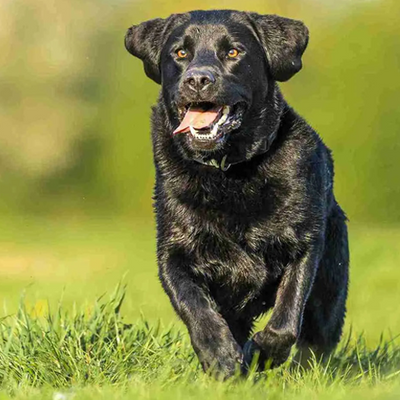


The Brittany Companion Guide
Quick take: Brittanys are energetic, intelligent, and people-focused sporting dogs known for their enthusiasm, athleticism, and affectionate nature. They thrive in active homes where training, play, and mental engagement are part of everyday life.
Want to explore more breeds? Visit the full hub here: Top 50 Purebred Dog Guide.
1. Introduction to the Breed
The Brittany (often called the Brittany Spaniel) is a lively, medium-sized bird dog prized for its speed, agility, and eagerness to work alongside humans. Friendly and highly trainable, Brittanys make excellent companions for active families, runners, hikers, and hunters alike.
2. History of the Breed
Originating in the Brittany region of France, this breed was developed as an all-purpose gun dog capable of pointing and retrieving. Brittanys gained popularity for their versatility in the field and cooperative working style. They were recognized by the AKC in 1934 and have since become one of the most popular sporting breeds in the United States.
3. Physical Characteristics
Typical Size and Weight
Brittanys are medium-sized dogs, typically standing 17.5–20.5 inches tall and weighing around 30–40 pounds. Their athletic build supports endurance, speed, and agility.
Coat and Color
Their coat is flat or wavy, dense but not heavy, and relatively easy to maintain. Common colors include orange and white or liver and white, often with ticking or roan patterns.
Distinctive Features
Brittanys have expressive eyes, a compact body, and a lively, alert posture. Many are born with naturally short tails or no tail at all, adding to their distinctive silhouette.
4. Personality Traits
Brittanys are enthusiastic, affectionate, and highly people-oriented. They form strong bonds with their families and often want to be involved in everything happening around them. Because of their sensitivity and intelligence, they respond best to positive reinforcement training and consistent routines.
5. Care Requirements
Exercise Needs
Brittanys are high-energy dogs that need at least 60–90 minutes of daily exercise. Long walks, trail runs, fetch games, training sessions, and field-style activities are all excellent outlets. Without enough activity, they may become restless or destructive.
Grooming Needs
Their medium-length coat requires weekly brushing to remove loose hair and prevent tangles, especially around the ears and feathering. Regular nail trims, ear checks, and dental care help keep them comfortable and healthy.
LibertyPaw Grooming Pick for Brittanys
Brittanys benefit from a versatile grooming tool that can handle light feathering and everyday shedding. A quality comb helps keep the coat tidy, removes debris after outdoor adventures, and makes weekly grooming quick and effective.
Shop Grooming Tool for Brittanys
Prefer browsing? Explore the full grooming lineup here: LibertyPaw Pet Grooming Products
Dietary Considerations
A balanced, high-quality diet supports the Brittany’s active metabolism and lean muscle. Portion control helps maintain ideal weight, especially during off-seasons when activity levels may drop slightly. Fresh water should always be available after exercise.
6. Health and Lifespan
Brittanys typically live around 12–14 years. Potential health concerns include hip dysplasia, epilepsy, and eye conditions. Responsible breeding, regular veterinary care, and maintaining fitness all contribute to long-term health.
7. Training and Socialization
Brittanys are intelligent and eager to please, making them highly trainable. Short, engaging training sessions work best. Early socialization helps them feel comfortable around children, other dogs, and new environments. Because they’re sensitive, harsh training methods should be avoided.
8. Ideal Home Environment
Brittanys thrive in active homes where they can be part of daily routines. A house with a yard is ideal, but they can adapt to apartment living if exercise needs are consistently met. They do best with owners who enjoy spending time outdoors and engaging in regular training or play.
9. The Best Dog Bed for a Brittany
Brittanys are athletic, medium-sized dogs that put a lot of wear on their joints through running, jumping, and quick directional changes. A supportive bed helps them recover after active days and provides a comfortable place to relax.
A well-cushioned, orthopedic-style bed helps distribute weight evenly and reduces pressure on hips and shoulders—especially useful for adult Brittanys who stay active year-round.
Because Brittanys often move between indoor and outdoor activity, a durable bed with easy-to-clean materials is a practical choice for everyday use.
For senior Brittanys, supportive cushioning can help reduce stiffness and make rest more restorative.
Find the Right Bed for Your Brittany
10. What’s the Best Toy for My Brittany?
Brittanys love toys that engage their retrieving instincts, energy, and intelligence. Rotating toys helps prevent boredom and keeps play sessions mentally stimulating.
LibertyPaw Toy Picks for Brittanys
Toy Pick #1: LibertyPaw RECON Camo Bone
A great option for fetch and light chewing, this durable bone suits the Brittany’s active play style and love of carrying toys during outdoor sessions.
Toy Pick #2: LibertyPaw Firefighter Firehose Tug Toy
Perfect for interactive tug and retrieve games, this firehose toy helps burn energy while strengthening the bond between you and your Brittany.
Want more USA-made options? Browse the full toy collection: LibertyPaw American-Made Pet Toys
11. Adoption and Breeder Tips
When choosing a Brittany, look for breeders who perform health testing for hips, eyes, and neurological conditions, and who emphasize early socialization. Breed-specific rescues are also excellent options for adopting an adult Brittany with known temperament and training history.
Disclaimer: This breed guide is intended for general informational purposes only and does not replace professional veterinary advice, diagnosis, or treatment. Every dog is unique, and individual needs may vary based on age, health, activity level, and environment. Always consult a licensed veterinarian or qualified canine professional before making changes to your dog’s diet, exercise routine, grooming regimen, or health care.


0 comments