


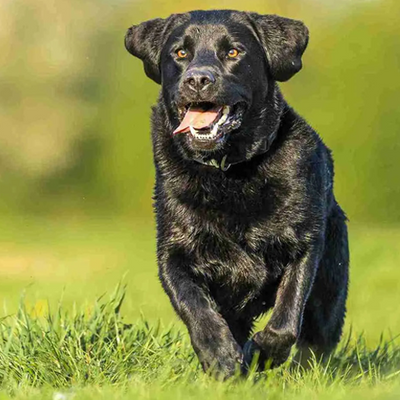


Saluting Service Dogs: The Basics of Canine Etiquette
Service dogs are more than loyal companions—they are highly trained partners who provide safety, independence, and emotional stability for the people who rely on them. For many disabled individuals and veterans, a service dog is not just “a pet,” but essential medical equipment on four paws.
You might see these dogs in grocery stores, airports, restaurants, office buildings, or walking calmly through busy streets. They appear friendly, focused, and sometimes irresistibly adorable. But the way we interact with them matters—a lot.
A casual pat, a whistle, or a quick “Hey, puppy!” might seem harmless. In reality, it can pull a working dog’s attention away from important tasks. Learning how to behave around service dogs is a simple but powerful way to show respect—not only for the dogs, but for the people they serve, including disabled veterans who have already sacrificed so much.

In this guide, we’ll cover the basics of service dog etiquette, explain the legal difference between a service dog and an emotional support animal in clear, simple terms, and share how K9s For Warriors—a charity LibertyPaw proudly supports—is changing lives by rescuing dogs, training them, and pairing them with veterans living with PTSD.
What Is a Service Dog, Really?
Many people use “service dog,” “emotional support animal,” and “therapy dog” interchangeably, but they are not the same—legally or practically.
Service Dogs: Task-Trained Lifelines
Under the Americans with Disabilities Act (ADA), a service dog is a dog that has been individually trained to perform specific tasks for a person with a disability. Those tasks must be directly related to that person’s disability.

Some examples of what service dogs can do include:
- Guiding a person who is blind or visually impaired
- Alerting a person who is deaf or hard of hearing
- Interrupting panic attacks or flashbacks
- Waking a handler from PTSD-related night terrors
- Providing balance or mobility assistance
- Alerting to changes in blood sugar or impending seizures
- Creating space around the handler in crowded environments
The most important concept here is task training. The dog doesn’t just offer comfort—it performs trained, purposeful actions that help keep the handler safe and functional.
Because of this, service dogs are allowed to accompany their handlers in most public places: restaurants, hotels, stores, public transit, and more.
Emotional Support Animals: Comfort Without Legal Access
An emotional support animal (ESA) provides comfort just by being present. While ESAs can be incredibly important to their owners’ mental health, they are not required to be trained to perform specific tasks.
Because they don’t have that task-based training, emotional support animals do not have the same public access rights as service dogs. In most cases, they cannot legally be brought into places where pets are normally not allowed.
Therapy Dogs: Helping Others, Not Just One Handler
A therapy dog is often trained to visit hospitals, schools, or nursing homes to bring comfort to many people. They usually work with a volunteer handler and support groups of strangers rather than one person with a disability.
Therapy dogs also do not have special public access rights under the ADA.
Why Etiquette Around Service Dogs Matters
When you see a cute dog wearing a vest, it’s natural to want to smile, wave, or say hello. But for the person attached to the other end of the leash, that dog may be the difference between a safe day and a dangerous one.

A distracted service dog could:
- Miss a medical alert
- Fail to notice an oncoming hazard
- Lose focus during a critical moment in traffic or a crowd
For a veteran with PTSD, a service dog might be trained to notice changes in breathing, body language, or tension—things you don’t see from the outside. If the dog is focused on you instead, it might miss those cues.
Respectful behavior around service dogs isn’t just “being polite”—it’s part of keeping disabled handlers safe and dignified.
Beginner’s Guide to Service Dog Etiquette
Think of the following as your quick-reference guide for what to do—and what not to do—when you encounter a service dog in public.
1. Don’t Pet Without Permission
Rule number one: never touch a service dog without asking the handler first.

Even if the dog looks relaxed or is lying at their handler’s feet, they may still be “on duty,” monitoring their person and ready to respond. Petting can momentarily break their focus, which could be dangerous.
If you’d like to say hello, ask the handler calmly:
“Is it okay if I pet your dog?”
And be prepared for a polite “no.” The most respectful thing you can do is accept their answer without pushing.
2. Don’t Call, Whistle, or Try to Get the Dog’s Attention
Avoid:
- Whistling
- Clicking your tongue
- Saying “Here, boy!”
- Making kissy noises
- Calling the dog by name if you overhear it
These small actions can all pull the dog’s attention away from their work. If you want to say something, speak to the person, not the dog.
3. Never Offer Food or Treats
Service dogs are often on very specific diets and training routines. Giving them food or treats can:
- Distract them
- Undermine training
- Trigger allergies or stomach issues
No matter how tempting it is, never feed a dog that isn’t yours—especially a working one.
4. Give Them Space to Work
In lines, elevators, or crowded aisles, try to give the team extra room. The dog may need to move around slightly to block people from getting too close, help with balance, or help the handler navigate.
If you have a dog of your own with you, keep your dog close and under control. Do not allow your dog to approach, sniff, or bark at a service dog. A single negative encounter can rattle a working dog’s confidence.
Helpful Tip
If your dog is reactive, it’s okay to calmly say to the handler, “I’m going to move over here so my dog doesn’t bother yours.” Most handlers will appreciate the effort.
5. Talk to the Handler, Not the Dog
Even if the dog seems friendly, resist the urge to talk directly to them. Instead, direct your questions or conversation to the handler. This reinforces that the dog is working and that the human is the one in charge.
6. Don’t Ask Invasive Questions
Some disabilities are visible. Many are not. Service dogs may assist with PTSD, seizures, diabetes, autism, and many other conditions that aren’t obvious.
Avoid asking, “What’s wrong with you?” or “Why do you need a service dog?”
If someone wants to share, they will. Your job is simply to respect their space and their privacy.
7. If a Service Dog Approaches You Alone, Take It Seriously
This is rare, but important. If you see a service dog come to you without a handler and the dog seems intent on getting your attention, it may be seeking help.
Stay calm, don’t try to grab the dog, but follow it at a safe pace. It may lead you to a handler who has fallen, is having a medical emergency, or needs assistance.
How Service Dogs Help Veterans with PTSD
For many veterans, returning home doesn’t mean the battle is over. PTSD, traumatic brain injuries, anxiety, depression, and military sexual trauma can make everyday life overwhelming and isolating.

Service dogs can:
- Interrupt flashbacks and panic attacks
- Wake veterans from night terrors
- Provide comforting deep-pressure therapy
- Help create physical space in crowds
- Encourage routines and daily movement
- Offer constant, nonjudgmental companionship
This support isn’t just emotionally comforting—it can be life-saving. Veterans who once avoided public places, couldn’t sleep through the night, or felt constantly on edge often regain confidence and stability with the help of a trained service dog.
K9s For Warriors: Rescuing Dogs, Restoring Lives
LibertyPaw proudly donates to K9s For Warriors, an organization dedicated to ending veteran suicide through the healing power of service dogs.
Rescuing Dogs from Shelters
Many of the dogs in their program are rescued from shelters—often from uncertain or high-risk situations. Instead of being overlooked or euthanized, these dogs are given the chance to become highly trained partners for veterans in need.
Intensive Training with a Purpose
The dogs undergo months of training focused on helping veterans with PTSD, traumatic brain injury, and military sexual trauma. Their training often includes:
- Recognizing signs of anxiety or distress
- Interrupting harmful behavior or panic
- Creating physical space in crowded environments
- Providing grounding and comfort during triggers
Pairing Dogs with Veterans—At No Cost
Veterans who qualify are paired with a fully trained service dog and receive support, education, and follow-up care. The dog, training, equipment, and pairing process are all provided at no cost to the veteran.
Real, Measurable Impact
Graduates of K9s For Warriors often report:
- Decreased symptoms of PTSD
- Fewer medications
- Improved sleep
- Stronger relationships with family and friends
- Renewed sense of purpose and independence
When you support LibertyPaw, you’re also helping support organizations like K9s For Warriors that are transforming two lives at once: a rescued dog and a veteran searching for hope.
How You Can Honor Service Dogs and Their Handlers
You don’t have to be a trainer, handler, or veteran to make a positive impact. You can:
- Practice good service dog etiquette in public
- Teach kids not to pet working dogs without permission
- Share educational posts about service dog etiquette
- Support veteran-focused charities like K9s For Warriors
- Choose brands, like LibertyPaw, that give back
Each small act of respect contributes to a culture that honors both our veterans and the dogs who protect and support them.
A Final Salute to Working Dogs
Service dogs stand quietly at their handler’s side, often unnoticed, yet carrying immense responsibility. They guide, protect, interrupt, alert, and comfort—every single day.
By learning basic service dog etiquette and supporting organizations that train and place these incredible animals, we’re doing more than following the rules. We’re recognizing the service and sacrifice of disabled individuals and veterans—and saluting the four-legged heroes who help carry them through.


0 comments