


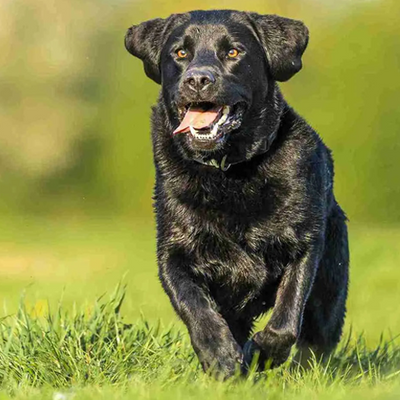


Mastiff Dog Companion Guide
Quick take: Mastiffs are massive, calm, and deeply loyal dogs known for their protective instincts and gentle, affectionate nature with family. As one of the largest dog breeds in the world, they thrive with steady routines, thoughtful training, and supportive gear designed specifically for their size and weight.
Want to explore more breeds? Visit the full hub here: Top 50 Purebred Dog Guide.
1. Introduction to the Breed
The Mastiff is a true gentle giant—powerful in stature yet calm and affectionate at heart. Known for their imposing presence and quiet confidence, Mastiffs are devoted family guardians who prefer being close to their people. While they’re not overly energetic, their size alone means thoughtful care, training, and comfort are essential.
2. History of the Breed
Mastiffs have ancient origins, with records tracing back thousands of years to civilizations that valued their strength and guarding abilities. Used historically in warfare, estate protection, and as guardians of livestock, Mastiffs were bred for size, courage, and loyalty. Over time, selective breeding emphasized their stable temperament, making modern Mastiffs reliable companions and watchful protectors.
3. Physical Characteristics
Typical Size and Weight
Mastiffs are giant dogs. Adult males often weigh between 160–230 pounds, with females typically ranging from 120–170 pounds. They stand around 27–30 inches tall, with a broad, muscular build that requires supportive handling and equipment.
Coat and Color
Their coat is short, dense, and easy to maintain. Common colors include fawn, apricot, and brindle, usually with a distinctive black mask on the face.
Distinctive Features
Mastiffs have a massive head, powerful jaw, deep chest, and loose skin around the neck and face. Their slow, deliberate movement reflects both their size and their calm demeanor.
4. Personality Traits
Mastiffs are gentle, loyal, and protective without being aggressive. They tend to be calm indoors and enjoy lounging near their family members. While reserved with strangers, they’re typically patient and affectionate with children and familiar pets when properly socialized.
5. Care Requirements
Exercise Needs
Mastiffs require moderate daily exercise—usually 30–45 minutes of low-impact activity such as walking or light play. Excessive running or jumping is discouraged, especially during puppyhood, as it can stress developing joints.
Grooming Needs
Their short coat is low maintenance, but weekly brushing helps remove loose hair and keeps skin healthy. Mastiffs may drool, so facial folds and jowls should be wiped regularly. Routine nail trims, ear checks, and dental care are also important.
LibertyPaw Grooming Pick for Mastiffs
Even with a short coat, Mastiffs shed steadily. A sturdy grooming comb helps remove loose hair efficiently while being gentle on sensitive skin—making weekly grooming sessions quick and manageable for such a large dog.
Prefer browsing? Explore the full grooming lineup here: LibertyPaw Pet Grooming Products
Dietary Considerations
Mastiffs benefit from large-breed diets formulated for controlled growth and joint support. Portion control is critical—excess weight puts tremendous strain on hips, elbows, and the heart. Many owners work closely with their veterinarian to adjust nutrition throughout the dog’s life stages.
6. Health and Lifespan
Mastiffs typically live around 6–10 years. Common health concerns include hip and elbow dysplasia, bloat (gastric torsion), heart disease, and joint degeneration. Preventive veterinary care, slow growth during puppyhood, and supportive resting surfaces are key to long-term comfort.
7. Training and Socialization
Early training and socialization are essential for Mastiffs due to their size. They respond best to calm, consistent, positive reinforcement training. Teaching polite leash manners, sit/stay commands, and controlled greetings helps ensure they’re manageable and confident adults.
8. Ideal Home Environment
Mastiffs do best in spacious homes where they can move and rest comfortably. While they don’t need intense exercise, they do need room to stretch out and multiple quiet places to lie down. Because they spend much of the day resting, having proper support throughout the home matters.
9. The Best Dog Bed for a Mastiff
With their immense size and weight, Mastiffs place constant pressure on their joints and pressure points while resting. A properly designed bed isn’t optional—it’s essential for daily comfort and mobility.
A large, structured orthopedic-style bed helps distribute weight evenly and prevents pressure sores from forming on elbows, hips, and shoulders. This support is especially important because Mastiffs spend long periods lying down.
Their short coat offers little insulation against hard or cold floors, so thick cushioning and supportive structure help them rest more comfortably and rise more easily.
For senior Mastiffs, high-quality orthopedic support can significantly improve quality of life and reduce stiffness when standing up or settling down.
Shop This Bed for Mastiff Comfort
10. What’s the Best Toy for My Mastiff?
Mastiffs prefer toys that are durable, appropriately sized, and safe for powerful jaws. While they’re not hyperactive players, they enjoy interactive tug, gentle fetch, and satisfying chew sessions.
LibertyPaw Toy Picks for Mastiffs
Toy Pick #1: LibertyPaw Firefighter Firehose Tug Toy
Built tough for large, strong dogs, this firehose tug toy is ideal for controlled tug sessions and interactive bonding without falling apart under pressure.
Toy Pick #2: LibertyPaw RECON Camo Bone
This heavy-duty chew and fetch toy offers Mastiffs a safe, satisfying outlet for chewing while standing up to strong jaws and repeated use.
Want more USA-made options? Browse the full toy collection: LibertyPaw American-Made Pet Toys
11. Adoption and Breeder Tips
When choosing a Mastiff, work with breeders who prioritize health testing for hips, elbows, and heart conditions, and who emphasize stable temperament. Early training and socialization are critical due to their size. Mastiff rescues are also excellent options for experienced owners prepared to support a giant breed responsibly.
Disclaimer: This breed guide is intended for general informational purposes only and does not replace professional veterinary advice, diagnosis, or treatment. Every dog is unique, and individual needs may vary based on age, health, activity level, and environment. Always consult a licensed veterinarian or qualified canine professional before making changes to your dog’s diet, exercise routine, grooming regimen, or health care.


0 comments